Understanding Carbon Emissions: How Eco-Driving Can Save Money and the Planet


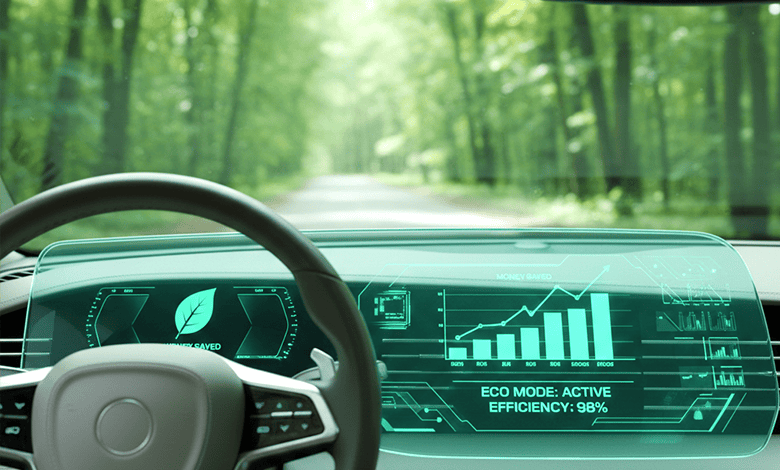
Climate change has ceased to be a concept but has real implications for our weather, agriculture, health, and the stability of our environment at large. The transport industry is a key cause of this international issue. The total CO2 emissions of fuel combustion are almost 24 percent of the total emissions of the world, which is caused by cars, buses, trucks, and especially personal vehicles, which contribute the most. Luckily, any slight modification in the daily driving patterns will help. That is where eco-driving is. Eco-driving is smarter, more efficient, and how to drive your car. It minimizes carbon emissions, conserves fuel, decreases wear and tear, and even makes driving safer. Daily city or long highway journeys, the habit of environmentally friendly driving can save you money as well as the environment.
How Fuel-Efficient Driving is Benefiting the Environment?
In the process of driving in a fuel-efficient manner, your engine will burn less fuel to cover the same distance. This has a direct effect of reducing carbon emissions. International transport studies show that eco-driving can save at least 10 to 25 percent of fuel, which is an enormous saving for the everyday commuter. Less carbon emitted in the atmosphere is the result of less fuel being burned. The less carbon emitted, the better our planet would be. The method helps in encouraging climate targets across the globe and also makes individual transportation affordable.
Top Eco-Driving Tips to Reduce Carbon Emissions
The following are eco-driving ideas that enhance efficiency and sustainability:
1. Accelerate Smoothly
Excessive speed leads to the consumption of more fuel by the engine. Gradual acceleration every time can help save 20 percent of fuel in the city.
2. Maintain a Steady Speed
Cruise control on highways will aid in avoiding unnecessary changes in speed that cause excess fuel consumption.
3. Check Tyres to the Proper Inflation.
Low inflation of tyres makes rolling resistance high, which causes the engine to exert more effort. Proper tyre pressure helps to save 3-5% of fuel and emission levels.
4. Avoid Idling When Not Necessary
An idling engine may consume a maximum of 1 litre of fuel an hour, and this is one of the sources of unnecessary carbon emissions. Switch off the engine when waiting for more.
5. Minimize Unnecessary Weight and Roof Load
Extra load needs additional fuel. Efficiency can be increased by 5-10 percent by removing roof racks or other heavy but unused items.
6. Regular Vehicle Maintenance
Clean air filter, tuning of engines, and oil change at the right time make sure your engine burns the fuel cleanly and efficiently.
7. Plan Routes To Avoid Traffic Congestion
Modern navigation applications will allow you to bypass congested traffic, which is one of the biggest sources of carbon emissions.
8. Use Less Air Conditioning
AC consumption adds as much as 10 percent to the fuel use. It should only be used when required or when changing to lower speed ventilation.
Why Does Eco-Driving Save You Money?
Besides the environmental gains, eco-driving will save you some money straight away every month. By lowering fuel usage:
- Paying less for petrol or diesel.
- Engine parts have extended life.
- Tyres wear out more slowly.
- Savings on maintenance and repair expenses.
As an example, someone who drives daily to travel to work can save thousands of taki annually by practicing eco-driving without having to buy a new car.
Why Should Eco-Driving Be Important in the Future?
Each litre of fuel conserved will prevent approximately 2.3 kg of CO2 emissions into the air. When all drivers adopted green habits in a consistent manner, with only 10 per cent doing so, the amount of carbon emitted in the world would be reduced dramatically. Eco-driving also makes us ready for the long-term transition to cleaner mobility - electric cars, hybrid technology, and a renewable transport system. It is not a fashion statement but an obligation to drive in an environmentally friendly manner. Through awareness of your driving behavior today, you help make the world a better and safer place to live in for the generations yet to come.
Final Thoughts
Eco-driving is an easy but effective means to decrease the amount of carbon emissions, conserve fuel, and enable a more sustainable world. By making only a few conscious adaptations, you can even make all your drives more eco-friendly, saving your money and the environment.
Frequently Asked Questions
1. What is the effect of eco-driving on the reduction of carbon emissions?
Eco-driving reduces fuel consumption by accelerating smoothly, maintaining constant speed, and ensuring proper maintenance of vehicles, leading to reduced emissions of carbon, as well as increased consumption efficiency with reduced carbon emissions.
2. Is it possible to save fuel by eco-driving?
Yes. Efficient driving methods can save you 10-25 percent on fuel, save you money, and lessen the impact of your vehicle on the environment.
3. Are new drivers challenged by eco-driving?
Not at all. Eco-driving is concerned with simple techniques such as slow acceleration, braking early, and keeping tyre pressure, the skills that any driver can master easily.
4. Is there an effect of AC-induced carbon emission?
The high consumption of AC leads to higher fuel consumption, and this increases carbon emissions. Work at a medium level of AC, or use natural ventilation as much as possible.
5. Which is the easiest eco-driving suggestion that can be followed?
Start slow-driving- no road rage, acceleration, or braking. This single habit increases the fuel economy level and reduces unnecessary emissions.