How Regenerative Braking Works in Electric Cars & E-Bikes


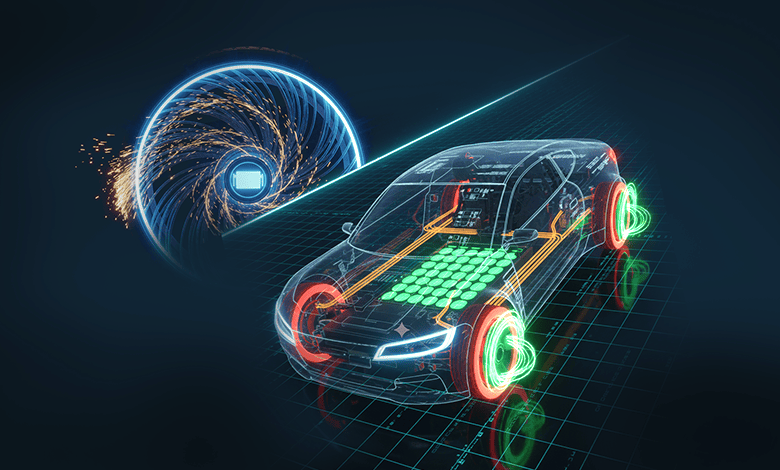
Regenerative braking is making vehicles like cars and motorbikes more efficient. Instead of giving away the heat generated when brakes are pressed, it captures some of that heat and transfers it to the battery of the vehicle. It results in vehicles offering a better riding experience. If you’re curious to know more about this technology, let’s do it!
1. When the brakes are pressed
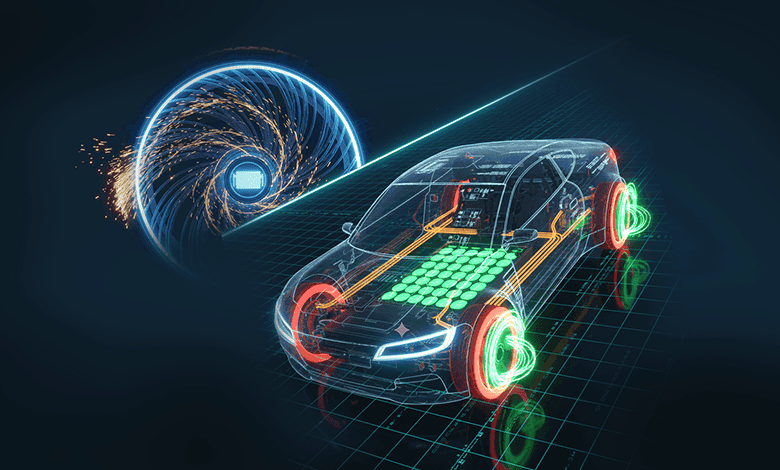
When you release the accelerator or press the brakes, the vehicle learns that you want to reduce the speed. Electric brakes don’t rely solely on mechanical brakes. They have a control unit that sends a signal telling the motor to stop driving the wheels and prepare for energy recovery.
2. ‘Generator’ mode on
An electric motor and a generator function almost the same way. The motor starts to resist the wheel’s rotation after receiving the signal. This resistance slows down the vehicle. But it allows the spinning wheels to push the motor, generating power.
3. Electricity is produced
The inverter and the battery management system regulate the voltage and current, so the battery can safely store it. The process continues until the battery becomes nearly full.
4. When regenerative brakes stop working
Regenerative braking is built to sustain a certain level of pressure. So, when the pressure on the brake is harder than the limit, it automatically activates the hydraulic brakes.
5. Power for your next drive
The energy produced through this system is stored in the battery. So, the next time you take out your e-bike or car, it contributes to better efficiency.
Conclusion
Regenerative braking allows us to generate power even from a mundane task like braking. It reduces wasted power, extends battery life, and allows us to rely less on mechanical brakes. It's a simple concept, but also a key reason why electric vehicles feel better and more refined.
Frequently Asked Questions
1. Are hydraulic brakes replaced by regenerative brakes?
No, regenerative brakes only slow down the vehicle. Hydraulic brakes are still required for hard or emergency stops.
2. Do regenerative brakes fully charge the battery?
No, it can recover only partial energy, not enough to fully charge the battery.
3. Why do EVs slow down as the accelerator is released?
Releasing the motor activates regenerative braking. So the vehicle slows down smoothly.
4. Do regenerative brakes work the same on e-bikes?
The idea is the same, but the recovery is smaller due to lower motor power and battery size.
5. Can I adjust the strength of regenerative braking on my vehicle?
Yes, many vehicles offer selectable regeneration levels for different riding styles.