How to Avoid Hydroplaning During Heavy Rainfall?



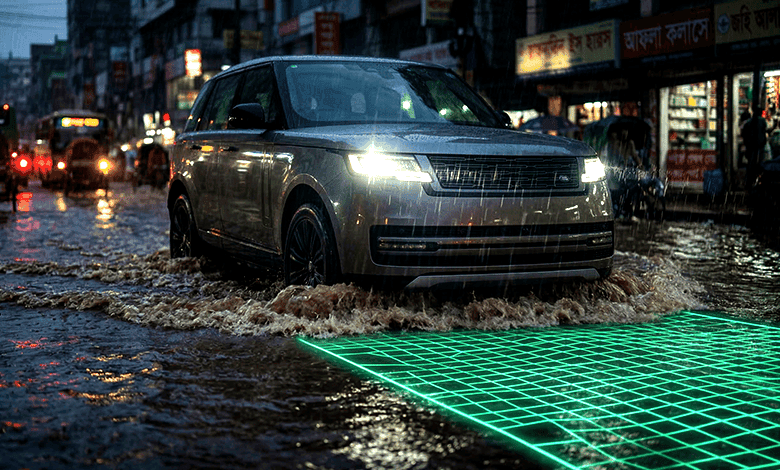
Heavy rain can quickly turn normal roads into dangerous surfaces. When water accumulates faster than it drains off the road, tires may lose grip on the road surface. This situation can cause hydroplaning, in which the tires ride on a thin layer of water rather than the pavement surface. In such times, the steering, braking, and acceleration may stop responding properly. To avoid hydroplaning, developing safe driving habits and maintaining appropriate control when riding in heavy rainfall can help riders and drivers maintain control even in severe storms.
The Reason Behind Hydroplaning
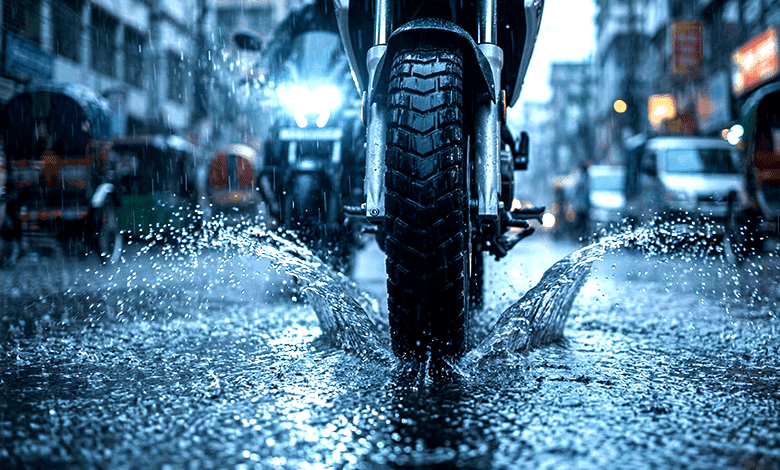
Hydroplaning occurs when a layer of water forms between the tires and the road surface. Normally, tire treads push water away, allowing the tire to maintain contact with the road. However, when water builds up faster than the tire can clear it away, the tire starts to lose grip and can slip on the water.
Importance of the Condition of Tires
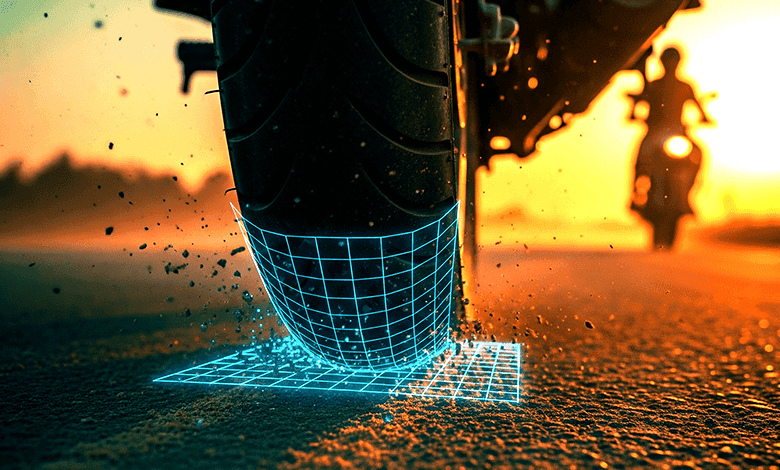
Tires play a critical role in maintaining contact with the road in the wet. Deep, well-designed tread designs can help direct water away from the tire's contact patch. When the tread was worn out, a tire would lose its ability to disperse water effectively.
It is also important to have the correct tire pressure. Underinflated tires may not maintain proper contact with the road, and overinflated tires reduce the contact area with the road, both of which increase the likelihood of hydroplaning. Regular tire checks help keep tires safe and prevent hydroplaning in rainy weather.
Road Conditions and How Hydroplaning Happens
Hydroplaning is more likely to occur during wet road driving. Areas of low elevation, poor road drainage, and worn asphalt may allow water to form shallow pools. Even minor amounts of standing water can be dangerous when mixed with increased speeds.
Fresh rain after a dry period can also be dangerous. Oil and dust settled on the road, mixing with rainwater to form a slippery surface that significantly reduces tire grip. It helps drivers to avoid hydroplaning and reduce the potential risks if they understand these road conditions.
What to Do for Hydroplaning Prevention
Hydroplaning prevention mainly depends on cautious driving and proper vehicle maintenance. Slowing down during heavy rain is the best way to ensure you have some grip on the road. Slower speeds give the tires time to push the water away before coming into contact with the road again.
Final Thoughts
Hydroplaning is one of the greatest hazards during heavy rain because it removes the driver's control of the bike. However, the risk can be greatly lowered through proper tire maintenance, lower speeds, and attentive driving habits. Understanding how water affects tire grip when riding in heavy rainfall, and being prepared for even severe weather helps you stay safe on the road.
Frequently Asked Questions
1. When does hydroplaning happen?
Hydroplaning occurs when water accumulates between the tires and the road surface.
2. At what rate would hydroplaning usually occur?
Hydroplaning usually occurs at speeds over 50-60 km/h on wet roads.
3. Are worn tires more risky for hydroplaning?
Yes. Worn tires cannot disperse water well.
4. Should I brake hard while hydroplaning?
No. Gently release the accelerator and stay calm.
5. How can hydroplaning be avoided?
Maintain proper tire condition, reduce speed during heavy rain, and avoid standing water.