How to Safely Cross Waterlogged Roads Without Engine Damage?



Waterlogged roads are common during heavy rains, and in urban areas, the drainage systems often struggle to cope with intense downpours. Riding or driving on waterlogged roads can be dangerous, not only because the road becomes slippery but also because water can enter critical engine components. When water enters the intake or exhaust, it can cause serious mechanical problems, such as water damage to the bike's engine or even a complete engine failure. This article explains the causes of flooded roads, why engines can suffer hydrolock, and provides tips for crossing waterlogged roads to minimize what can go wrong.
What Makes Waterlogged Roads Dangerous?
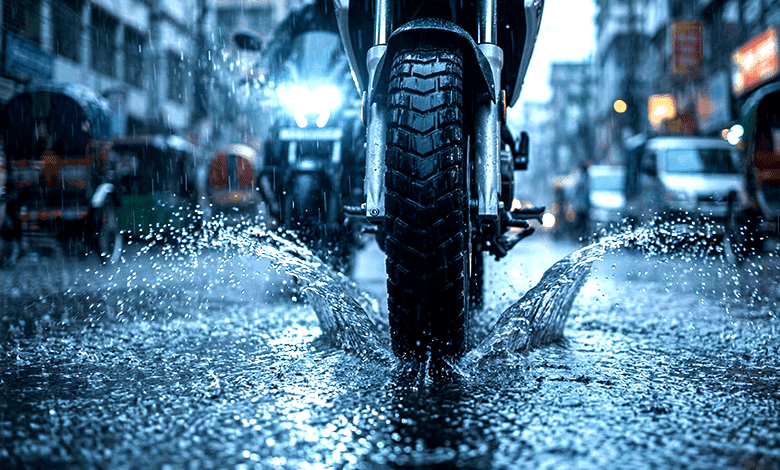
When a bike or car enters a waterlogged road at speed, the water splashes can push water toward the air intake or electronics. If water gets into the engine's combustion chamber, it can result in a condition known as hydrolock, which is characterized by the piston being unable to compress water the way it does air and fuel.
Apart from engine problems, waterlogged roads can also affect traction and braking efficiency. Riders can lose balance or skid unexpectedly, so waterlogged roads are not only a mechanical risk but also a serious safety hazard.
How Water Causes Bike Engine Damage?
When water enters an air intake system, it can easily get into the combustion chamber. Since water cannot be compressed as air can, it can prevent the piston from moving immediately and damage internal engine components. This is one of the worst kinds of water damage to a bike's engine.
Safe Ways for Crossing Flooded Roads
When crossing waterlogged roads, the first step is understanding the depth. Water reaching over the level of the exhaust or air intake can be very risky. If other vehicles are having trouble getting through, then it is safe to find a different route.
While driving on a waterlogged road, ride slowly and keep the throttle steady. Sudden acceleration can cause water to splash into the exhaust or intake. A constant engine speed helps maintain exhaust pressure, reducing the likelihood of water backflow into the engine. Keep your feet ready to balance if necessary, and avoid sudden braking to help maintain control on slippery surfaces.
How to Prevent Engine Damage in Water?
The best way to avoid damaging the engine in water is to use a combination of good judgment and good riding technique. Avoid entering water at high speed because splashes can force water into sensitive engine parts. Try to stick to the route taken by other vehicles, as it is often the easiest part of the road.
Checking After Crossing Flooded Roads
After successfully crossing waterlogged roads, it is a good idea to inspect the vehicle. To ensure the brakes work properly, apply them lightly for a short distance to dry the brake pads. If the engine sounds unusual or is difficult to start in the future, check the air and exhaust systems.
In severe cases where water exposure is important, it is recommended to have a professional inspection. Early detection can head off mechanical problems that tend to arise over time due to improper crossing of waterlogged roads.
Final Thoughts
Water in the engine or electronics is the greatest threat when one is driving on a wet road. With the depth of water, riding at a steady speed and not throttling frequently, riders in general can minimize the risk of water damaging their bike's engine.
Frequently Asked Questions
1. How deep is water safe for motorcycles?
Water should not reach the level of the exhaust or air intake.
2. What happens if there is water in the motorcycle engine?
Since water cannot be compressed like air, it can stop the piston movement immediately, causing damage to internal engine components.
3. Should I restart my bike if it stalls in floodwater?
No. Move the bike to dry ground before trying to start it.
4. Does riding fast through water prevent engine damage?
No. Riding fast increases the risk of water entering the engine.
5. What maintenance can be done to keep a bike protected during rainy seasons?
Regular cleaning of air filters and checking electrical connections helps prevent damage.