Why Older Japanese Cars Still Dominate Bangladesh’s Used Car Market



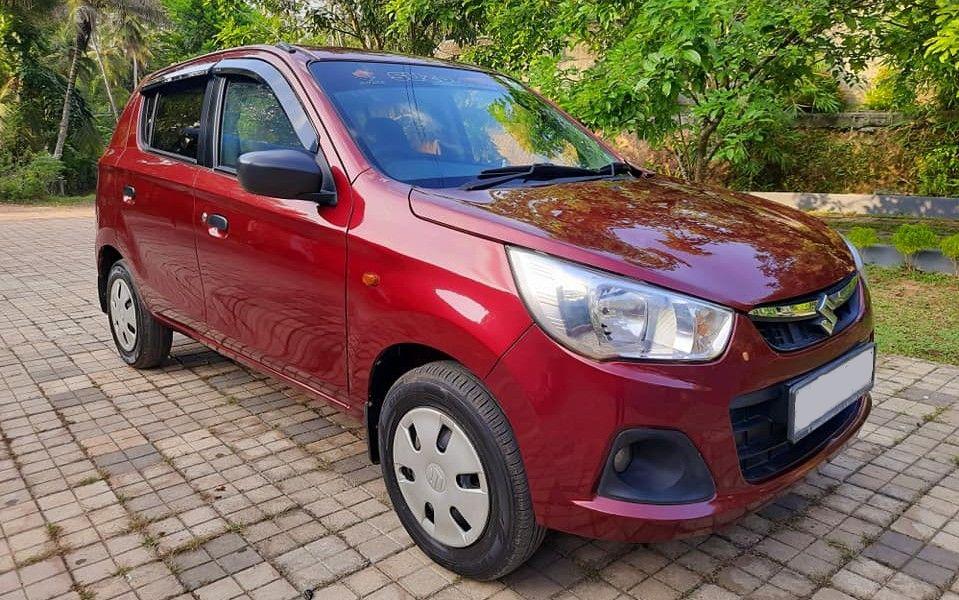
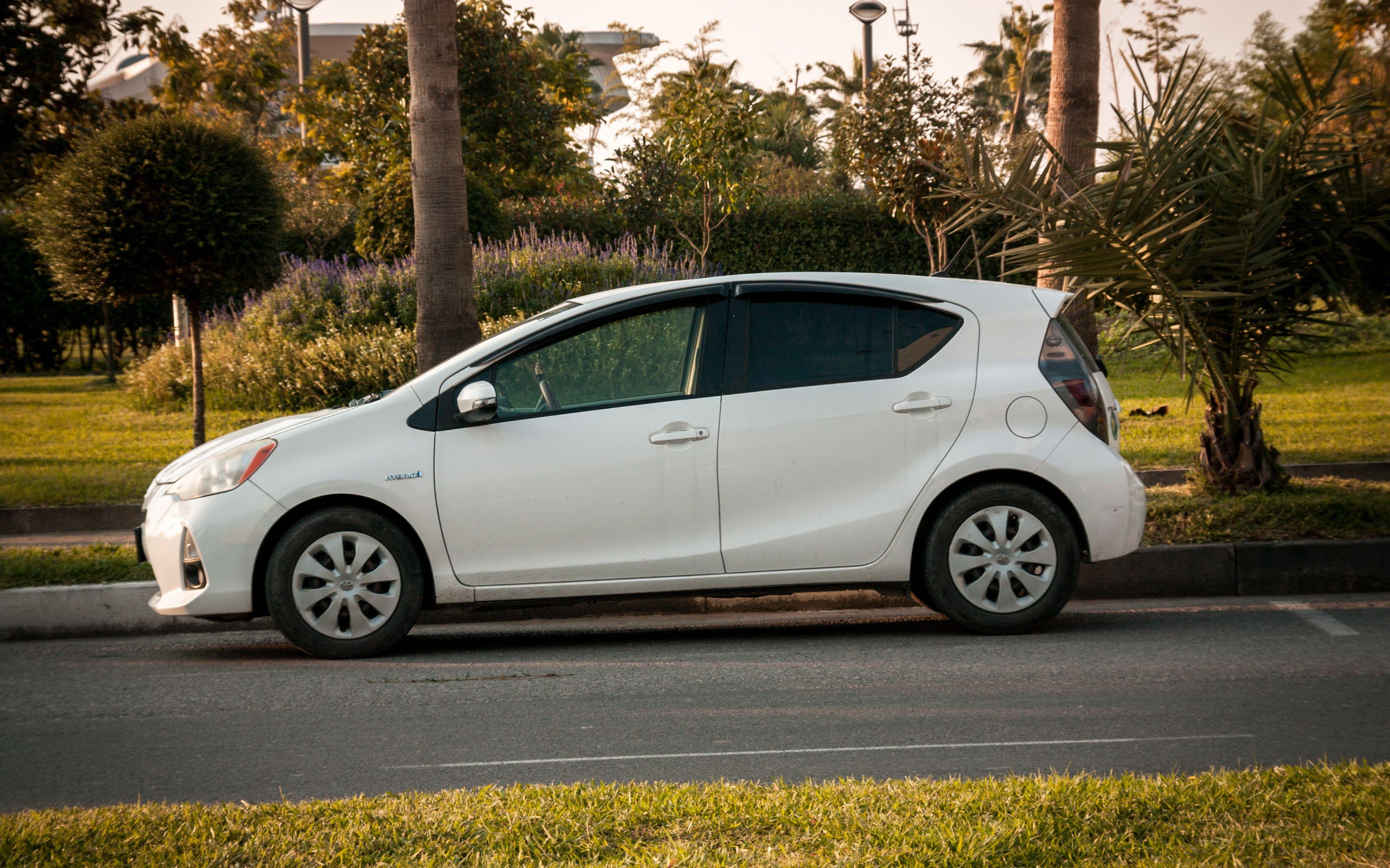
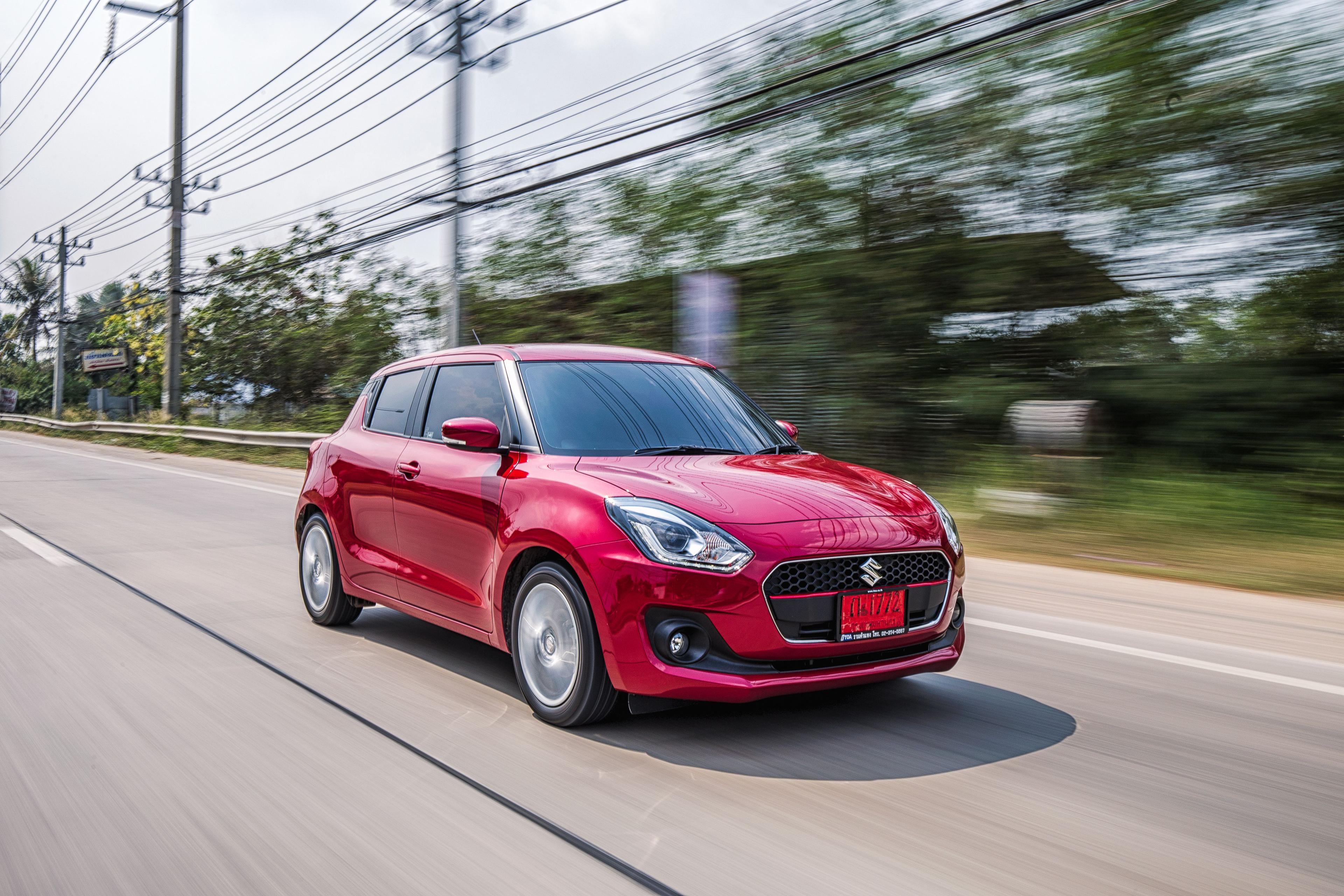
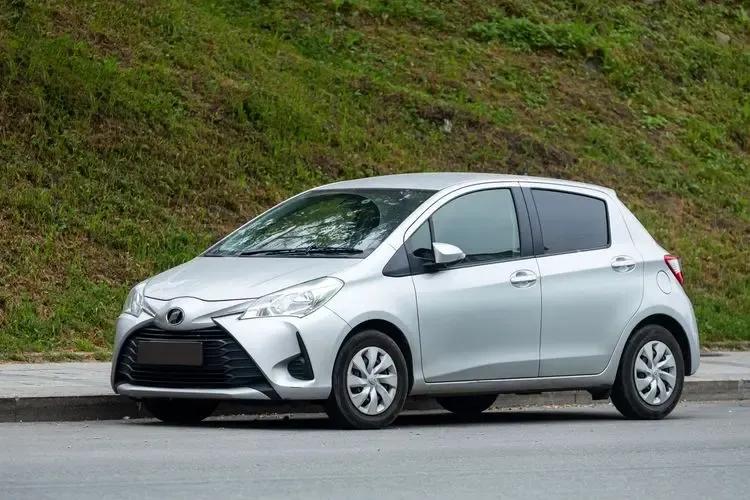
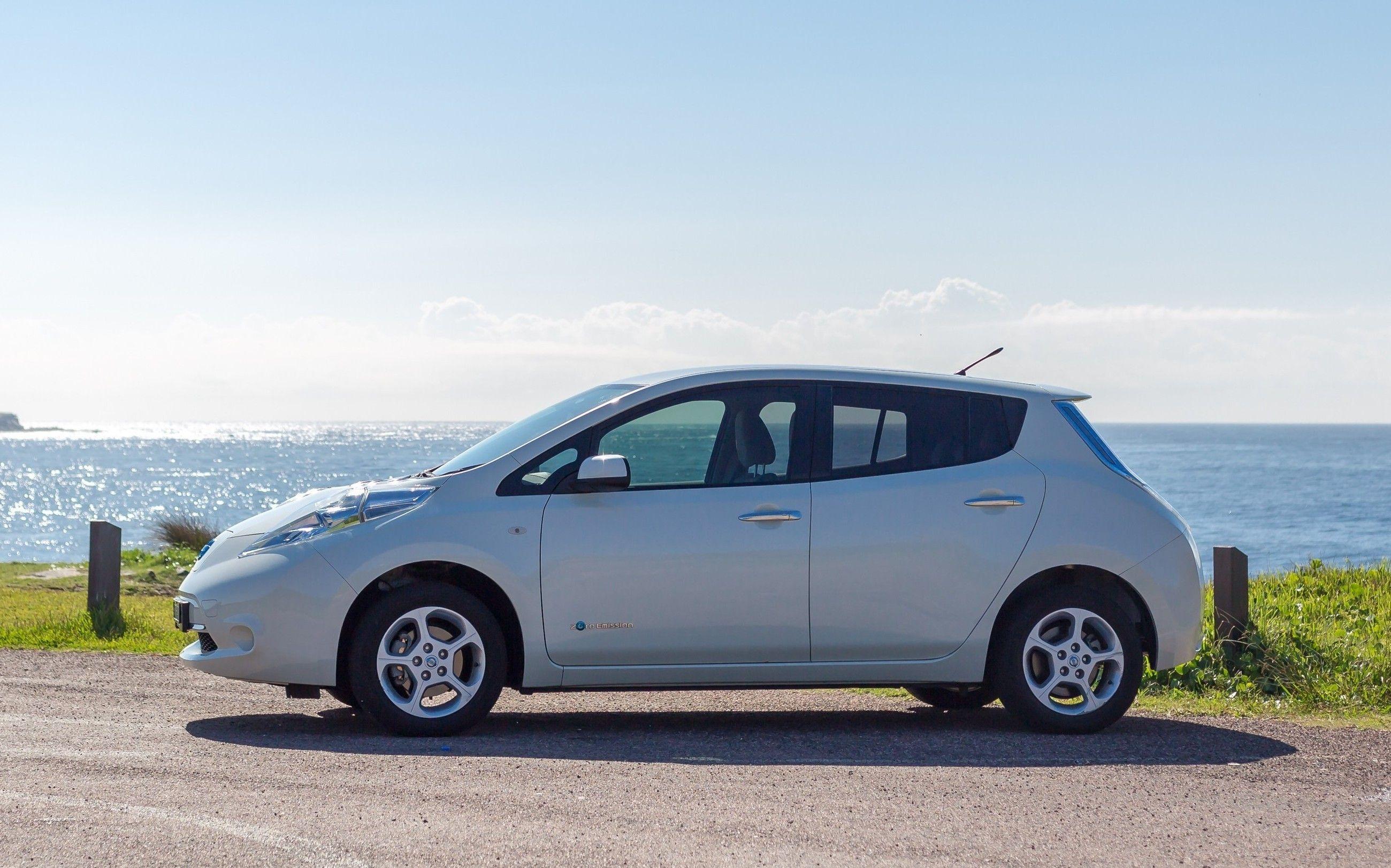
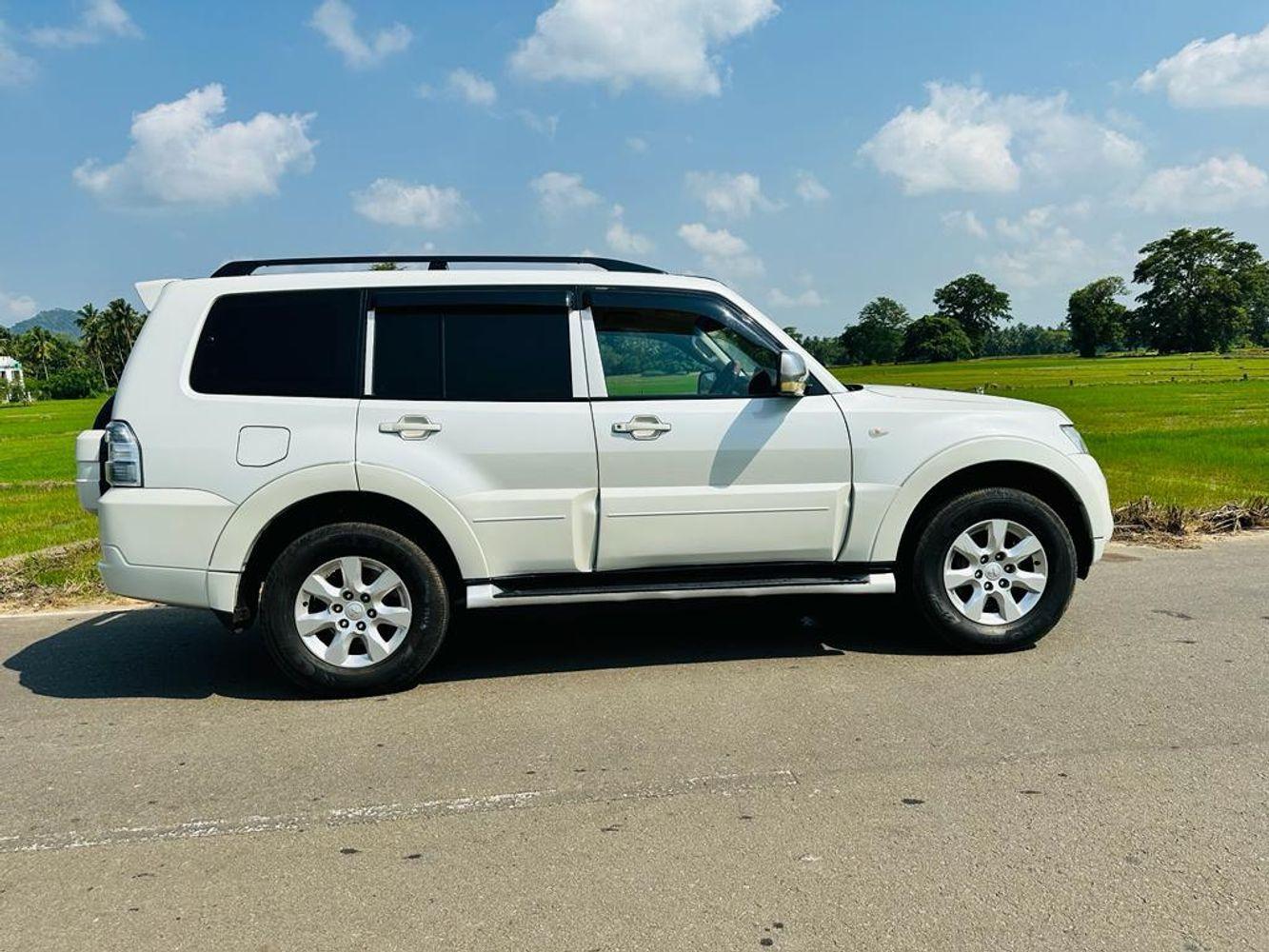
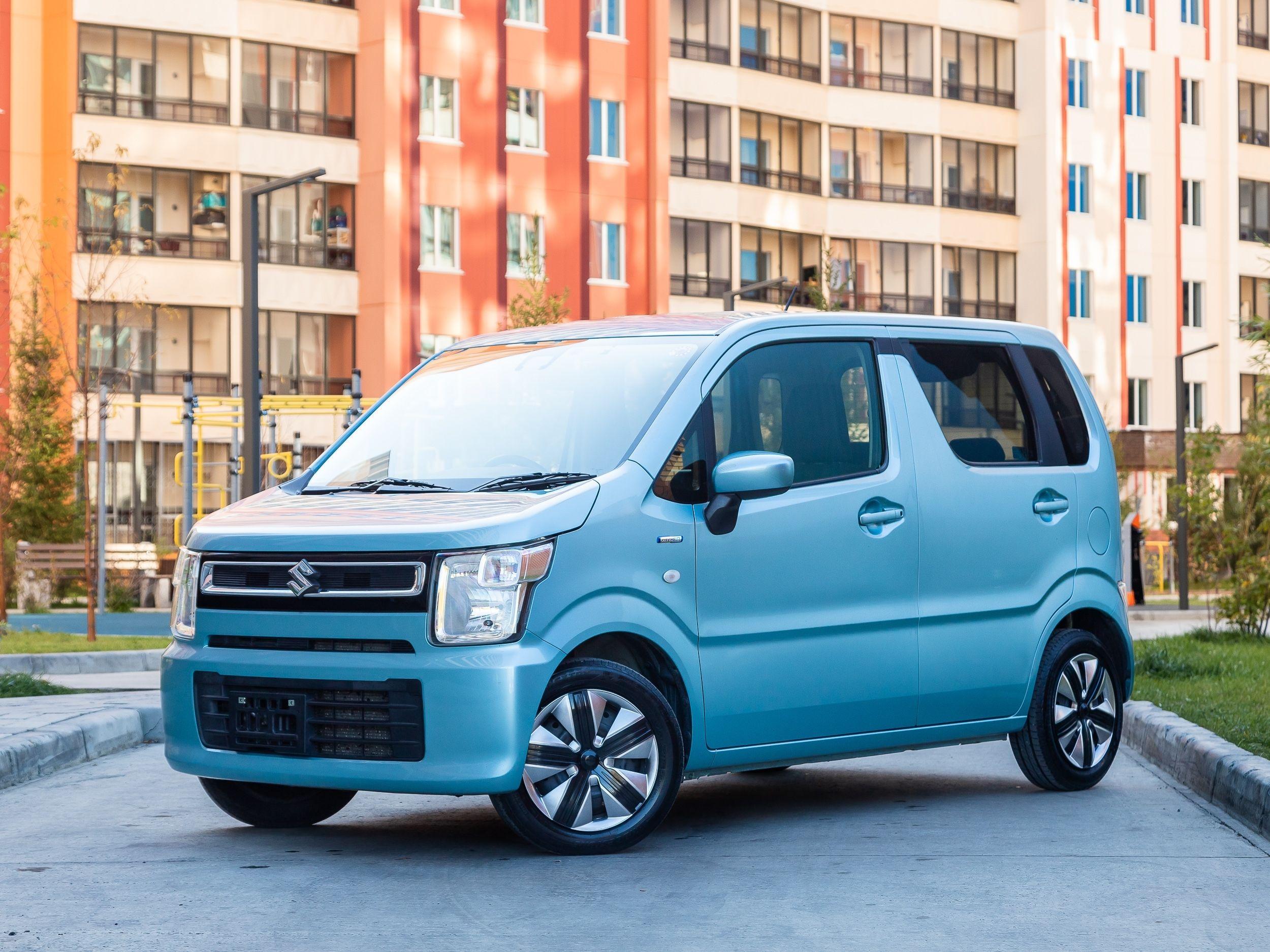
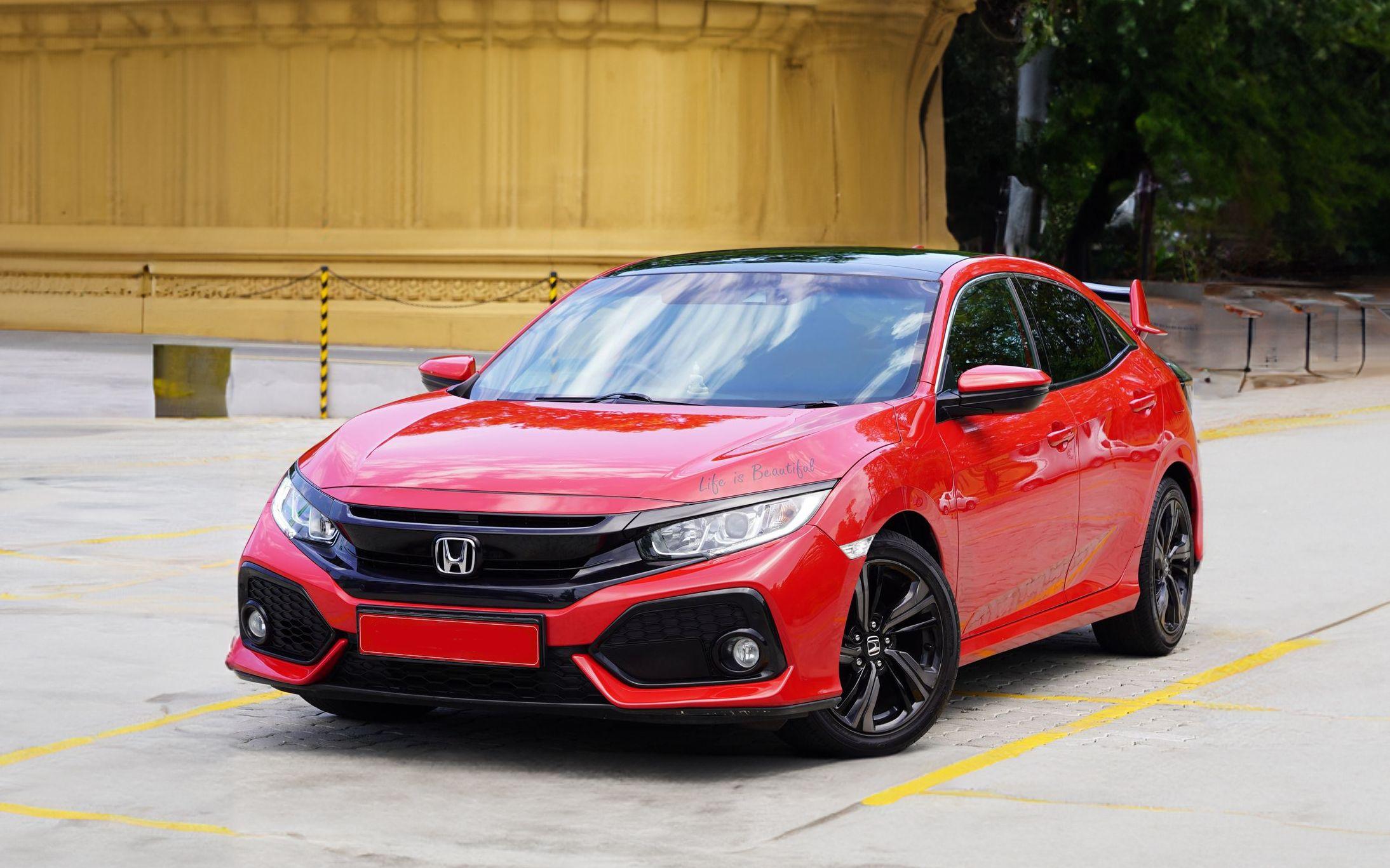
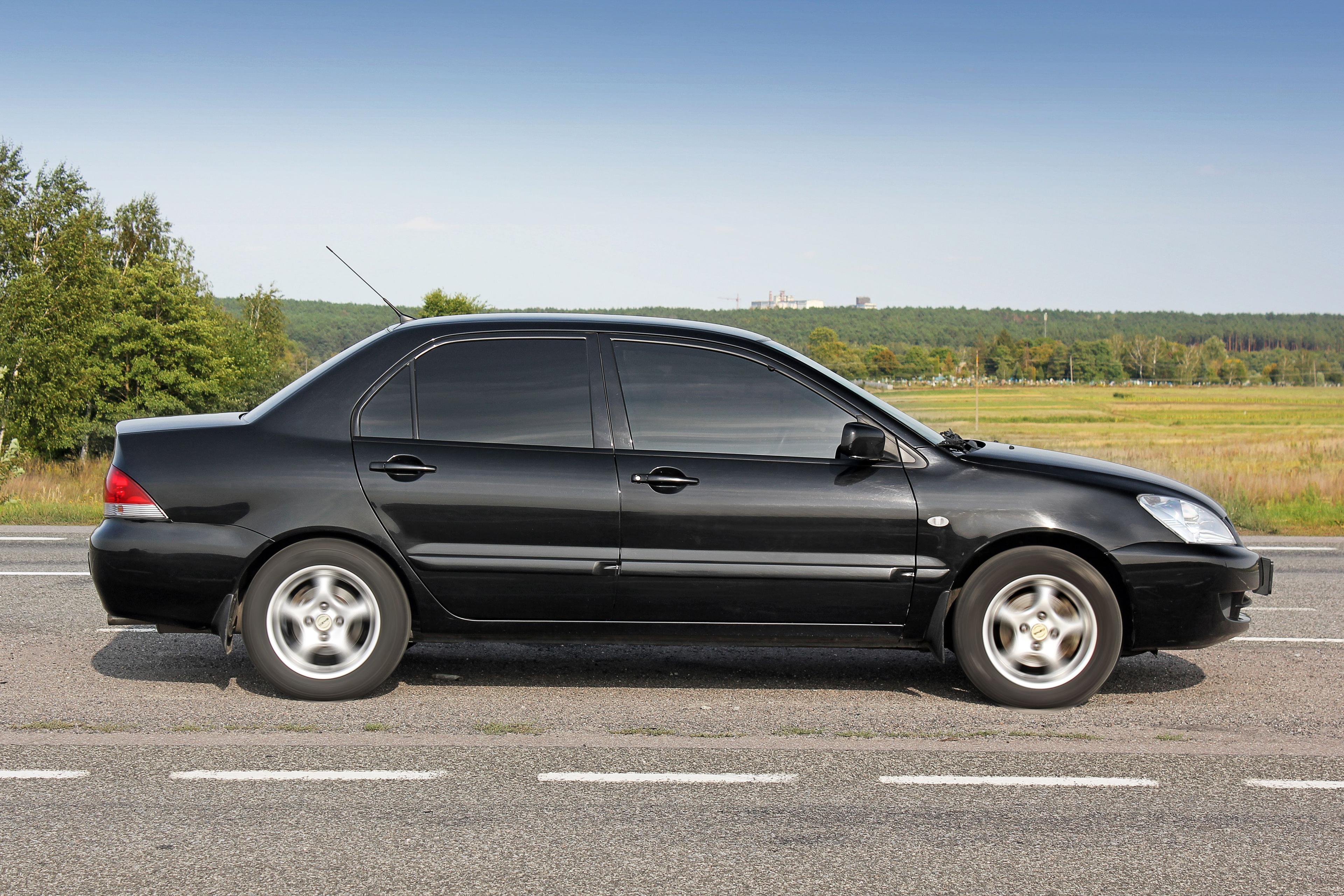
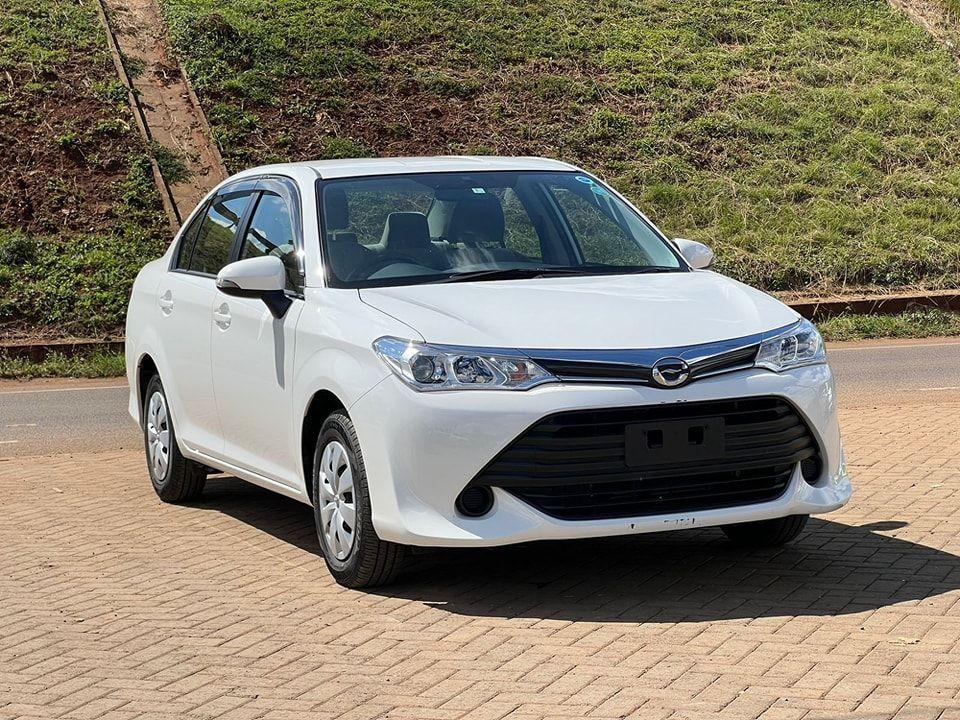
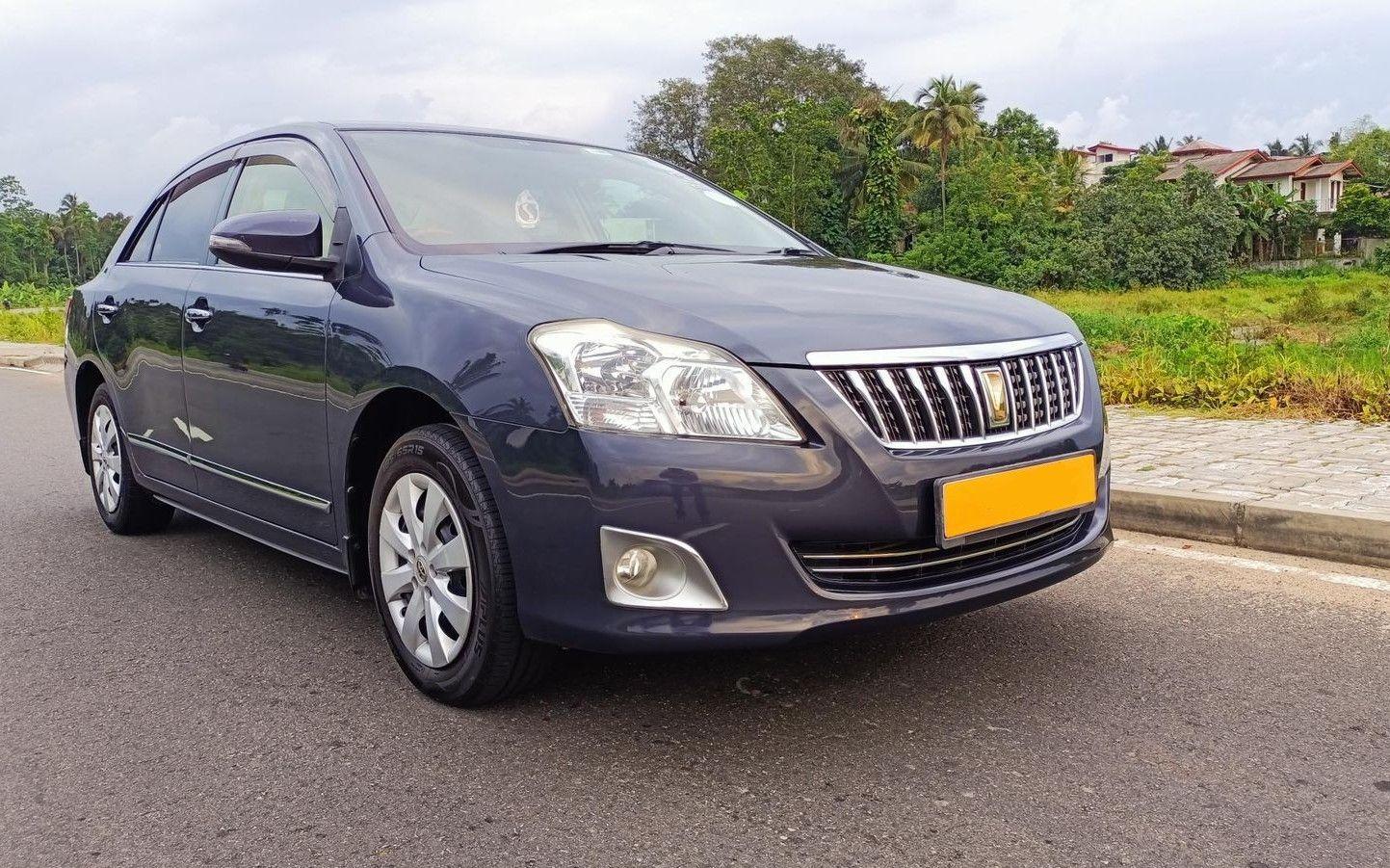
You can notice that, while walking through any used-car lot in Bangladesh, older Japanese cars are everywhere. Models that are 10, 15, or even 20 years old from Toyota, Nissan, Honda, and Mitsubishi are still selling more in Bangladesh than newer models from these companies or other companies. This is not just a coincidence or a trend. The Bangladeshi used car market has been like this for quite some time. And there are some very practical reasons behind this.
Proven reliability over flashy features
Older Japanese cars have built a reputation for reliability over the decades. These cars were built to last for a long time, even with minimal maintenance. They also rely less on complex electronics or delicate sensors. Bangladesh’s challenging road conditions, fuel quality, and traffic work in favor of these used Japanese cars. People trust what they have already seen running smoothly for years, not what looks good on paper.
Easy and affordable maintenance
A major reason behind this strong preference for used Japanese cars is their low maintenance costs. Spare parts for these cars are readily available nationwide. Mechanics are very familiar with these engines and systems, not just in big cities but also in small towns. Specialized diagnostic tools are not required for most repairs. This keeps servicing simple and affordable. This matters a lot to used-car buyers.
Better compatibility with local roads
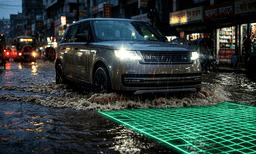
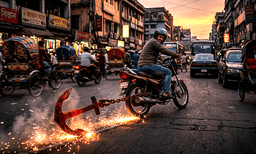
Bangladeshi roads are not kind to cars. Broken surfaces, potholes, speed breakers, and waterlogging are very common here. Older Japanese cars usually have stronger suspension setups to withstand these conditions. They also have a higher tolerance for rough use. They may not feel luxurious. But they can survive conditions that often wear out the newer models.
Fuel efficiency that still makes sense
Used car buyers are always concerned about the fuel costs. Older Japanese cars are generally more fuel-efficient for their engine size. They were not tuned aggressively. So these engines focus more on smooth operations than performance. This means more predictable fuel consumption and monthly fuel costs.
Strong resale value and buyer confidence
Another important factor is resale value. People buy used Japanese cars, drive them for a few years, and then sell them later without losing too much money. This creates a cycle of trust. Buyers feel safe investing in something that already has proven market demand.
Conclusion
Older Japanese cars dominate Bangladesh’s used car market because they cater to the buyer's demands. They have so many good features: reliable, easy to maintain, capable of handling rough roads, fuel-efficient, and easy to resell. These cars do not offer the latest technologies. But they come with something more valuable: peace of mind. In a market where practicality matters more than trends, older Japanese cars continue to win.
Frequently Asked Questions
1. Why do people prefer older Japanese cars over newer models?
These cars have proven reliable, cheaper to maintain, and better suited to local conditions.
2. Are spare parts really that easy to find?
Yes. Spare parts are widely available, and most local mechanics are experienced with Japanese cars.
3. Do older Japanese cars consume less fuel?
Yes. Older Japanese cars usually offer stable, predictable fuel efficiency, especially in city driving.
4. Are older Japanese cars good for rough roads?
Yes. Their suspension and build quality handle broken roads better than many newer cars.
5. Do older Japanese cars have good resale value?
Yes. Older Japanese cars still retain good resale value in the Bangladeshi used-car market.