Emergency Roadside Kit Essentials: What Every Driver & Rider Must Carry


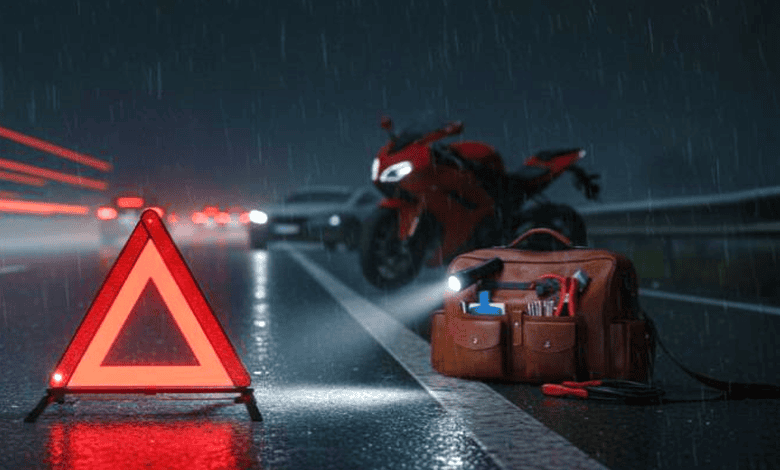
No matter how careful you are, unexpected dangers can come at any time on the road for a driver or a motorcyclist. In such emergencies, having preparedness and the necessary supplies can make your life safer. In situations like tire puncture, dead battery, engine problem, sudden illness or accident, etc., the right roadside kit can save your life and that of your family. Therefore, it is important to keep an emergency roadside kit in every vehicle.
Many problems can be easily solved with the simple tools in the emergency kit. Additionally, an emergency roadside kit enhances confidence in any adverse situation. This blog has discussed in detail various necessary roadside kits, which you should always keep with your car or bike.
Emergency Roadside Kits Every Driver and Rider Should Carry
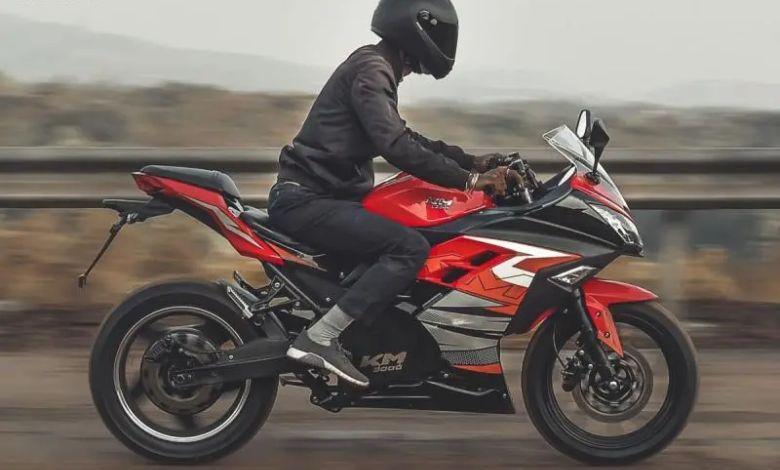
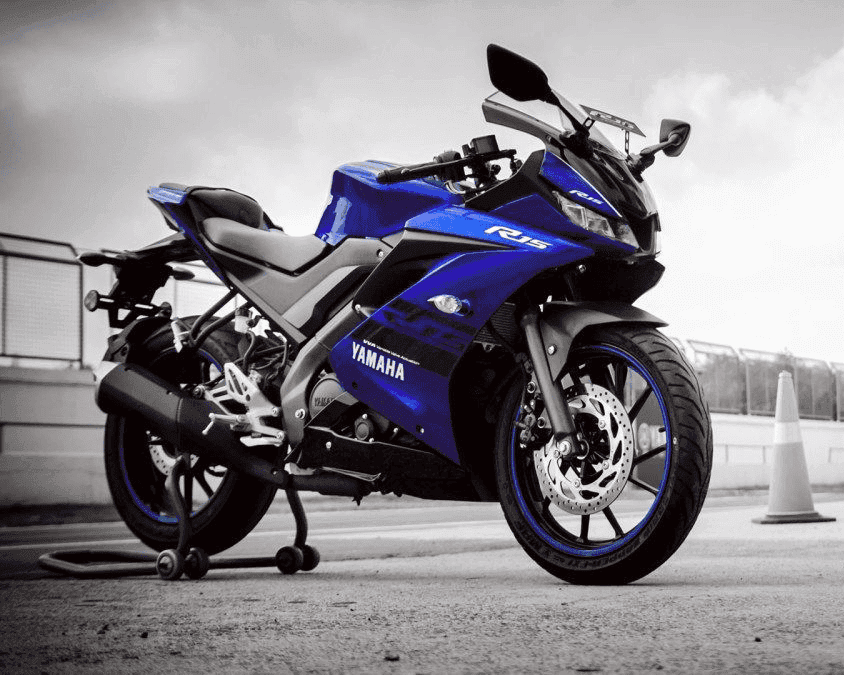
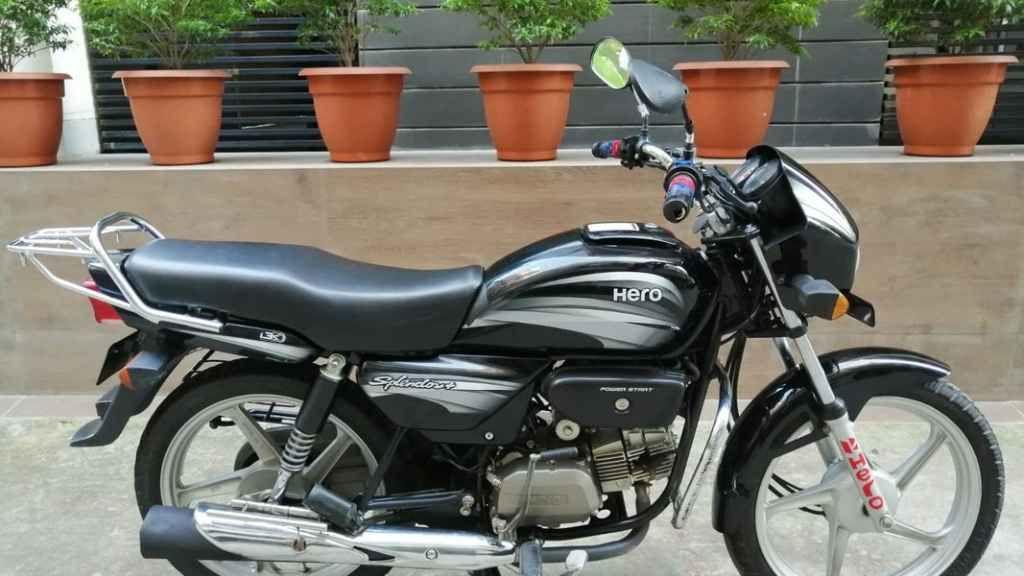
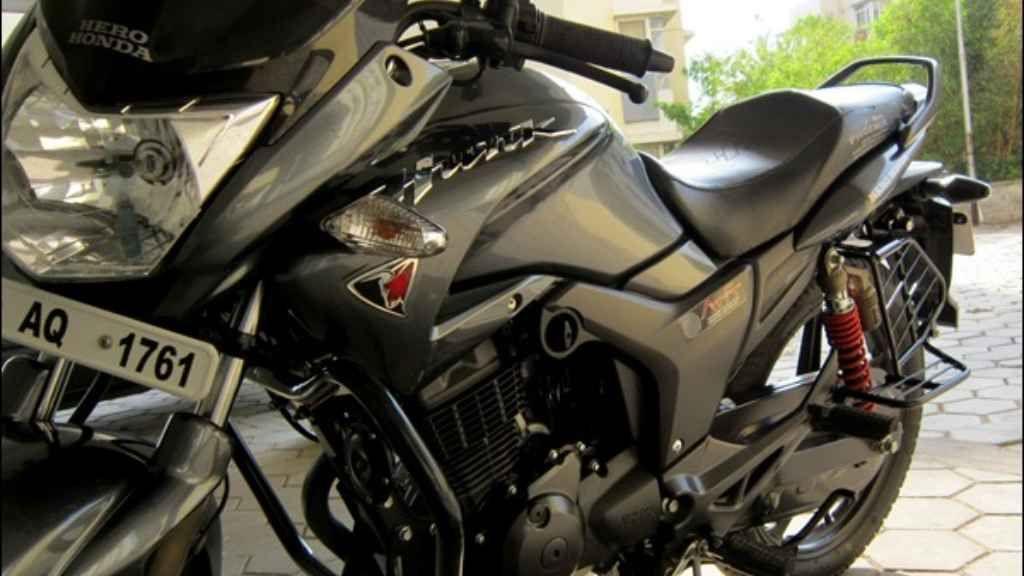
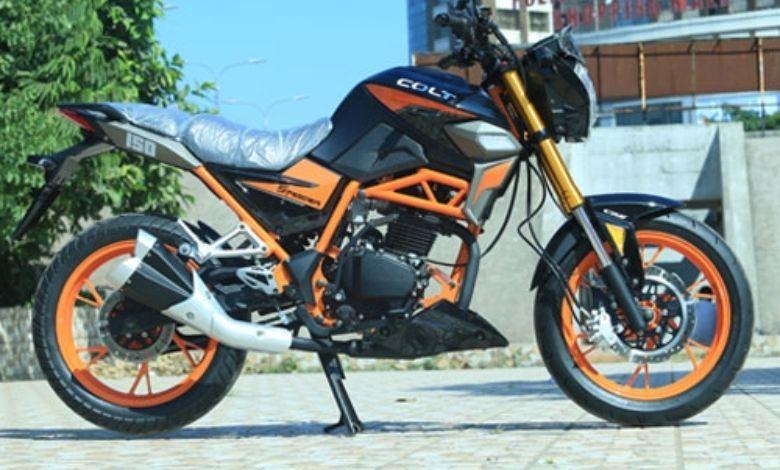
Emergency roadside kits for cars or motorbikes include - tire repair kits, basic technical tools, a first-aid box, a jump-start cable, a portable air compressor, lights, extra batteries, etc. These tools can provide quick solutions in case of minor accidents, sudden vehicle problems, and bad weather. Since space is limited on motorbikes, a compact toolkit box, tire puncture kit, jumper cables, zip-ties, etc. can be stored in the space under the seat.
1. Basic mechanical tools for car or bike repair
Basic tools like screwdriver set, pliers, jumper cables, adjustable wrench, duct tape and zip ties, multi-tool, etc., help in taking quick action in case of any mechanical problem.
2. Basic tools for tire and wheel repair
Tire repair kit, wheel brace, tire pressure gauge, tire inflator, wheel chock, torque wrench, spare tire, etc. Basic tools for tire and wheel repair should be kept with the vehicle.
3. Basic first aid kit
Nowadays, small first aid kit boxes used in vehicles are available in the market. These include bandages, antiseptics, cotton, medical tape, pain medication, burn gel, small scissors, necessary medicines, etc.
4. Emergency safety lights and batteries
Flashlight or road flare, hazard warning triangle, reflective jacket or vest, extra batteries or rechargeable batteries, etc., are very useful for getting quick help in case of any problem on highways and remote areas.
5. Personal safety items
Keep personal items like water, dry food (biscuits, chocolate), whistle, power bank, torch, tissue, warm clothes, raincoat, umbrella, sanitizer, notebook, pen, small knife, etc., with the vehicle.
6. Required documents
Legal documents of the vehicle, such as a driver’s license, vehicle registration papers, insurance copy, etc. These papers must be kept with you.
7. Keep essentials for long trips
Small fire extinguisher, spare tire, towing rope, extra battery, extra fuse set, engine oil, windshield washer fluid, extra coolant, etc., are essential for long trips.
Final Thoughts
An emergency roadside kit helps you take quick action in any problem. These kits will save you time in unexpected situations. In case of minor accidents, you can solve the problem yourself. Every car driver and biker should keep a good-quality roadside kit box in the vehicle.
Frequently Asked Questions
1. Why is it important to keep an emergency roadside kit in the vehicle?
Any basic problem while driving, such as a tire puncture, a battery down, an engine problem, or a minor accident, can be easily solved with these kits.
2. What are the must-have items in the emergency kit?
Tire repair materials, basic technical tools, a first-aid box, a jump-start cable, a portable air compressor, lights, extra batteries, etc., are must-have items.
3. What are the special items that bikers should keep?
Since space is limited on motorbikes, compact toolkit boxes, tire puncture kits, jumper cables, zip-ties, etc., can be stored in the space under the seat.
4. What should be in the first aid kit?
It should contain bandages, antiseptics, cotton, medical tape, painkillers, burn gel, small scissors, necessary medicines, etc.
5. How often should the emergency kit be checked?
Check the expiration date of medicines, engine oil, batteries, and everything every 6 months.