How to Choose the Right Helmet for Maximum Protection


For any rider, a right helmet is the most essential safety gear. It protects your head from serious injury during accidents. Also, it reduces the risk of fatal damage. Not all helmets offer the same level of protection. Choosing the wrong helmet can be as risky as riding without one. Some factors play a significant role in safety. These are fitness certification, helmet type, and comfort. Before buying a helmet, you have to know the ins and outs to make a wise decision.
Here are essential tips to help you choose the right helmet for maximum protection.
Top 10 Tips to Choose the Right Helmet
1. Always Check the Safety Certification
There are some safety standards, such as DOT, ECE, or ISI. Before buying a helmet, please choose those that meet these safety standards. Certification is proof that the helmet has passed the durability test.
2. Select the Correct Helmet Size
A helmet should fit perfectly. It shouldn't be so tight as to cause pain. Again, it shouldn't be so loose that it can fail to protect your head.
3. Choose the Right Helmet Type
Usually, full-face helmets provide the highest protection. Because open-face or half helmets expose more of the head, they generally offer less protection in accidents.
4. Check the Inner Padding Quality
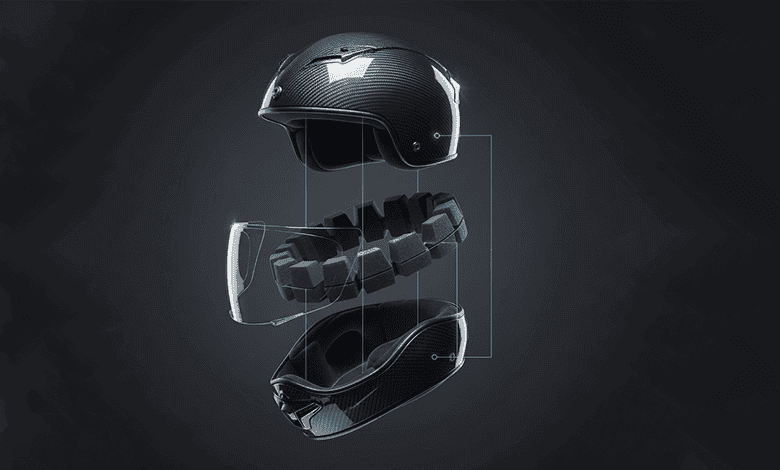
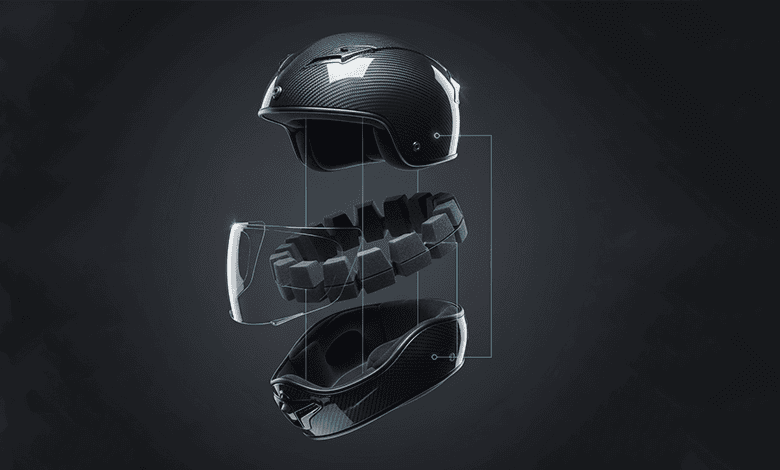
Padding's quality varies from brand to brand. Try to buy a helmet with high-quality padding. It absorbs impact and increases comfort. The padding should feel firm, not soft or worn out.
5. Look for a Strong Chin Strap System
A chin strap can keep the helmet in place during an accident. Please make sure the chin strap is strong enough. It should lock securely and shouldn't loosen easily.
6. Ensure Proper Ventilation
Ventilation is essential because it helps keep your head cool. It also prevents sweating. It also helps maintain focus during long rides.
7. Avoid Old or Used Helmets
Helmets lose their strength over time. It is not a good decision to buy second-hand helmets. It might be less protected, damaged, or not fitted.
8. Check Visibility and Visor Quality
The helmet's visor quality should be clear and scratch-free. It should offer wide visibility. Poor vision can increase the risk of accidents.
9. Comfort Matters for Daily Use
As a helmet is for daily use and an essential daily gear, it should be comfortable. Mainly, the discomfort often leads riders to avoid wearing helmets.
10. Check Helmet Weight and Balance
A helmet should feel balanced properly on your head. It should not tilt forward or backward. Poor weight balance can cause neck strain. Also, it can reduce control, especially during long rides.
Final Thoughts
Choosing the right helmet is a lifesaving decision. Always prioritize safety over style or price. The things that you should always keep in mind are certification, fitness, and comfort. Ride smart, stay safe.
Frequently Asked Question
1. Is a full-face helmet safer than a half or open-face helmet?
Yes, definitely. Full-face helmets protect the head, face, and chin. It offers the highest level of safety.
2. How tight should a helmet be?
The helmet should fit perfectly. It shouldn't cause you any pain. Also, it should not move when you shake your head.
3. Can I use a helmet after having an accident?
Experts suggest that a helmet shouldn't be used if you've already had an accident with it. Helmets lose protection after impact. So, it should be replaced as soon as possible.
4. How often should I replace my helmet?
Though it depends on various factors, such as how much and how carefully you use it, how often you clean it, and how many times you have had accidents, the experts agree that the helmet should be replaced every 3 to 5 years.
5. Does a heavier helmet always provide better protection?
The answer is no. Protection doesn't depend on being heavy or too costly; it depends on design, certification, and brand value.