Engine Heat Management in Motorcycles: How Cooling Systems Actually Work


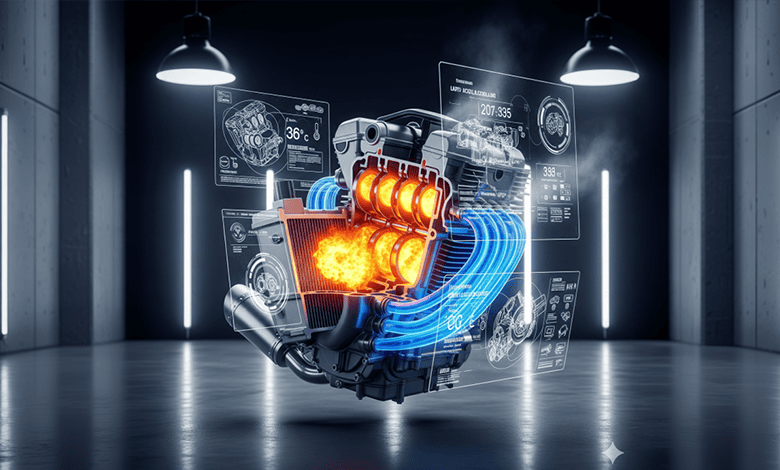
Motorcycles may appear sleek and small on the outside, but every second, intense heat is produced inside the engine. Controlling engine heat has a direct impact on long-term dependability, durability, fuel economy, and rider comfort in addition to performance. The cooling system is essential in this situation. To answer the critical question of which cooling system is best for motorcycles, this article will compare liquid-cooled and air-cooled engines, examine how engine heat is generated, and describe how motorcycle cooling systems work.
Why do the Engines of Motorcycles Produce a lot of heat?
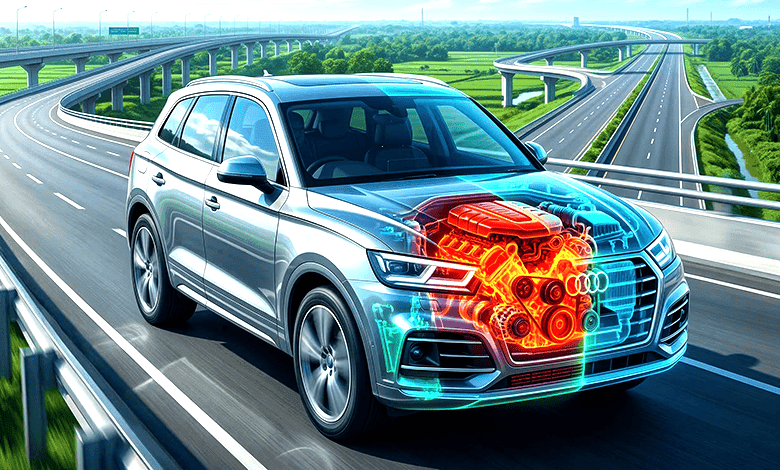
Whenever fuel is burnt in a motorcycle engine, it emits energy. Not all that energy is converted to motion; some is converted to heat. This heat accumulates quickly as engine RPM increases, particularly in city traffic, on the highway, or when riding aggressively. Unless engine heat is managed correctly, it may result in:
- Loss of engine power
- Less efficiency in lubrication
- Knocking of the engine or overheating
- Premature wear of engine parts
This explains the importance of engine heat management as a fundamental aspect of motorcycle engine work.
How Does a Motorcycle Cooling System Work?
The main task of a motorcycle cooling system is to keep the engine operating at an optimal temperature. Engines are built to be efficient within a particular temperature range; below that, they are inefficient; above that, they are destroyed. Cooling systems dissipate excess heat from the engine and discharge it into the surrounding air. The nature of this heat transfer will be determined by the motorcycle's cooling mode, either air or liquid. Let's see how to decide between liquid-cooled vs. air-cooled engines.
Air-Cooled Engines: Easy and Time-Tested
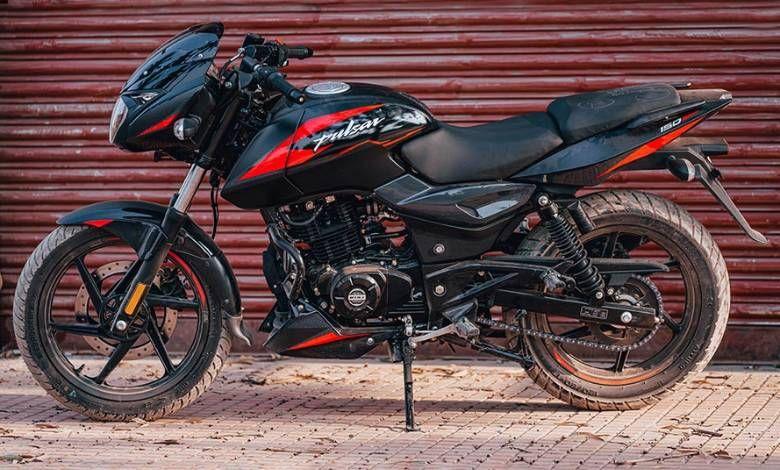
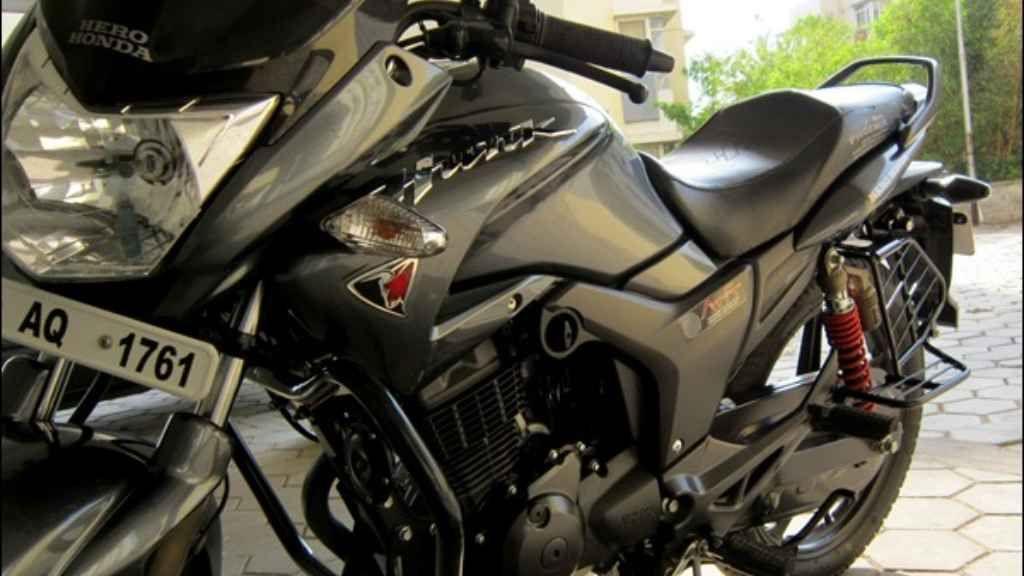
A cooled air engine uses direct air to cool the engine block. You will find metal fins on the engine cylinder. This increases the surface area, enabling better heat dissipation as air flows through it.
Air passes through the engine in its natural state as the motorcycle travels. There is still some heat lost in the convection process, but much more inefficiently than when it is in motion.
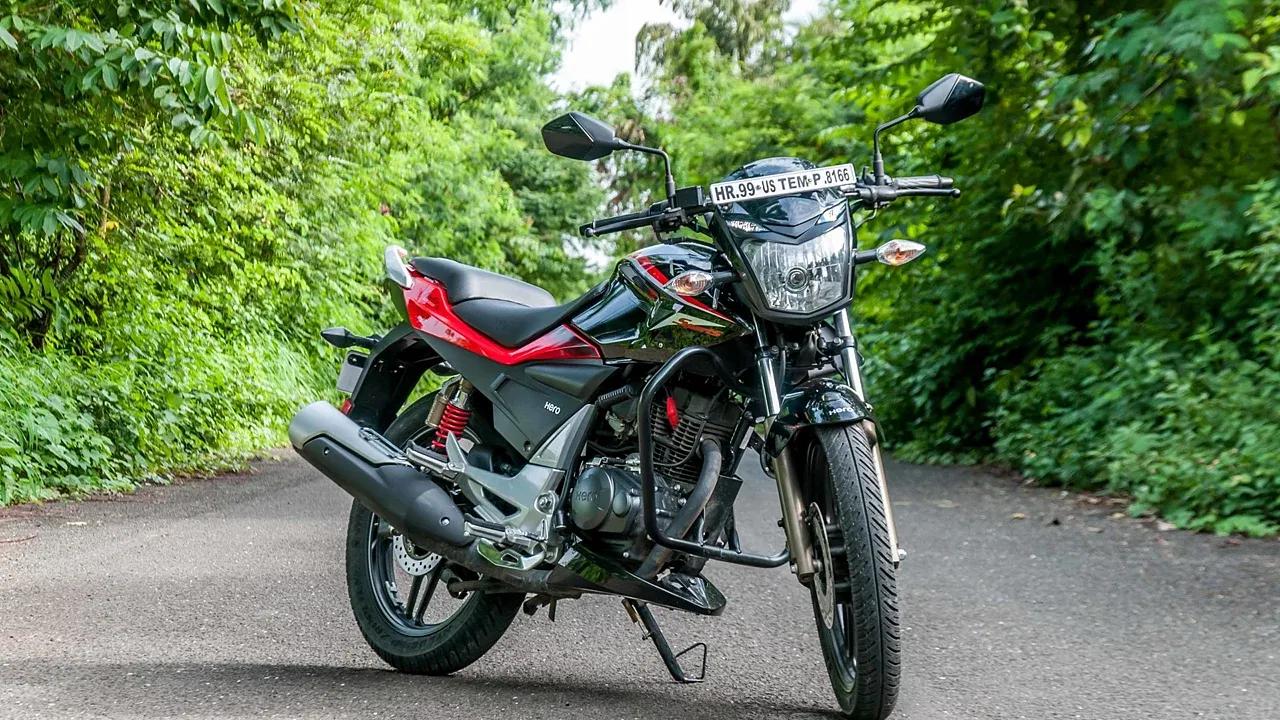
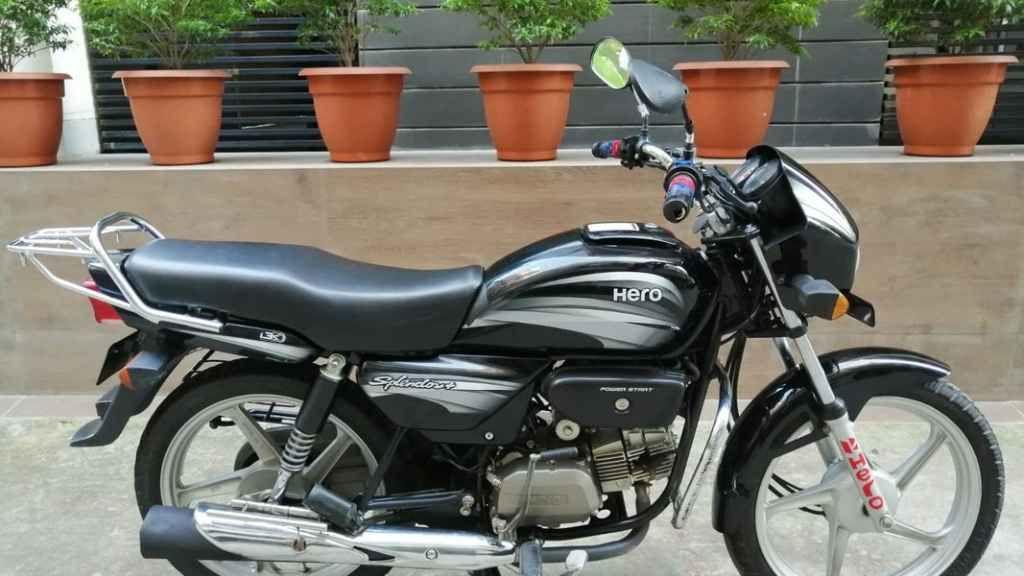
Simple air-cooled engines are used in commuter bikes and other vintage motorcycle designs. Because they have fewer parts (they lack a radiator, coolant, and water pump), they are lighter, easier to maintain, and tend to be cheaper.
Nonetheless, air cooling has drawbacks. When traffic is slow or it is hot, airflow is reduced, reducing heat dissipation. This may increase engine temperatures, particularly in large or high-performance engines.
Liquid-Cooled Engines: Accurate Heat Control
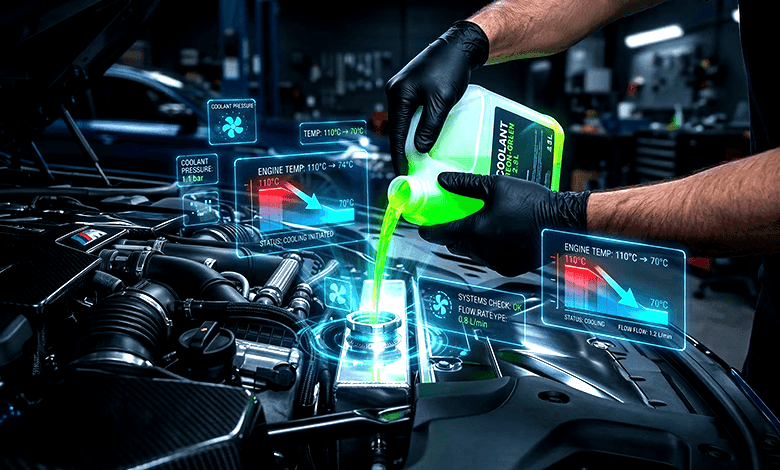
A liquid-cooled engine uses coolant (a blend of water and antifreeze) to absorb heat from the engine. This hot coolant travels through openings in the engine, and it is released into a radiator, where the heat is expelled into the air.
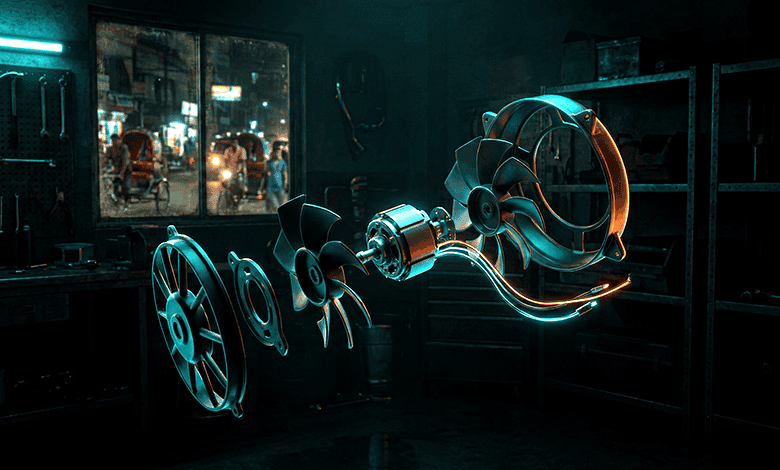
A radiator fan is also used when the motorcycle is at rest or moving slowly to ensure continuous cooling, even in traffic. When cooled, the liquid is pumped back into the engine to continue the process.
Liquid cooling provides much more precise temperature control. Since the heat is removed uniformly throughout the engine, it can still perform well even at high speeds or under heavy loads.
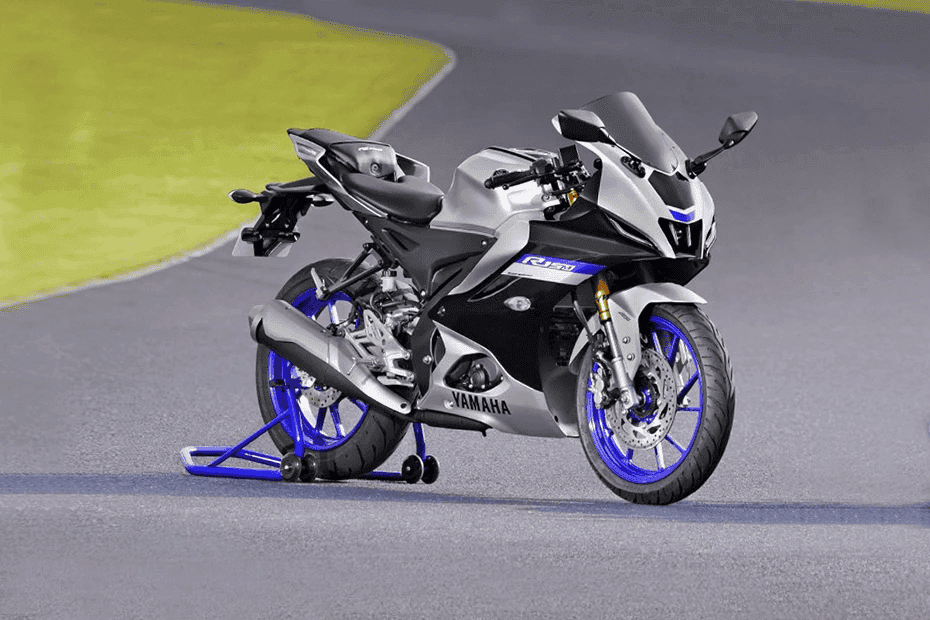
This is why a majority of sport bikes today, touring motorcycles, and high-capacity engines use liquid cooling.
Liquid-Cooled vs. Air-cooled engines: Differences in the Real World
The difference becomes evident when comparing liquid-cooled vs. air-cooled engines in day-to-day use.
Air-cooled motorcycles are mechanically rougher and are simpler to maintain, yet they run hotter on the road and can even lose power under load. Liquid-cooled motorcycles are more sophisticated, deliver a milder power delivery, are more fuel-efficient, and have a longer engine life because the motor is kept at the right temperature.
Engineering-wise, liquid cooling enables tighter engine tolerances, resulting in higher compression ratios and better combustion efficiency.
The engine's heat not only affects the machine but also the rider. Heat from air-cooled motorcycles radiates outward, making it uncomfortable during traffic congestion and on long rides. In comparison, liquid-cooled motorcycles direct most of the heat to the cooler, so it moves away from the rider’s legs. This shows a significant difference between hot weather and urban riding.
What Is the Best Cooling System for Motorcycles?
No one cooling system can be said to be the best for all riders; however, there is a best one in terms of use. In short-range applications, low operating and maintenance costs, and easy access to the engine make air-cooled engines viable. They are good, strong, and just sufficient for moderate riding.
Liquid-cooled engines are obviously better for performance riding, long-distance touring, heavy traffic, and modern emission standards. They have superior thermal management of the engine, a stable power supply, and enhanced durability.
Liquid cooling is becoming more common in the motorcycle market today as engines grow more powerful and emission standards become more stringent.
Final Thoughts
Learning about engine heat and cooling systems can help riders make better choices, such as purchasing a motorcycle, servicing it, or being a more responsible rider. The cooling systems cannot be regarded only as background items: they influence the efficiency and safety of the motorcycle’s functioning. Be it the ease of an air-cooled power unit or the advanced cooling of a liquid-cooled unit, appropriate heat management is what makes a motorcycle run mile after mile.
Frequently Asked Questions
1. What does a motorcycle cooling system do?
The cooling system on a motorcycle regulates the engine's heat, keeping it within a safe, efficient temperature range.
2. What happens to an air-cooled engine during the ride?
An air-cooled engine removes heat into the air through engine fins and natural airflow during operation.
3. How does a liquid-cooled engine deal with engine heat?
A liquid-cooled engine contains coolant that absorbs heat from the engine and releases it through the radiator.
4. Which engine cooling system is superior?
Liquid-cooled engines offer superior heat control and performance, whereas air-cooled engines are more straightforward to maintain.
5. Is there a possibility of engine overheating causing harm to a motorcycle?
Yes, excessive engine heat can cause a loss of power, oil breakdown, and permanent damage.