What Causes Steering Wheel Vibration at 80-100 km/h?


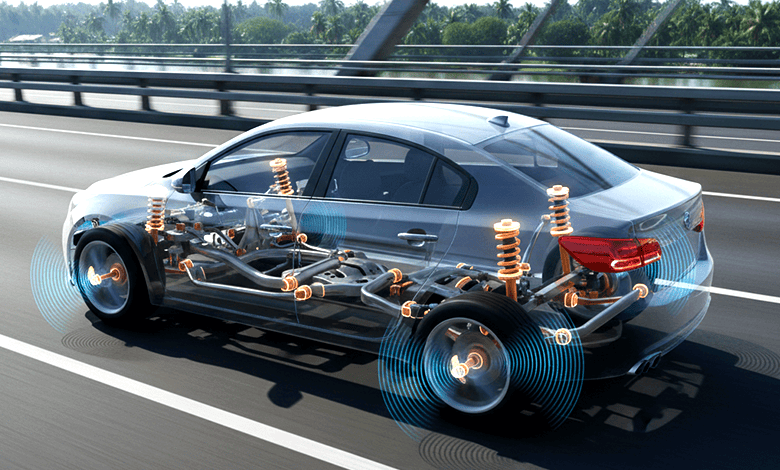
Safe driving is all we want while driving a vehicle. Yet mishaps can happen and cause significant damage to our vehicles and lives. One common issue we see with cars is steering wheel vibration at 80-100 km/h. At higher speeds, this vibration can shake the vehicle and make the driving experience unpleasant. In this article, we’ll figure out what causes this steering wheel shake at high speed, whether it is safe to ride with it, and what can be done to fix it.
Causes of Steering Wheel Vibration at 80-100 km/h
There are many causes of steering vibration, such as:
Dirt on Tyres
The most common reason steering wheels vibrate while driving is a balance issue that can quickly arise at high speeds if anything, like mud or dirt, becomes lodged in the wheel. The vibration problem can be resolved by cleaning frequently with a high-pressure hose.
Tire Imbalance
Tire balance is important for steering wheel vibration at higher speeds. Uneven roads, old tires, or any sharp object or nail in the tire can throw a balanced vehicle into turmoil. Yet it is also relatively easy to fix. Simply perform a wheel balance and check each tire for any damage and wear.
Misalignment of Wheels
Incorrect wheel positioning is one of the major causes of steering wheel vibration. By checking the tire’s tread, this problem can easily be solved. The tread of a misaligned car is frequently uneven, with the interior being far more worn than the exterior. All wheels can be aligned in the same direction with a basic wheel alignment.
Worn-out Wheel Bearing
The wheel bearings are safety-critical parts of the car and can cause steering wheel shake if they are broken or improperly lubricated. By raising the car safely and rocking the wheel from 12 to 6 o’clock, you can figure out the problem. It will move more if it is damaged.
Suspension Damage
The entire system can become obviously slack with only a tiny amount of motion or looseness in any one steering or suspension component. By checking visible components such as the bushings, tie rod ends, and upper or lower ball joints, the problem can be addressed. Any indications of damage need to be replaced. Moreover, loose shock mounts and broken springs must be checked and changed regularly.
Brake Pad Issue
Apart from the causes above, brake pad issues are more likely to be blamed for steering wheel vibration at 80-100 km/h. It is known as brake judder and can occur due to loose wheel bearings or disc thickness variation (DTV). Moreover, if the wheel fasteners and disc positioning screws are not properly torqued, and the slider pins are not properly lubricated, the steering wheel will also vibrate.
Solution to Steering Wheel Vibration
Leaving the dirt-cleaning issue aside, you can do little for steering wheel vibration, as there could be more issues than that. A well-known mechanic can easily identify and fix issues. And you must be careful about the road you are using and your speed while driving. Reckless fast driving could be the culprit in many cases.
Final Thought
Any one or more of these problems mentioned above, along with others, can result in steering wheel shake. Therefore, it is necessary to fix any steering wheel issues as soon as possible. Vibration problems might indicate a far more serious condition. The vehicle's stability and safety could be compromised if these issues are ignored for a long time. As soon as you resolve the issues, you will save time, money, and even your life.
Frequently Asked Questions
1. What causes steering wheel vibration at 80-100 km/h?
Dirt on the tires, tire imbalance, wheel misalignment, worn wheel bearings, suspension damage, and brake pad issues are among the major causes of steering vibration at high speed.
2. How to check if wheel bearings are working okay?
To check, raise the car’s safety and rock the wheel in the 12 to 6 o’clock positions. It will move more if it is damaged.
3. What causes the shake of the steering wheel?
Steering wheel vibration can be caused by wheel imbalance, misalignment, worn suspension parts, or brake system issues.
4. Why is balance important?
Tire balance is important for steering wheel vibration at higher speeds. Uneven roads, old tires, or any sharp object or nail in the tire can throw a balanced vehicle into turmoil.
5. Why does the brake pad issue occur?
Brake pad issues, known as brake judder, can occur due to loose wheel bearings or disc thickness variation (DTV).