Signs Your Car’s Shock Absorbers Are Failing



Car shock absorbers play a crucial role in ensuring comfortable riding and safe driving. They absorb small and large bumps on the road, maintaining proper balance and keeping the car stable. Over time, a car's shock absorbers deteriorate due to regular use or lack of service. If the shock absorbers are faulty, the car cannot absorb bumps on rough roads, potholes, or uneven surfaces. This weakens the car's handling and reduces the suspension's control. So neglecting it means increasing safety risks and repair costs.
Common signs of shock absorber failure include excessive shaking or bouncing, leaning forward during braking, abnormal tire wear or cupping, the car leaning to one side, unusual noise, oil leakage, and steering wheel vibration. This blog discusses in detail the signs of a car's shock absorber failure.
How to tell if your car's shock absorbers are failing
Ignoring the problem of the shock absorbers will also damage other related parts. This increases repair costs and reduces the car's lifespan. However, if you know the symptoms, you can get servicing done on time.
1. Feeling excessive shaking
The shock absorber controls the spring’s vibration, absorbs shocks, and keeps the car stable. Notice if you feel excessive shaking while driving, even on normal roads. If it keeps shaking, you should assume the shock absorber has lost effectiveness. In addition, if the car continues to shake for a few seconds after passing the speed breaker, or bounces more than 1-2 times, you will know the shock has weakened.
2. Leaning forward while braking
If the front of the car leans down more when braking, it indicates a problem with the shock. In addition, if the shock is weak, the rear of the car also squats excessively during acceleration. This puts extra pressure on the tires and reduces braking control. As a result, there is a risk of an accident in an emergency, especially on wet or slippery roads.
3. The car leans to one side while driving
If the car leans too far to one side while turning, this indicates a shock failure. In addition, the driver may find it difficult to maintain the car's balance when turning. Driving at high speeds with such a problem is a risk of an accident.
4. Uneven tire wear
If there is uneven tire wear, you should check the suspension immediately. If the shock absorber is weak, the tire may not be parallel to the road, resulting in uneven pressure. As a result, some parts of the tire wear out faster, while others remain like new.
5. Oil leakage from the shock absorber
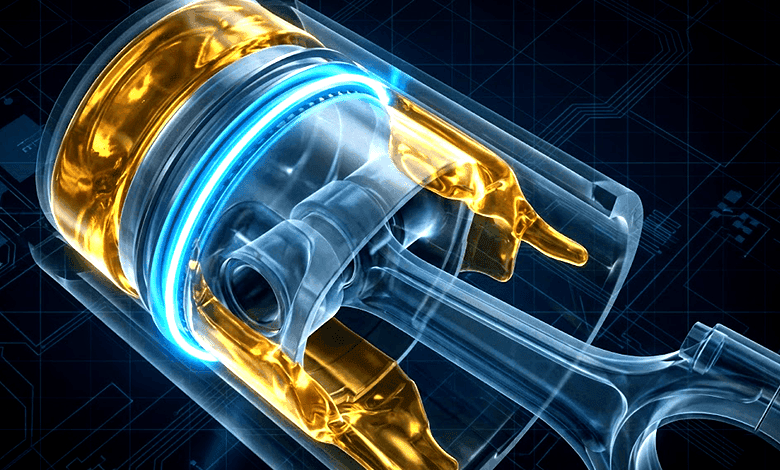
If there are oily lines or stains on the wheels or suspension, it means that the seal has broken and oil has leaked from the shock. This oil is inside the shock absorber, which controls compression and rebound through the piston. This helps reduce vehicle shaking and vibration. Without the hydraulic fluid, the damping performance drops dramatically.
6. Steering wheel and handling problems
Weak shock absorbers cause the wheels to jump. This vibration is often felt through the steering wheel via the suspension. If the shock is weak, the tire's road contact is reduced by excessive bouncing, leading to poor handling.
7. Unusual noises
If the shock is weak or bad, the car will make unusual noises. Since the shocks cannot properly absorb road shock, the various metal parts of the suspension will hit each other. This shock creates the unusual noise.
When should you replace your car's shock absorbers?
Check the bounce of your car. Push hard on one corner of the car. If the car jumps more than twice before stopping, the shocks need to be changed. If the shocks leak oil, you need to replace them. See an experienced mechanic. Check all parts of the suspension system, including mounts, bushings, and springs. It is better to replace both the front and rear shock absorbers at the same time.
Final Thought
Shock absorbers stabilize the car's suspension by absorbing the impact of speed bumps and potholes. This results in less vibration and better vehicle control. Failure to replace the car’s shock absorbers at the right time can compromise the comfort and safety of the driver and passenger. Many people pay attention to a car's exterior and engine, but ignore the suspension. Many people don't realize it is weakening, because its decay occurs slowly. If the suspension system is faulty, it can cause serious damage to the car's braking system and tires. Most importantly, security risks increase.
Frequently Asked Questions
1. What does a shock absorber do?
Shock absorbers absorb small bumps in the road, maintaining proper balance and keeping the car stable. This results in less vibration and better vehicle control. It is an important part of the car's suspension system.
2. What are the symptoms of a bad shock absorber?
Common symptoms include excessive shaking or bouncing, leaning forward during braking, abnormal tire wear or cupping, the car leaning to one side, unusual noises, oil leakage, and steering wheel vibration.
3. Is it normal to lean forward when braking?
Yes, but if the front of the car leans down more when braking, it indicates a problem with the shock absorber.
4. Can oil leak from the shock absorber?
Yes, it can. This oil is inside the shock absorber, which controls compression and rebound through the piston. If there are oily lines or stains on the wheels or suspension, it means the seal has broken, and oil has leaked from the shock absorber.
5. When will you know that the car's shock absorbers need to be replaced?
Check the bounce of the car. Push hard on one corner of the car. If the car bounces more than twice before stopping, then the shocks need to be replaced. Also, if there is an oil leak, the shocks need to be replaced.