How to Prevent Brake Disc Warping in City Traffic


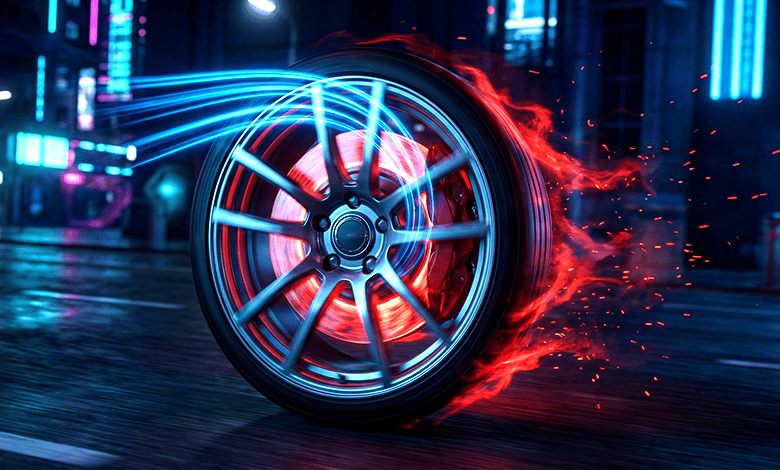
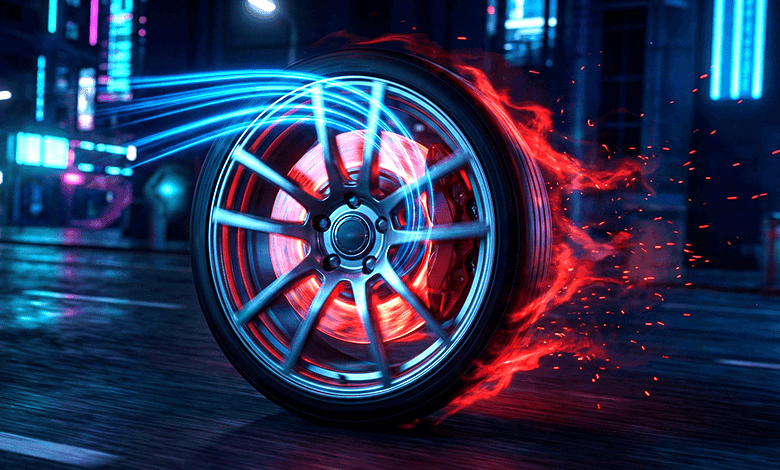
Brake disc warping refers to brake pulsation caused by an uneven rotor surface. In disc brakes, a steel rotor is bolted to the wheel hub. When the brake is applied, the brake pads press against both sides of the disc, stopping the vehicle. Due to the city's 'stop-and-go' traffic, motor vehicles have to brake frequently. Holding the brake for a long time causes excessive heat to build up in the brake disc, which then bends or warps unevenly as it cools. In addition, uneven friction damages the disc surface. This can cause the vehicle to feel a jolt or shake during braking, which can lead to accidents.
Once a brake disc warps, it typically cannot be repaired, resulting in high costs. With conscious driving habits, proper technique, and regular maintenance, such problems can be avoided. This blog discusses in detail how to prevent and protect brake discs from warping in city traffic.
Causes of brake disc warping
Frequent braking causes the disc to become extremely hot. Steel can warp in extreme heat. If rainwater or mud gets on the brake disc while it is hot, the steel compresses and becomes warped. If the brake pad wears, the heat does not spread evenly on the disc, which damages the disc surface. In addition, if the disc plate is not properly adjusted on the wheel, pressure on the disc can warp it. Vibration during braking, steering wheel shaking left and right, abnormal noise, and other symptoms are the main signs of disc warping.
Techniques to prevent brake disc warping in city traffic
1. Change the habit of holding the brake for a long time
Do not hold the brake if you are stuck at a traffic signal for a long time. Holding the brake for a long time makes the disc plate very hot. The brake pad presses on a specific area of the disc plate, which cools the rest of the plate. The disc plate warps due to uneven temperature. If you are stuck at a signal for a long time, use the neutral gear or the hand brake.
2. Brake slowly
Avoid sudden or hard braking. Reduce speed in advance rather than braking suddenly. Sudden braking causes the disc to heat up very quickly. Maintain a safe distance from the vehicle in front.
3. Avoid frequent stopping and starting
Be careful when making frequent stop-and-go maneuvers, as they can damage the brake disc. Use engine braking in low gears in city traffic. Release the brake and use the parking brake if you get stuck in a traffic jam.
4. Avoid creeping
Creeping is when the car slowly moves forward without fully releasing the brakes. This causes continuous friction between the brake pad and the disc and uneven pressure on the disc plate. As a result, the disc surface starts to deteriorate.
5. Use engine braking in traffic
Reduce your dependence on the brake disc in traffic and practice using engine braking. Use a lower gear in manual cars. In automatic cars, downshift the gear and reduce speed using the engine.
6. Do not expose hot disc plates to water
If a hot disc plate comes into contact with cold water, a 'thermal shock' occurs, which can cause the disc to suddenly cool and bend. After driving, let the disc plate cool for some time (5-15 minutes), then clean the car. Avoid splashing through deep water right after heavy braking, and don’t spray water on hot brakes.
7. Take care of the brake pads
When the brake pads wear, uneven pressure is created on the disc. If the pad wears too much, metal-to-disc friction causes scratches on the disc surface. Use heat-resistant semi-metallic brake pads and lubricate regularly.
Some more maintenance techniques to prevent brake disc warping
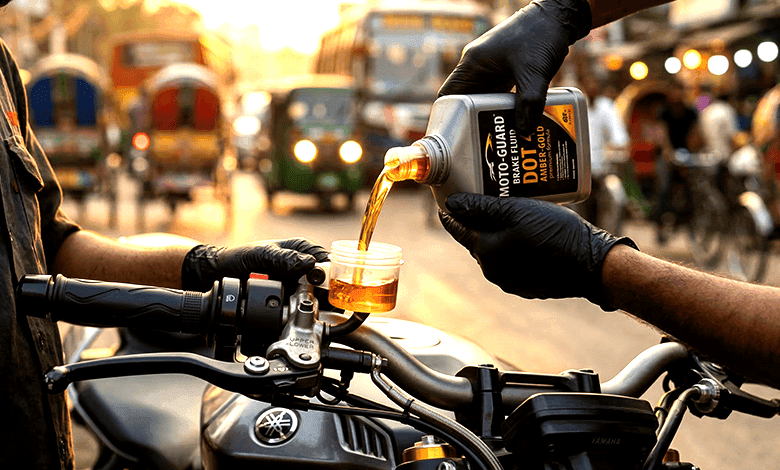
- Check the brake pads and brake fluid at regular intervals.
- Reduce excess weight on the vehicle, which increases the pressure on the brakes.
- Check the thickness and condition of the disc plates.
- Regularly check the tire pressure and suspension.
- Use ventilated or slotted discs; they dissipate heat quickly.
- Use ceramic or semi-metallic pads, which can withstand high temperatures.
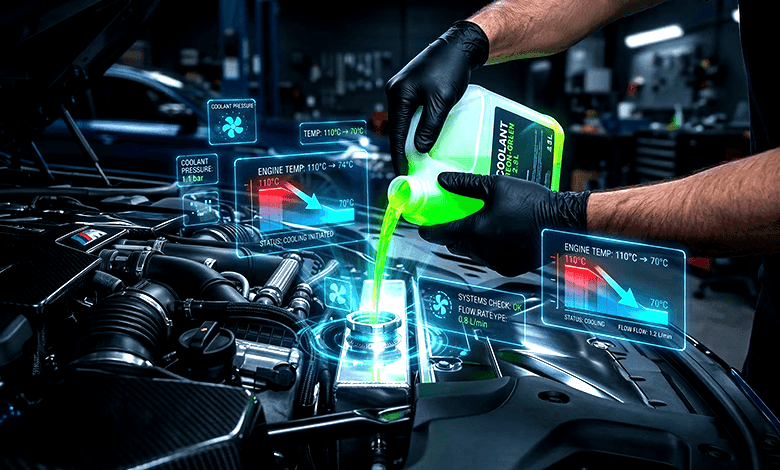
- Check the radiator and coolant regularly.
Final Thought
Brake disc warping is a common problem in city traffic. However, we should be safe from this problem to protect life and property. This problem can be easily prevented through conscious driving techniques and regular maintenance. If you avoid holding the brakes for long, avoid sudden hard braking, and use water when the discs are hot, your car's brake discs will remain strong for a long time. This will keep your car safe and help you avoid additional costs.
Frequently Asked Questions
1. What is brake disc warping?
Brake disc warping is the uneven or curved surface of the brake disc. In disc brakes, a steel rotor is bolted to the wheel hub. When the brake is applied, the brake pads press against both sides of the disc, stopping the vehicle. Holding the brake for a long time generates excessive heat, which then bends or warps unevenly when it cools.
2. What is the main reason for brake discs to heat up in city traffic?
Due to the 'stop-and-go' traffic in the city, the brakes of motor vehicles have to be applied frequently. Repeatedly pressing the brake does not give the disc enough time to cool down, causing it to overheat.
3. Is there any harm in holding the brake for a long time in traffic?
Holding the brake for a long time causes the disc plate to become very hot. The brake pad is pressed on a specific area of the disc plate, which cools the rest of the plate. The disc plate bends due to uneven temperature.
4. What damage can occur if a hot brake disc comes into contact with water?
When a hot disk plate comes into contact with cold water, a 'thermal shock' occurs, causing the disk to suddenly cool and bend. So, avoid splashing through deep water right after heavy braking, and don’t spray water on hot brakes.
5. What driving habits help keep the brake disc in good condition?
Change the habit of holding the brake for long periods: brake slowly, avoid hard braking, use engine braking, maintain distance, etc. Driving habits help keep the brake disc in good condition.