How to Detect Engine Misfiring Before Serious Damage Occurs?


Engine misfiring is one of those annoying problems that may start mildly but can quickly escalate into costly repairs if ignored. To the point, a misfire occurs when one or more of your engine's cylinders do not ignite the air-fuel mixture properly; that is, part of your engine is not working correctly.
Early detection of engine misfire symptoms can help prevent engine damage and a broken catalytic converter, while keeping your car running well and efficiently. Here is how to spot the symptoms before they become big issues.
What is an Engine Misfire?
If the engine cylinders do not fire or fire at the wrong time, an engine misfire happens. It can cause vibration, harsh running, and decreased fuel efficiency by upsetting the engine's balance. There are several reasons for engine misfiring problems, such as damaged spark plugs or ignition coils, fuel delivery issues, or mechanical failures elsewhere in the engine.
Symptoms of Engine Misfire
Early detection of engine misfire symptoms can prevent small problems from becoming serious. The most frequent warning signs are the following:
Rough Idle or Vibration
If the vehicle vibrates more than usual while idle, it indicates that one of the cylinders is not firing properly.
Power Loss & Poor Acceleration
A faulty engine cannot accelerate properly or deliver smooth power, particularly when ascending a hill or passing.
Sudden Engine Jerks
While driving, sudden hitting, jerking, and hesitation indicate a misfire in the fuel system.
Less Fuel Efficiency
Fuel that does not burn and escapes through the exhaust requires more power to operate your engine, yet it does not produce power, so it consumes more fuel.
Bizarre Noises or Unusual Exhaust Smells
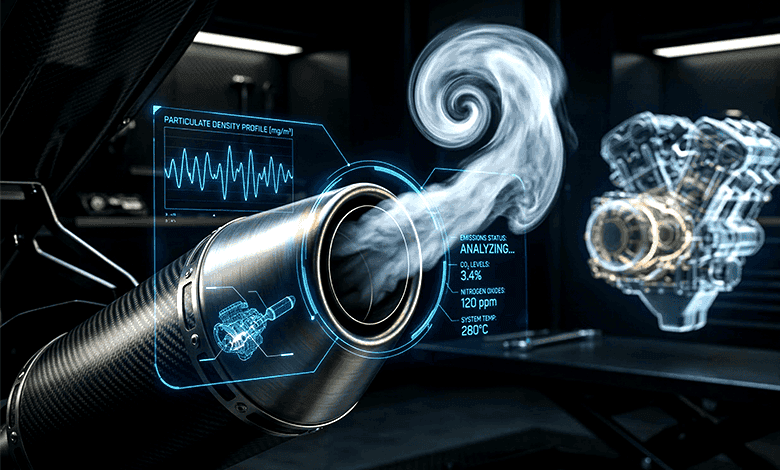
Signs of a misfire that cannot be ignored include popping, backfiring, or a strong fuel odor in the exhaust.
Common Causes of Engine Misfires
The most common causes of engine misfires are:
Ignition System Issues
- Worn or fouled spark plugs
- Faulty ignition coils
- Damaged spark plug wires
Such parts are those that wear out quickly and are easy to check.
Fuel Delivery Issues
A blocked fuel injector or a failing fuel pump can distort the air-fuel mixture, leading to engine misfiring.
Sensor & ECU Errors
Faulty sensors, such as the MAF, oxygen, or cam/crank position sensors, can send bad data to the engine computer and result in improper engine operation.
Mechanical Issues
Misfires at low compression, due to worn piston rings, valves, or a head gasket, can indicate a significantly damaged engine.
How to Prevent Misfiring?
The simplest way to detect misfires before they become an engine crisis is through preventive maintenance.
- Replace spark plugs as advised by the manufacturer
- Use good fuel and clean injectors
- When the check engine light comes on, scan it regularly
Final Thought
Early detection of engine misfiring through understanding its key symptoms and causes, and prompt action when something seems wrong, may save your car from a severe engine malfunction, keep repair costs low, and keep your ride comfortable and safe.
Frequently Asked Questions
1. What causes an engine misfire?
When combustion in one or more engine cylinders fails to occur or occurs at the wrong time, an engine misfire occurs.
2. Is it safe to drive with a misfiring engine?
It is not advisable to drive with a misfire, as it can damage the catalytic converter and lead to expensive engine maintenance.
3. Does engine misfire affect the fuel economy?
Yes, fuel economy decreases because unburned fuel is wasted rather than being converted into power.
4. How to know if the engine is misfiring while sitting idle?
If the vehicle vibrates more than usual while idle, it indicates that one of the cylinders is not firing properly.
5. What are the most common reasons for engine misfires?
Worn or defective ignition coils and spark plugs are the most common cause of engine misfires.