Why Skipping Warm-Up Can Shorten Engine Life


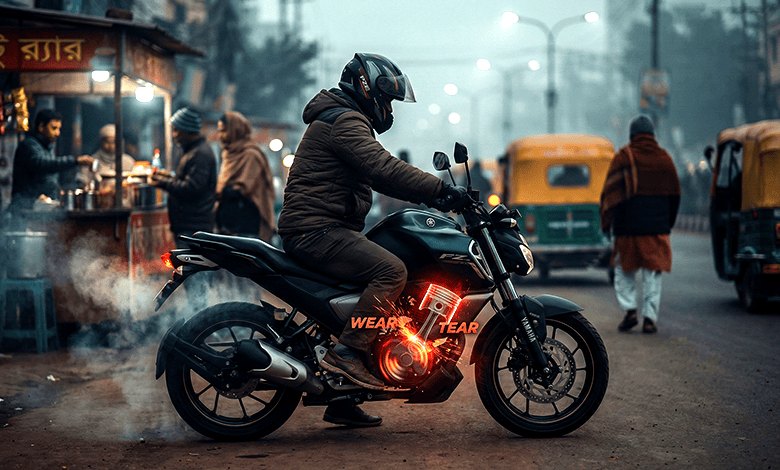
Warming up your engine is important before you decide to start driving or riding. Many drivers start their cars or motorcycles and immediately begin driving. First and foremost, you have to let the engine warm up fully. We know that modern engines do not require long idling. But skipping the warm-up process entirely can negatively affect performance and longevity. When the engine is cold, the oil is thicker, reducing lubrication efficiency and causing uneven internal expansion of components. Over time, this increases wear and tear and reduces engine lifespan. Each rider should understand the importance of a proper warm-up routine. This will help maintain engine health, improve fuel efficiency, and prevent costly future repairs.
Key Reasons Why Skipping Warm Up Damages Your Engine
1. Poor Oil Circulation
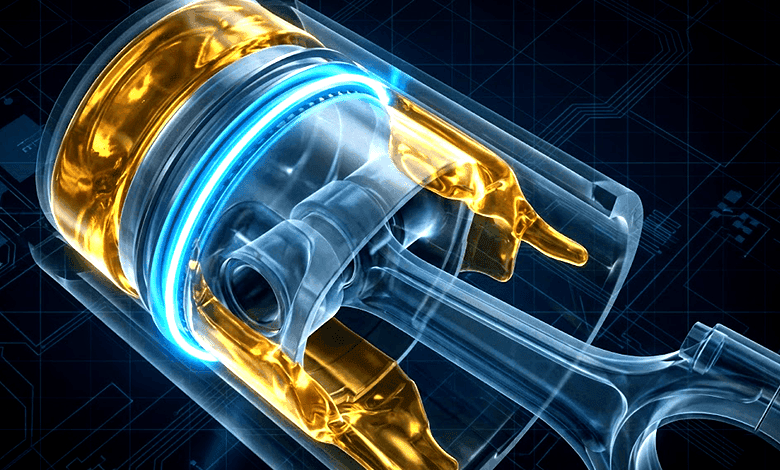
Usually, when the engine is cold, engine oil remains thicker. Thus, the engine oil flows more slowly. Immediate acceleration prevents proper lubrication of internal parts. Also, it increases friction and component wear.
2. Increased Engine Wear
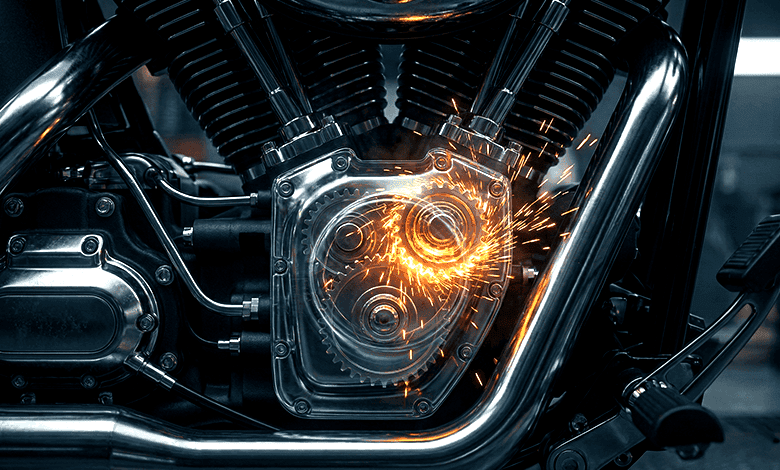
Engine components have been designed to operate at specific temperatures. When you warm up the engine, metal parts expand to their optimal clearance. If you drive aggressively before reaching the optimal temperature, it may cause metal parts to rub unevenly. It will lead to premature wear.
3. Higher Fuel Consumption
To operate smoothly, cold engines require a richer air-fuel mixture. If the engine is not allowed to warm up properly, fuel combustion becomes less efficient. So, this not only increases fuel consumption but also reduces overall performance.
4. Reduced Lubrication Efficiency
Mainly, the vital engine components, such as pistons, cylinders, and valves, rely on engine oil for protection. During the cold time, lubrication is less effective. Applying the load too quickly increases stress on these parts.
5. Increased Carbon Build Up
A cold engine often leads to incomplete combustion. Over time, this causes carbon deposits to accumulate inside the engine. Ultimately, this affects performance, fuel efficiency, and long-term reliability.
6. Stress on Internal Components
When the engine is cold, and you accelerate suddenly, there may be unnecessary strain on the bearings, crankshaft, and connecting rods. These components are more vulnerable before reaching proper operating temperatures.
7. Lower Performance in Cold Weather
Engine oil and other fluids take longer time to reach optimal viscosity in colder climates. So if you start driving immediately without a gentle warm-up, it may result in sluggish response. It may also reduce efficiency and increase mechanical stress.
8. Transmission Strain
Automatic transmission also depends on properly warmed fluid. It ensures smooth operation. Aggressive driving immediately after startup can strain transmission components. It may reduce component durability.
9. Reduced Long-Term Reliability
Repeatedly skipping warm-ups may accelerate internal wear across multiple systems. After a certain period, this bad habit can significantly shorten engine life. Also, it increases maintenance frequency.
10. Risk of Expensive Repairs
Continuous stress on a cold engine may lead to serious mechanical failures. Major engine or transmission repairs can be too costly. Basically, this often results from long-term neglect of proper warm-up practices.
Final Thoughts
There is a saying that long idling may help the engine run more smoothly, but it is wrong. Proper warm-up does not mean excessive idling. Allow the engine to stabilize for 30-60 seconds. Then drive gently until normal operating temperature is reached. This simple good habit protects internal components. It also improves engine efficiency and extends engine life.
Frequently Asked Questions
1. How long should I warm up my engine?
Usually, 30-60 seconds is more than enough. Then drive gently until the engine reaches normal operating temperature.
2. Do modern cars still need a warm-up?
Yes, modern cars need a warm-up too, but not long idling. Gentle driving after starting is sufficient for modern engines.
3. Is riding for 10 minutes good for the engine?
No, it is not good to warm up for 10 minutes. Excessive idling wastes fuel, and it causes carbon buildup. Short stabilization is enough.
4. Does cold weather increase engine wear?
Yes, surely. Cold oil flows slowly. This increases friction and internal wear during startup.
5. Can skipping warm-up reduce engine lifespan?
If you forget to warm up the engine once or twice, it may not affect. But repeated cold starts and poor lubrication can shorten the engine’s overall life.