How to Store Your Car Safely During Long Vacations or Extended Parking


Vacations are a source of relaxation for us. No alarm clocks, traffic jams, or daily rush in the mornings. Taking care of yourselves like this is necessary for a healthy life. But your car needs care too. While you’re enjoying your vacation, the car is sitting quietly in the garage. Let it stay like that for too long, and minor problems will quietly build up in your car. So please store your car safely for your long vacation as well.
Clean it before you leave it
No one wants to do this part. But to be honest, this matters a lot. Clean the car’s exterior carefully. It will keep the paint free from dust, bird droppings, and tree sap. From inside, remove food wrappers and crumbs. Tiny pieces of biscuits can bring ants and other insects to your car. Cleaning the interior will keep the car fresh and free of bad smells when you return from vacation.
Don’t forget the battery and tires
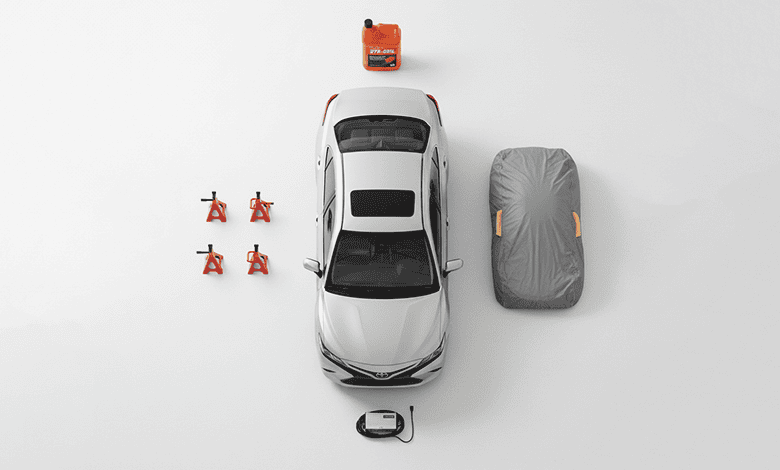
Car batteries need care, too. The battery will be slowly draining while the car sits in the garage. It won’t matter for your short trips. But if you’re going on a long journey, make sure to disconnect the negative terminal before you go. I was extra cautious before going on my 2-month-long vacation. So I used a battery maintainer. I know it sounds fancy, but it’s actually straightforward. The tires can change pressure if the car remains idle for a long time. So, you should add a little extra air. But within manufacturer limits. It would be better if someone could move the car once in a while, even a few feet will do.
Fill up the fuel tank
Moisture will be building up inside the fuel tank if it is empty. A full fuel tank reduces the risk. If you’re going away for months, just use a fuel stabilizer. Most car owners skip this and then regret it.
Pick a good parking spot
You can expect to find your car in good shape if you choose a good parking spot. So it's almost half the job. A quiet garage will do. Don’t park in open spaces because falling leaves, bird droppings, and sticky sap can quickly damage the paint. Buy a breathable car cover, not a plastic one.
Rodent problems during long-term parking
Long-term parking attracts rodents. Rats and mice can crawl through the engine bays and enter cabins. They chew wires, hoses, and insulation. Keep the interior clean and avoid leaving food inside the car to prevent these problems. You can consider using rodent repellants as well, but don’t apply them directly to components.
Preventing moisture in the cabin
Another common issue is the moisture buildup inside the cabin. Because closed cars trap humidity. This can lead to mold, bad smells, and foggy windows. Place silica gel packs and moisture absorbers to keep things dry during long parking periods.
Safety is also essential
It’s an obvious one, right? People often forget to lock everything properly before going on vacation. And it causes disasters. If you’re going away for months, use wheel chocks and don’t rely solely on the handbrake. Handbrakes tend to stick after a few weeks of no movement.
Conclusion
Does the task seem too complicated? Actually, it's worth it. People tend to forget these small things and leave for vacations in a hurry. Don’t do that. Clean the car thoroughly and take these steps to protect the car’s parts before going out, so you can find it in good condition when you come back.
Frequently Asked Questions
1. How long can a car stay parked without preparation?
Two to three weeks should be fine. Problems start building after that.
2. Should I disconnect the battery before going out?
Do it if you’re going away for a long time. Other than that, it’ll be okay.
3. Which car cover is good?
Breathable covers are better for any car. Avoid using the plastic ones.
4. Are handbrakes reliable for a long time?
Handbrakes are fine for a short time. But for more extended periods, wheel chocks are safer.
5. Do I need to start the car while it’s parked?
It would be better if someone could drive it here for a while, then every few weeks.