Why Your Motorcycle Vibrates at High Speeds: Common Causes & Fixes



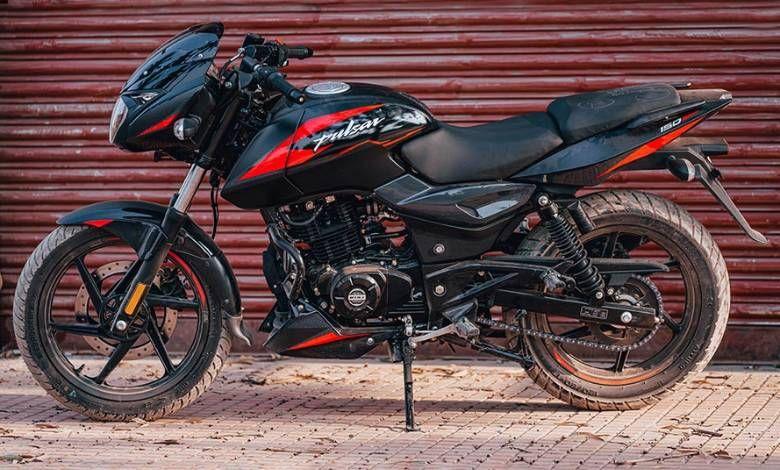
The motorcycle is designed to feel balanced and in control, even at high speed. So if you begin to experience motorcycle vibration at top speed, then you know that is a clear indication that all is not well. These vibrations are not given much attention by many riders initially, and they are assumed to be a part of riding. However, excessive vibration is a standard sign that your bike needs some care. The root cause not only enhances riding comfort but also prevents long-term damage to your motorcycle.
What makes vibration sensible at a high speed?
Minor mechanical issues remain unnoticed at low speeds. The faster the speed increases, the quicker the rotating parts turn, and the greater the number of forces. A slight imbalance or any loose part will become apparent when shaking. That is why a bike that is good in the city traffic might begin to shake terribly on the highways. High speed is a magnifier of the problems.
The Wheel Imbalance of Motorcycles: The most frequent cause
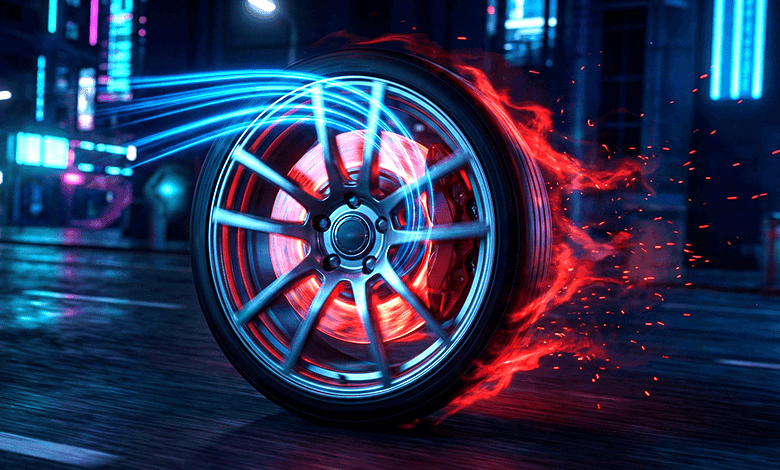
Motorcycle wheel imbalance is one of the most significant contributors to high-speed motorcycle vibration. When the weight of a wheel is not distributed in equal portions, the wheel will not move in a straight manner. Instead, it produces a wobble that increases with speed.
One tends to feel this vibration in the handlebars, which worsens as speed increases. This has been experienced by many riders as soon as they change tires or repair a puncture, especially after balancing the wheel. The solution is easy and efficient. Balancing your wheels by a professional will eliminate the vibration immediately and will put your wheels back on track.
Tire Condition and Pressure Issues
Tires are significant to the ride's stability. You may have a balanced wheel that may still vibrate due to worn or damaged tires. Irregular tread wear and a flat pad due to hard braking or old, hardened rubber may all compromise smooth road contact. The problem is also worsened by inappropriate tire pressure. Overinflated tires are very rough and bumpy, whereas underinflated tires are too flexible and create instability, particularly at high speeds. Routine tire checks and keeping tire pressure are also constructive measures for eliminating vibration.
Motorcycle Engine Vibration at High RPM
All motorcycle engines have vibration. Vibration is part of the engine operation. Nevertheless, a high vibration rate typically indicates a mechanical problem. Due to worn engine mounts, misaligned parts, or imperfect combustion, vibrations may be transmitted through the frame as engine speed increases. The single-cylinder type is known to vibrate more, and even multi-cylinder bikes can vibrate if not properly maintained. Engine vibration can be controlled through proper servicing, proper engine tuning, and ensuring the mounts are tight.
Chain, Sprocket, and Drivetrain Problems
The engine is connected to the wheel via the chain and sprockets. Vibration is inevitable if this system is not in good condition. A slack, dry, or sloppy chain worn loose produces forced strokes in power delivery. This vibrates the footpegs and seat at high speed, making a buzzing or shaking sensation. Maintaining the chain in the proper position, lubricating it, and replacing worn sprockets enhances efficient power transmission and lower vibration levels.
Steering and Suspension Wear
The instability at speed may also be due to worn steering bearings or worn suspension parts. When the suspension is unable to absorb road imperfections effectively, vibrations are transmitted directly to the rider. Even minor bumps on the road are felt more at high speeds when the suspension components are aged. Routine monitoring of steering head bearings and the suspension system helps maintain stability and comfort.
How to Fix Motorcycle Vibration Effectively
The solution to the vibration lies in finding the source, not in guessing. Primarily, the problem is addressed with the beginning of wheel balancing and tire condition. If the vibration has not been removed, inspecting the engine mounts, drivetrain, and suspension will reveal the issue. Neglecting vibration not only reduces the riding comfort but may also cause critical parts to wear out faster.
Final Thoughts
The vibration of the high-speed motorcycles should never be regarded as usual. It can be caused by an imbalance in the motorcycle wheel, tire issues, or excessive vibration of the motorcycle engine. When detected early, the solution can be straightforward.
Comfort is not the only reason to have a smooth ride; it is also about comfort, control, and confidence. Regular services and tests will guarantee the stability and fun of your motorcycle and its ability to be used on the open road.
Frequently Asked Questions
1. What causes most vibration in the motorcycles?
The most common cause of high-speed vibration is wheel imbalance.
2. Are there vibrations that can be caused by tire pressure?
Yes, when the bike is not filled with the right amount of air, it will feel unsteady, as high speed causes it to vibrate.
3. Is there vibration on the motorcycle engine?
Yes, at high RPM, engine vibration increases if the mounts are not good or the engine is not tuned correctly.
4. What can I do to correct the motorcycle vibration?
The first step is to balance the wheels and test the tires, which addresses the majority of vibration problems.
5. What is the reason handlebars shake faster?
Wheel imbalance, damaged tires, or steering components are more often the cause of handlebar vibration.