How to Maintain Your Car’s Suspension on Broken Urban Roads


Urban roads are not always smooth. Broken surfaces, potholes, and uneven patches are common in urban roads. These situations can take a heavy toll on your car’s suspension. Most drivers don’t pay attention to these issues until something starts making noise. But a little care from your end can reduce the level of wear and tear on your car’s suspension and save you some money in the long run.
Drive slowly on broken roads
A rule of thumb for you: always drive slowly on broken urban roads. You may not take it seriously, but driving slowly over bad patches matters more than you think. The shocks, springs, and bushings take hits when you hit potholes at speed. Even a small speed reduction can reduce long-term damage.
Regular inspection is key
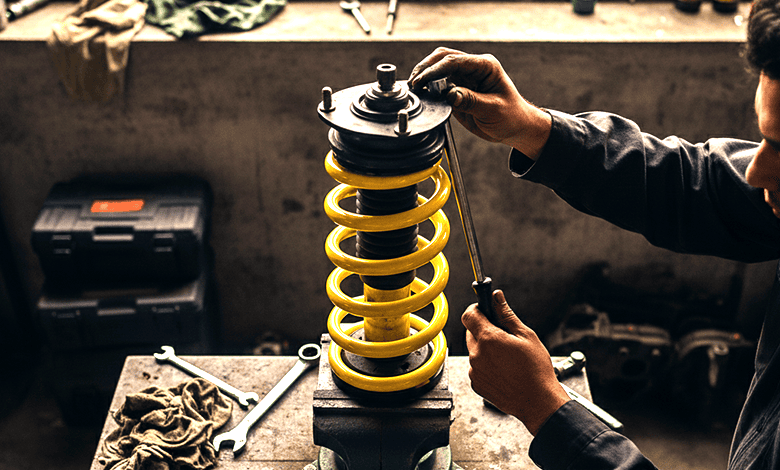
Regular inspection is another key habit in keeping your car’s suspension in good condition. Worn shocks don’t always show clear signs at first. But the car may feel bouncy or unstable during braking, or too uncomfortable over small bumps. So checking suspension components during routine servicing helps catch problems earlier.
Make sure the wheel alignment and balancing are right
If you are driving to an area with broken roads, make sure the wheel alignment and balancing are correct first. Potholes and uneven surfaces can easily knock the wheels out of alignment. This increases wear and tear. If the steering pulls to one side or tires wear unevenly, it’s usually a sign that your car’s wheel alignment needs attention.
Don’t carry an extra load on broken roads
Load management can also affect suspension health. If your car regularly carries extra weight, it increases wear and tear on the suspension components. If you regularly drive on broken roads, avoid carrying an excessive load in your car. You should also distribute weight evenly when carrying luggage or cargo.
Don’t ignore early symptoms
Never ignore unusual noises. Clunking sounds, creaks, or unusual vibrations often signal worn bushings or loose components. These problems are not going to solve themselves. So you have to take the initiative on your end and resolve these issues early so they don’t take a heavy toll on your pocket.
Conclusion
Broken urban roads are unavoidable. But we can avoid damaging our car’s suspension components due to our own ignorance. Careful driving, regular checks, and timely repairs can keep your car’s suspension in good shape. When it comes to car suspension components, a little attention goes a long way.
Frequently Asked Questions
1. How often should I check my car suspension?
You should check your car’s suspension at least once a year or during regular servicing.
2. Can potholes damage my car's suspension?
Yes. Repeated impacts can wear out shocks, springs, and bushings.
3. Can bad suspension damage tires?
Yes. Worn suspension often causes uneven tire wear and reduced grip.
4. Should I drive with worn shocks?
No. Worn shocks reduce control, braking stability, and overall safety.
5. Can overloading damage suspension?
Yes. Excess weight increases stress on suspension components and shortens their lifespan.