Why Wheel Bearings Fail Early on Rough Roads


Wheel bearings are small parts of a car, but they carry a big responsibility. They allow the car’s wheel to rotate smoothly while supporting the vehicle’s weight. Rough roads keep these components under constant stress. Many drivers don’t pay attention to the car’s wheel bearings until they start making a noise. But, by then, the damage is often already done.
Constant impact from potholes and broken roads
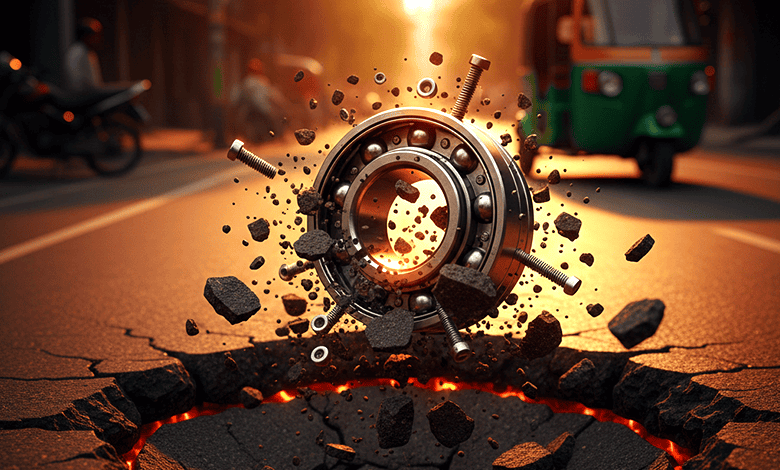
Rough roads mean repeated shocks to the wheel bearings. Every time a wheel hits a pothole or broken edge, the wheel bearing absorbs part of that impact. These impacts damage the bearing surface over time. This stress builds up very quickly in cities and on highways with uneven roads. This shortens the wheel bearing’s lifespan.
Water, mud, and dust contamination
Wheel bearings are not invincible, even when sealed. Water, mud, and dust often enter through damaged seals. Waterlogged roads during the monsoon season further shorten the lifespan of the bearings. As a result, lubrication breaks down and friction increases. This leads to early failure of the wheel bearing.
Overloading and uneven weight distribution
Carrying an extra load on rough roads puts additional pressure on wheel bearings. Some bearings must work harder than others when the load is unevenly distributed. This extra pressure speeds up wear when combined with constant shocks and vibrations from rough roads.
Poor wheel alignment and suspension issues
Rough roads can easily disturb your car’s wheel alignment out of place. Misalignment causes uneven pressure on wheel bearings. Worn suspension components also fail to properly absorb impacts. This transfers more force directly to the bearings. This combination accelerates damage without showing clear signs at first.
Ignoring early warning signs
Many drivers ignore early symptoms such as humming noises, vibrations, or slight steering instability. We may think the noise is coming from the tire or the road. But this may not always be the case. Worn wheel bearings also make such noise at first. Driving for long periods with a failing bearing increases heat and friction. This eventually leads to complete failure.
Conclusion
Wheel bearings don’t usually fail suddenly without a reason. Rough roads, contamination, overloading, and neglected maintenance all contribute to early failure. If we respond to the early warning signs, this can help extend the life of wheel bearings and prevent costly repairs.
Frequently Asked Questions
1. What are the first signs of a failing wheel bearing?
Noise, vibration, and slight steering instability are common early signs.
2. Can potholes damage wheel bearings?
Yes. Repeated impacts from potholes put excessive stress on wheel bearings, which can damage them over time.
3. Does driving in water affect wheel bearings?
Yes. Water can enter through damaged seals, reducing lubrication effectiveness. This increases the friction and shortens the bearing's lifespan.
4. Is wheel bearing failure dangerous?
Yes. A failed wheel bearing can affect steering control and, in extreme cases, cause wheel separation.
5. How can wheel bearing failure be prevented?
You can avoid wheel bearing failure by avoiding rough driving, maintaining proper load limits, ensuring good suspension condition, and inspecting bearings when unusual noises appear.