How to Reduce Brake Fade During Long Highway Drives


Long highway drives are a source of relaxation. Traffic is usually lighter, making driving feel smooth and effortless. But this places sustained thermal stress on your car’s braking system from continuous high-speed driving. One common issue here is brake fade during long drives. It reduces braking effectiveness and can become dangerous if ignored. Let’s dive deep into why brake fade happens and how to reduce it.
What is brake fade?
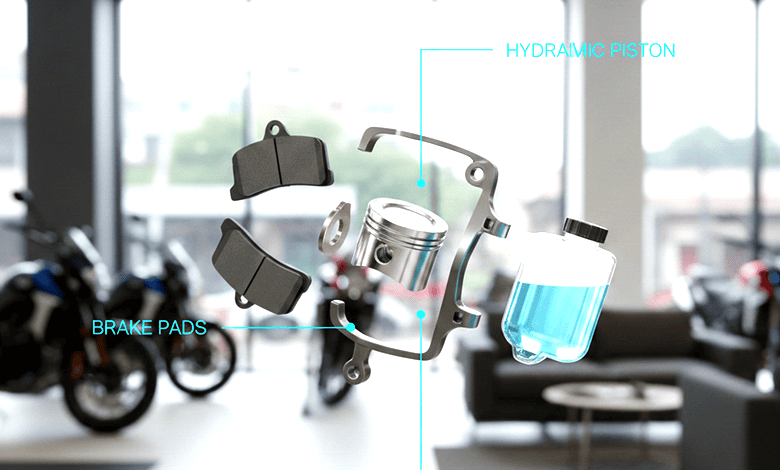
Brake fade occurs when the braking system overheats and loses efficiency. Repeated braking during long highway drives causes excessive heat buildup in brake pads, rotors, and brake fluid. When the temperature reaches a certain point, the brake pads lose friction, and the brake fluid starts to boil. This makes the brake pedal feel soft and increases the stopping distance.
Avoid riding the brakes
Many drivers keep a foot lightly on the brake pedal just in case they need to stop suddenly. This habit is one of the biggest causes of brake fade. Keeping the brake slightly pressed for long periods generates constant heat. Instead, brake only when necessary and apply firm, controlled pressure to slow down efficiently.
Use engine braking wisely
Engine braking is very effective during long drives. It helps slow the car down without overusing the brakes. This reduces heat buildup in the braking system and helps maintain braking performance. Engine braking is most useful in manual transmission cars, but it also works in automatic cars with low gears.
Maintain a safe following distance
Maintaining a proper following distance gives you more time to react and brake gradually. Sudden braking from high speeds generates intense heat, increasing the risk of brake fade. A safe following distance allows smooth deceleration and keeps brake temperatures under control. On highways, maintaining slightly more distance than in city driving is a smart habit.
Ensure good brake system condition
The risk of brake fade increases significantly when brake components are already worn or poorly maintained. Old brake pads, thin rotors, and degraded brake fluid cause the brake system to overheat faster. Regular inspection of brake pads, discs, and calipers, and timely replacement of brake fluid, helps prevent overheating. You can also use quality brake pads suited for highway driving.
Take breaks during long drives
Regular breaks during long highway drives are beneficial not only for the driver but also for the braking system. Stopping every few hours allows the brakes to cool naturally. This simple habit significantly reduces the risk of brake fade and also helps reduce driver fatigue.
Conclusion
Brake fade is a serious issue during long highway drives, but it is largely preventable. Smart driving habits, proper braking techniques, good vehicle maintenance, and regular breaks work together to keep your brakes effective. By following these steps, you can enjoy safer and more confident highway journeys.
Frequently Asked Questions
1. What is brake fade?
Brake fade is a condition where the braking system loses effectiveness due to excessive heat buildup.
2. Is brake fade permanent damage?
No. Mild brake fade usually goes away once the brakes cool down. However, repeated overheating can cause permanent damage to brake components.
3. What is the safe following distance?
On highways, a minimum following distance of 3 seconds is recommended under normal driving conditions.
4. Does brake fluid cause brake fade?
Yes. Old or low-quality brake fluid can boil at high temperatures, increasing the chances of brake fade.
5. How can brake fade be prevented on long highway drives?
Avoid riding the brakes, use engine braking, maintain a safe following distance, keep the braking system well maintained, and take regular breaks.