Safe Braking Techniques for Motorcycles on Wet Asphalt



Safe braking on wet asphalt is considered one of the most important riding skills for a motorcycle driver, as a simple error can quickly escalate into a serious accident. When roads are wet, tire grip decreases, braking distances increase significantly, and the risk of skidding rises if proper techniques are not followed. In simple terms, unsafe braking on wet asphalt is applying the brakes incorrectly, which results in a loss of traction and control for a rider.
Learning safe braking techniques at an early age helps avoid wheel lockup and skidding, reduces the risk of costly crashes, and provides a smoother, more confident ride in rainy conditions. Here is how riders can learn to brake on wet roads and apply proper techniques before situations become dangerous.
Why Is Braking on Wet Asphalt Risky?
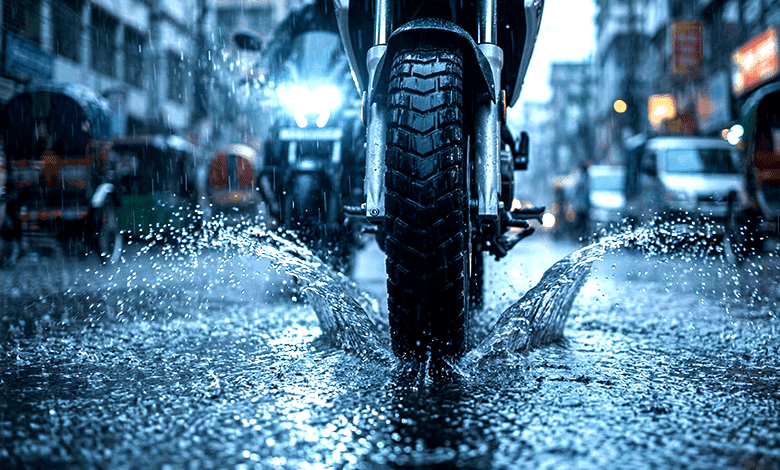
Wet asphalt braking risk occurs when a motorcycle's tires lack adequate traction with the road surface during braking. Water forms a thin layer between the tire and the asphalt, reducing friction and increasing the distance needed to stop. If braking force is applied suddenly or unevenly, the tires can skid rather than slow the motorcycle, resulting in instability and or a fall.
Symptoms of Poor Braking on Wet Roads
Identifying early warning signs of poor braking technique can help riders correct mistakes before losing control. The most common signs are the following:
Wheel Skidding or Sliding
If either the front or rear wheel slides during braking, it is a warning that there is too much or too sudden braking pressure on a wet surface.
Longer Stopping Distance
When the motorcycle takes longer to stop and has to travel farther to stop, it indicates decreased traction due to wet asphalt.
Sudden Loss of Bike Balance
Unstable handling or wobbling while braking, disparity in the application of brakes, or braking when leaning.
Rear Wheel Lock-Up
Overusing the rear brake in wet driving often causes the rear wheel to lock and start to slide sideways.
Common Causes of Braking Problems on Wet Asphalt
The very common reasons that provide brakes problems in wet weather are:
Abrupt Brake Application
Sudden braking does not give the tires enough time to grip the road properly.
Poor Front and Rear Brake Balance
Using only one brake or pushing down on the rear brake unbalances the braking system, increasing the likelihood of skidding.
Braking While Leaned
When thrown into a corner, the brakes will reduce available traction and increase the likelihood of a slide.
Worn Tires or Low Tread Depth
Tires that are under-treaded cannot effectively dissipate water, resulting in loss of grip.
High Speed in Wet Conditions
Riding too fast on wet asphalt leaves little room for smooth, controlled braking.
How to Brake Safely on Wet Asphalt?
The best way to ensure safe braking in wet conditions is to practice proper riding techniques regularly.
- Reduce speed early, and of course, anticipate stops
- Brakes should be smoothly and progressively applied
- Balance the use of the front and rear brakes
- Keep the motorcycle as upright as possible while braking
- Maintain an additional following distance from other vehicles
- Make sure you have good-condition tires and brakes
Performing these habits regularly helps riders to boost confidence in rainy weather.
Final Thought
Safe braking techniques on wet asphalt require proper awareness, patience, and smooth control of the rider. By understanding how wet surfaces affect traction and by practicing slow, even braking, riders can greatly reduce the risk of skidding or losing control.
Frequently Asked Questions
1. What causes traction loss while braking on wet asphalt?
Water reduces friction between the tire and the road, causing wheels to skid during braking.
2. Is it safe to use the front brake on wet roads?
Yes, the front brake is safe on wet roads if applied smoothly and progressively.
3. Should I rely more on the rear brake in the rain?
No, if a rear brake is overused, it can cause the wheel to lock up.
4. How do I know that I am braking too hard on wet roads?
Wheel slippage, ABS activation, or sudden loss of balance are just some signs that too much braking power is being applied.
5. Do tires have an impact on wet asphalt braking?
Yes, proper tire tread depth and correct air pressure significantly improve grip and braking safety on wet asphalt.