How to Drive Safely Near Buses, Trucks, and Rickshaws


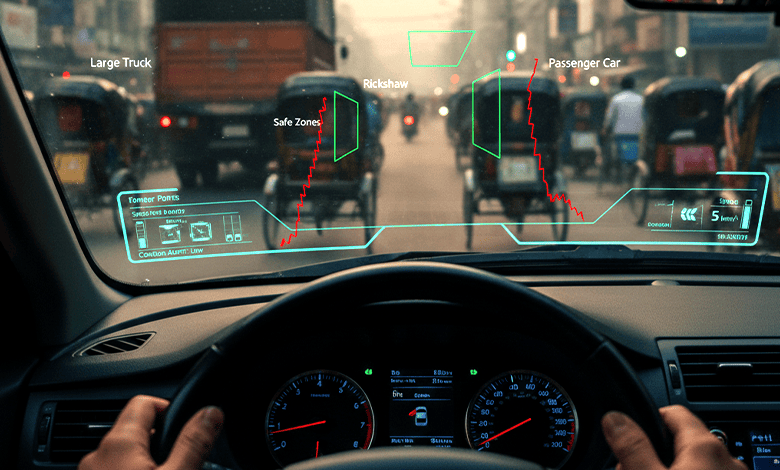
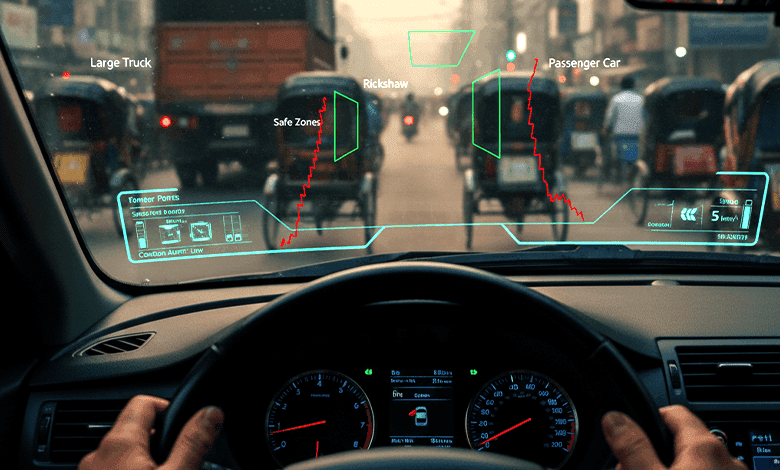
Road accidents have become a common occurrence in our everyday lives. There are many vehicles we use daily for commuting. For the drivers, safe driving is a must. Driving near large or slow-moving vehicles, such as buses, trucks, and rickshaws, requires extra care. Why? These vehicles often have limited visibility, wide turns, and longer stopping distances. Many accidents occur because drivers underestimate the size or speed of these vehicles. To stay safe, maintain a proper distance, anticipate sudden stops, and avoid blind spots. Don’t panic while you are driving. Stay calm, patient, and focused on the road. By following careful driving habits, you can drive safely around these vehicles. Also, it will prevent collisions in busy traffic conditions.
Tips to Drive Safely Near Buses, Trucks, and Rickshaws
1. Maintain a Safe Following Distance
Buses and trucks are heavy vehicles. They need significantly more distance to stop. If you drive too close to them, sudden braking can lead to a serious crash. Always try to keep extra space between your vehicle and the one ahead. Then you will get enough time to react safely in emergencies.
2. Avoid Blind Spots
Large vehicles have wide blind spots on both sides and directly behind them. Avoid these spots. If you stay in these areas, the drivers will be unable to see you. Move through blind spots quickly. Park your vehicle in a position where you are clearly visible.
3. Be cautious When Overtaking
Overtaking is very dangerous. Overtaking buses or trucks should only be done when the front road is absolutely clear. Never cut in sharply after overtaking. Why? Because large vehicles take much longer to slow down. Give them proper space before getting back to your lane.
4. Watch for Wide Turns
Usually, buses and trucks need extra room when turning. They may swing wide before finishing a turn. Please slow down, keep a distance, and never try to pass them while they are turning.
5. Signal Clearly and Early
A signal is very important when you are driving a vehicle. Using turn signals early helps other drivers understand your intentions. Using clear signals gives buses, trucks, and rickshaw drivers enough time to react. It helps reduce the risk of sudden braking or unexpected accidents.
6. Anticipate Rickshaw Movements
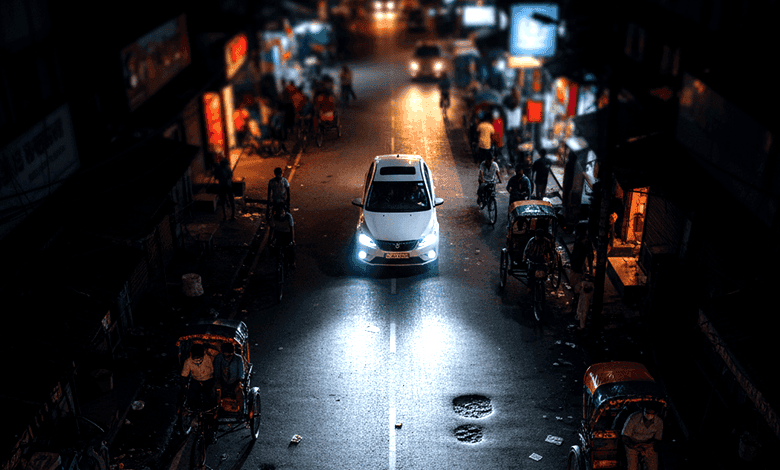
Rickshaws in Dhaka city can be unpredictable in dense traffic, especially the auto rickshaws. Rickshaws often stop, slow down, and change direction without warning. When you're driving near them, reduce speed and stay alert. Anything can happen. So expect unpredictable movements and be ready to adjust your position.
7. Stay Visible
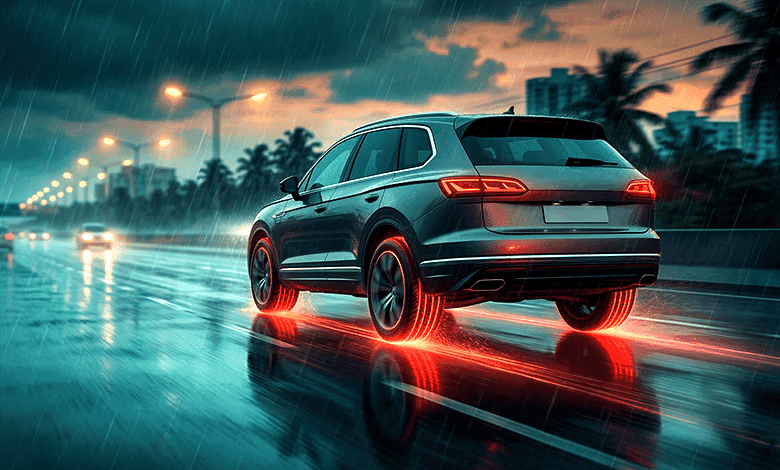
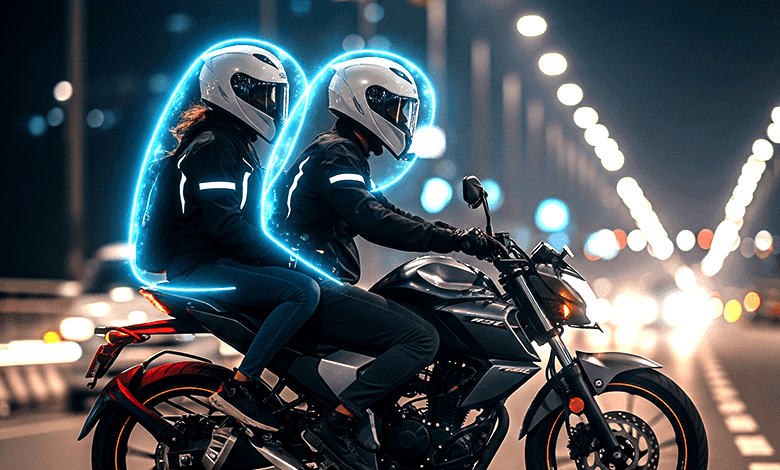
Visibility is very important while driving on highways, in traffic, or on normal roads. Make sure other drivers can see you clearly, especially in low light and traffic. Use headlights when needed. Avoid driving too close behind large vehicles.
8. Avoid Distractions
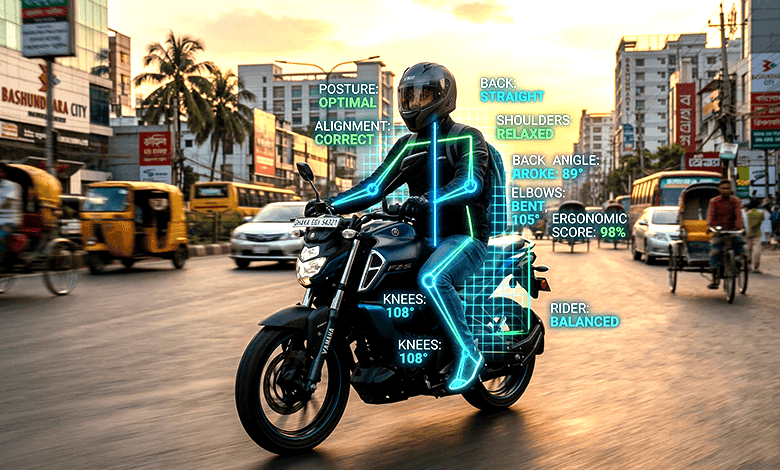
Your attention while driving is absolutely mandatory. Driving near large or slow-moving vehicles needs full attention. Avoid using phones, adjusting music, and making sudden lane changes. You have to be focused. That will help you react quickly in unexpected situations.
9. Be Patient in Traffic
Don't rush when you’re driving in congested areas. Trying to rush past buses or trucks increases the risk of accidents. Accept slower speeds, wait for safe gaps. Understand the size and limitations of larger vehicles.
10. Check Vehicle Readiness
Before entering busy roads, ensure your brakes, lights, and mirrors are working properly. A well-maintained vehicle not only performs well but also gives you confidence to drive.
Final Thoughts
Driving safely around buses, trucks, and rickshaws requires patience, awareness, caution, and defensive driving skills. Try to keep a safe distance and remain visible. Also, always anticipate other vehicles and movements. In crowded cities like Dhaka, safety should always be your first priority.
Frequently Asked Questions
1. How close can I follow a bus or truck?
You can follow a bus or a truck, maintaining at least a 3-4 second gap, or move in heavy traffic. It will help you in safe braking and reaction time.
2. Can I overtake a rickshaw in heavy traffic?
Yes, but when there is no vehicle ahead. Do not overtake in tight or congested areas or when you can't determine the distance to the vehicles in the other lane.
3. How do I avoid blind spot accidents?
To avoid blind spot accidents, avoid staying beside or directly behind large vehicles. Move through blind spots as early as possible and stay visible.
4. Should I signal near buses and trucks?
Absolutely yes. Early and clear signalling helps large vehicle drivers anticipate your actions. It also helps respond safely.
5. What precautions should I take when a bus or truck turns?
When a bus or truck turns, stay alert first and foremost. Slow down, give extra space, and never try to pass while the vehicle is making a wide turn.