Riding with a Pillion: Safety Rules Many Riders Ignore


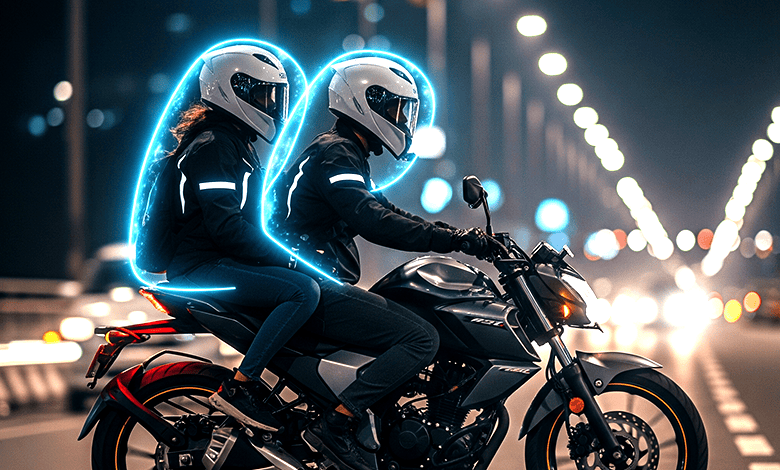
Riding a bike becomes much more exciting and enjoyable if there’s a pillion passenger. But it also comes with responsibilities. The bike’s balance and braking-to-acceleration dynamics change when there’s an additional change in the bike’s weight. If it is done properly, it's safe and enjoyable for riders and passengers. By following safety rules, hazardous situations can be avoided. But if anything goes wrong, it can be dangerous for both rider and pillion passenger. However, there are a few things riders ignore when they go for a ride.
Safety Rules Riders Ignore
Helmet bumps into Pillion
Because of abrupt acceleration or braking, the pillion can bump into the helmet. To avoid this situation, smooth braking and throttle transition are needed.
Ignoring Suspension Setup
Bike setup is important for pillion riding. Rear suspension should be adjusted to maintain extra load and balance. Rear Shock Bottoms Out if there's too little preload. So adjusting the suspension is a necessity.
Using Headlights
When riding at night, the extra weight at the back of the bike causes the bike to lean the headlights upwards, so the rider must adjust them.
Two-Stage Braking
Using a two-stage braking approach for releasing the extra weight prevents lurching. The same goes for clutch and gear changes. The rider is riding harshly if the helmet bumps. Sudden front-load transfer can cause harsh braking. To avoid two-stage braking, a gentle release would be a nice choice.
Clear Communication
Clear communication is extremely important in these pillion-riding situations. It's not about showing riding capacity, but about another person's safety, which is also a task here. Simple signals, such as tapping on shoulders or giving a thumbs-up or thumbs-down to stop, can be used for clear communication and prevent hazardous situations.
Using Proper Safety Gear
In most accident cases rider and pillion passenger do not wear safety gear. Protective gear, such as helmets, gloves, jackets, trousers, and visors, is an absolute lifesaving instrument for Pillion Riding. Also, most of the time, pillion passengers forget to grab rails or handles. It’s very important to follow all safety rules.
Right Cornering
It becomes difficult to corner the bike with a pillion rider. The bike might feel unstable mid-corner because of the pillion stiff or leaning incorrectly. Pillion passenger must encourage the rider to look through the turn and stay relaxed.
Final Thoughts
Riding with a pillion can be much safer when riders focus on smoothness and preparation, not speed. Ride slightly forward and sit softly such that the rider's helmet does not continually hit the pillion. Beforehand, tighten the rear suspension preload to compensate for the additional pillion weight, and tilt the headlight down to avoid blinding oncoming traffic. Always use two-stage braking: apply light braking pressure initially to alert the pillion, then brake heavily if needed, rather than applying hard braking that can cause loss of balance. Ensure clear communication by using only simple signals to let the pillion know when slowing, turning, or stopping. Ensure the pillion is well equipped with the right safety gear, including a good helmet and covered shoes, and take slower roundabouts with smooth lean-ins to ensure that both the rider and the pillion passenger are stable and self-assured during the ride.
Frequently Asked Questions
1. What safety rules are mostly ignored while pillion riding?
Helmet, pillion, suspension setup, using headlights, two-stage braking, rough, hard braking, clear communication, and proper safety gear are safety rules that are mostly ignored while pillion riding. Right cornering is also a safety rule.
2. What is the difference between riding solo and riding with a pillion?
The difference between riding solo and riding with a pillion is that the balance and braking-to-acceleration dynamics change with extra weight.
3. How can helmet bumping be avoided with a pillion?
To avoid helmet-bumping situations, smooth braking and throttle transitions are needed.
4. Riding with a pillion, why is two-stage braking important?
Using a two-stage braking approach is important for reducing the extra weight and preventing lurching.
5. Why is clear communication so important when carrying a pillion?
Clear communication is extremely important in these pillion-riding situations, as it's not just about showing riding capacity; another person's safety is also a priority.