Safe Lane-Changing Techniques in Congested Traffic


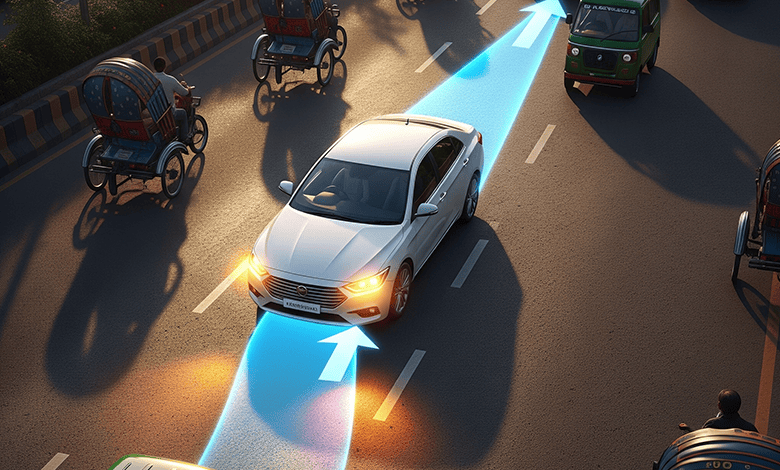
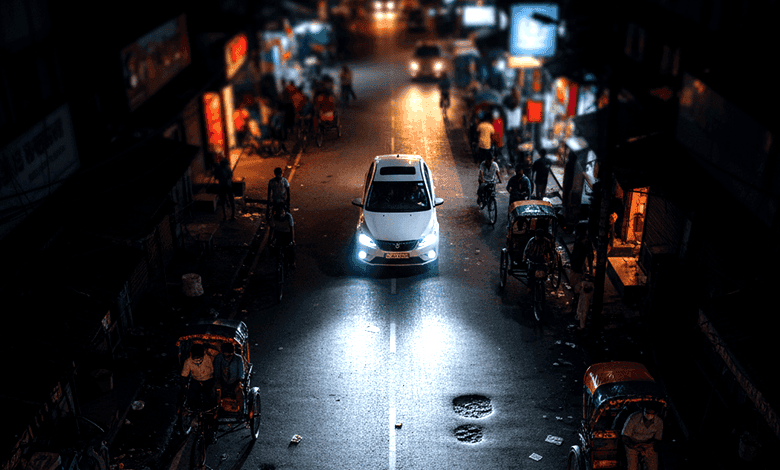
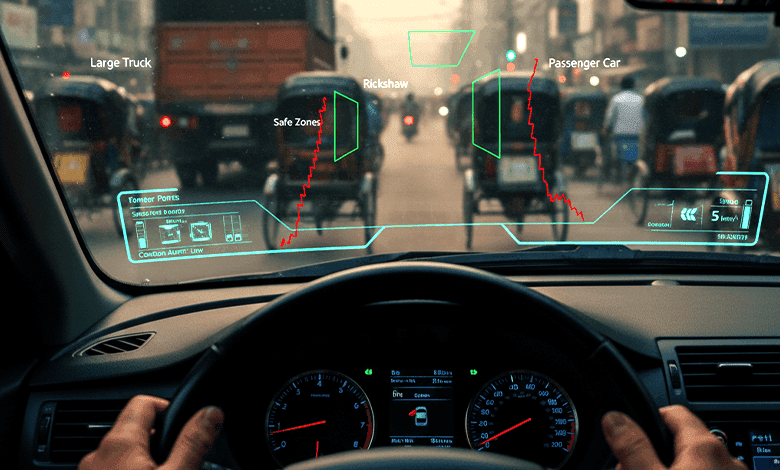
Lane changes in heavy traffic are risky and can create chaos. All types of vehicles, including rickshaws, battery-powered auto rickshaws, CNG, motorcycles, buses, and trucks, ply the roads of Bangladesh. In addition, many pedestrians use the sidewalks on both sides of the road. However, many of these vehicle drivers and pedestrians do not follow traffic rules and regulations. Many people get impatient when stuck in traffic jams and try to change lanes hastily. This further increases traffic congestion and significantly increases the risk of crashes.
Traffic jams have now become an integral part of urban life in Bangladesh. Safe lane changes are important not only for your own safety, but also for the safety of other drivers and pedestrians on the road. Therefore, it is very important to know the safe lane-changing techniques in congested traffic. This blog discusses in detail the techniques and effective methods for safely changing lanes in traffic.
Ways to change lanes safely in traffic
1. Prepare and observe in advance
Monitor the distance of the vehicles around you. Do not change lanes suddenly; decide before changing lanes. You should pay close attention to the movement of nearby vehicles, traffic signals, and even the signals from other drivers.
2. Check the rear-view mirror and blind spot
A driver should look properly into the rear-view mirror and be aware of the blind spot. Not everything can be seen in the car's rear-view mirror. Some parts are hidden, forming a blind spot. Before changing lanes, check your rear-view and side mirrors. Use the rear-view mirror to observe which types of vehicles are in the adjacent lane and at what speed they are approaching.
3. Use the right indicator at the right time
Give the indicator signal before changing lanes. If the indicator signal is seen, the driver behind will understand your instructions. Before turning the car, give the indicator signal at least 3-5 seconds before. Do not brake suddenly without giving a signal.
4. Adjust speed while maintaining a safe distance
Adjust speed while maintaining a safe distance while changing lanes in traffic. Do not suddenly increase or decrease speed. Adjust your vehicle speed to the speed of the vehicles in the lane you are trying to enter. Change lanes slowly while maintaining a safe distance.
5. What to do after changing lanes
If everything is fine, turn off the indicators. Maintain speed and stabilize the car. Maintain a safe distance from surrounding vehicles. Check everything around you in the rear-view mirror. Avoid tailgating and overtaking.
Some emergency precautions and some more effective methods for safe lane changes
- Do not change multiple lanes at once.
- Obey road signs or markings. Lane changes cannot be made if there is a continuous white line in the middle of the road.
- Watch the vehicle's brake lights as you change lanes.
- Do not honk unnecessarily; excessive honking confuses.
- Keep enough space between the vehicles in front and behind.
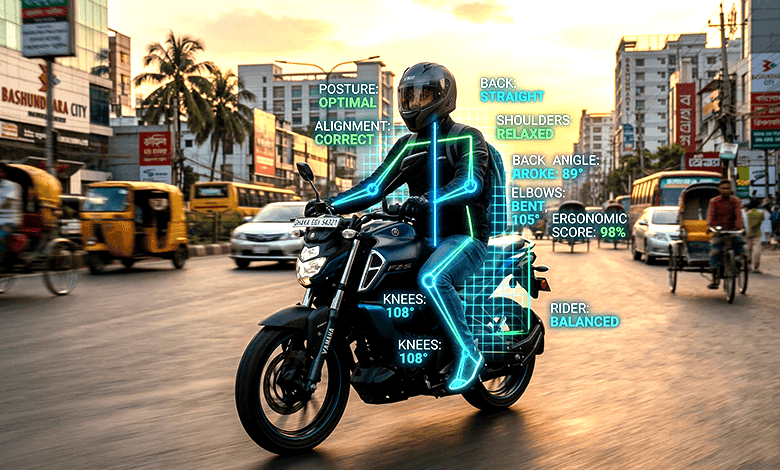
- Watch out for battery-powered rickshaws and motorcycles.
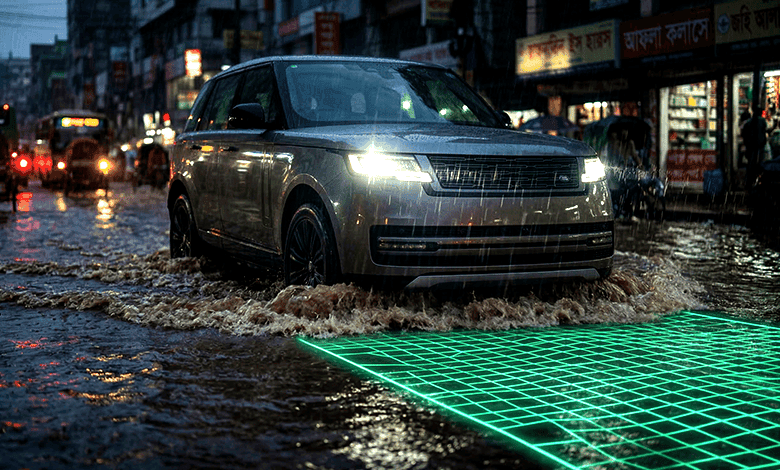
- Use extra caution when changing lanes in rain, fog, and on dark roads.
- Use hand signals when necessary, as many people in Bangladesh ignore indicator signals.
- Large vehicles have large blind spots, so changing lanes next to buses or containers is risky.
- Avoid using or talking on a mobile phone while driving.
Final Thought
Driving in congested traffic is quite challenging. In such a situation, even a minor mistake or a rush to change lanes can cause a major accident. You should not try to force your way into the lane. Be patient and wait for the signal. When changing lanes, drive carefully, obey traffic signals, and handle the situation with patience. You need to be patient enough to handle chaos and even the mistakes of others. This can save you a lot of trouble in any unwanted situation. Safe lane-changing techniques are not only a matter of skill; they also depend on the driver's patience and awareness.
Frequently Asked Questions
1. What to do before changing lanes in heavy traffic?
Monitor the distance of the vehicles around you. Check the rear-view mirror and blind spot. Use the right indicator at the right time. Change lanes slowly by maintaining a safe distance. It is safer to avoid changing lanes in heavy traffic unless it is an urgent need.
2. What is a blind spot?
Not everything can be seen in the car's rear-view mirror. Some parts are hidden, forming a blind spot. The blind spot of large vehicles is large, so changing lanes next to a bus or container is risky.
3. What is the correct rule for using indicators?
Give the indicator signal before changing lanes. If the driver behind you sees your indicator, he will understand your instructions. Give the indicator signal at least 3-5 seconds before. Do not brake suddenly without giving a signal.
4. What to do if another car in a traffic jam does not give you space?
You should not try to force your way into the lane. Be patient and wait by signaling. When changing lanes, you have to drive carefully and handle the situation with patience. You have to be patient enough to handle chaos and even the mistakes of others.
5. Is it mandatory to obey 'road signs'?
It is mandatory to obey road signs or markings. Lane changes cannot be made if there is a continuous white line in the middle of the road. Traffic police can issue fines for unnecessary and dangerous lane changes.