How to Reduce Fuel Wastage in Daily Short Trips


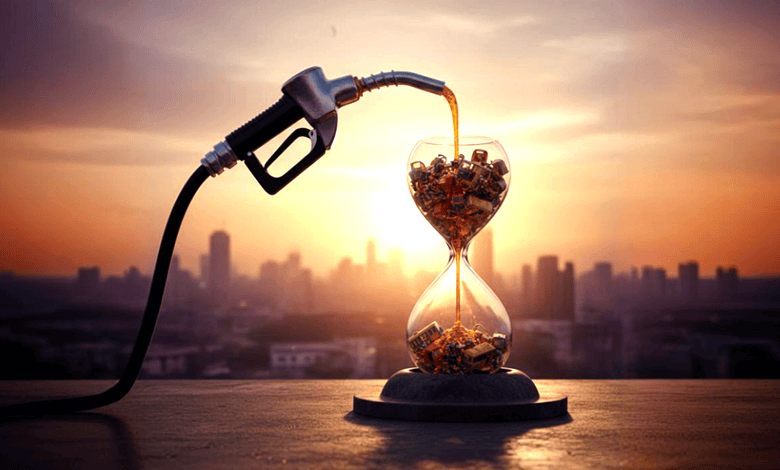
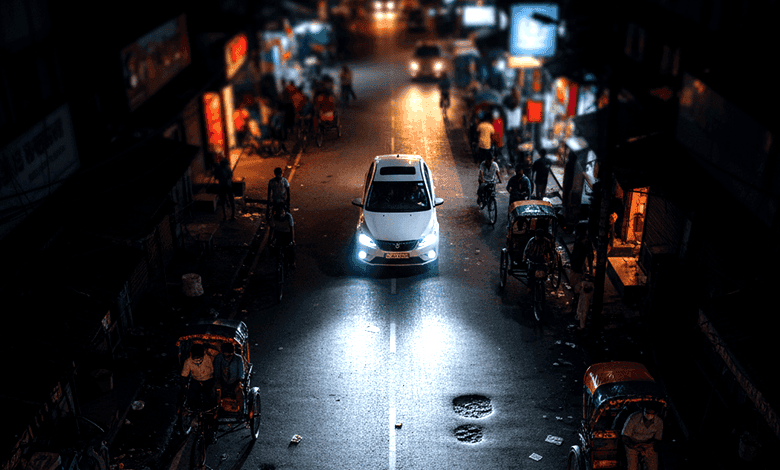
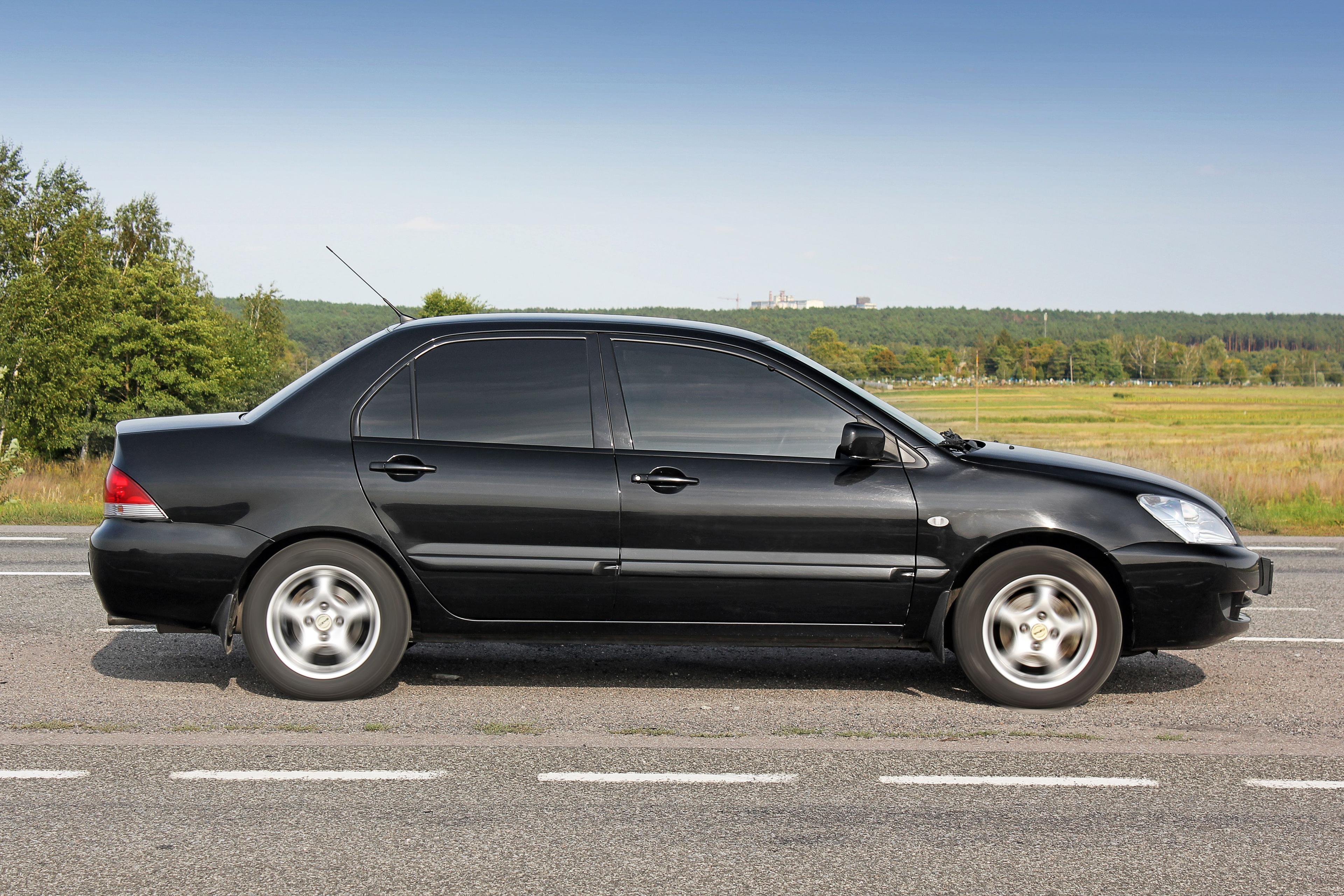
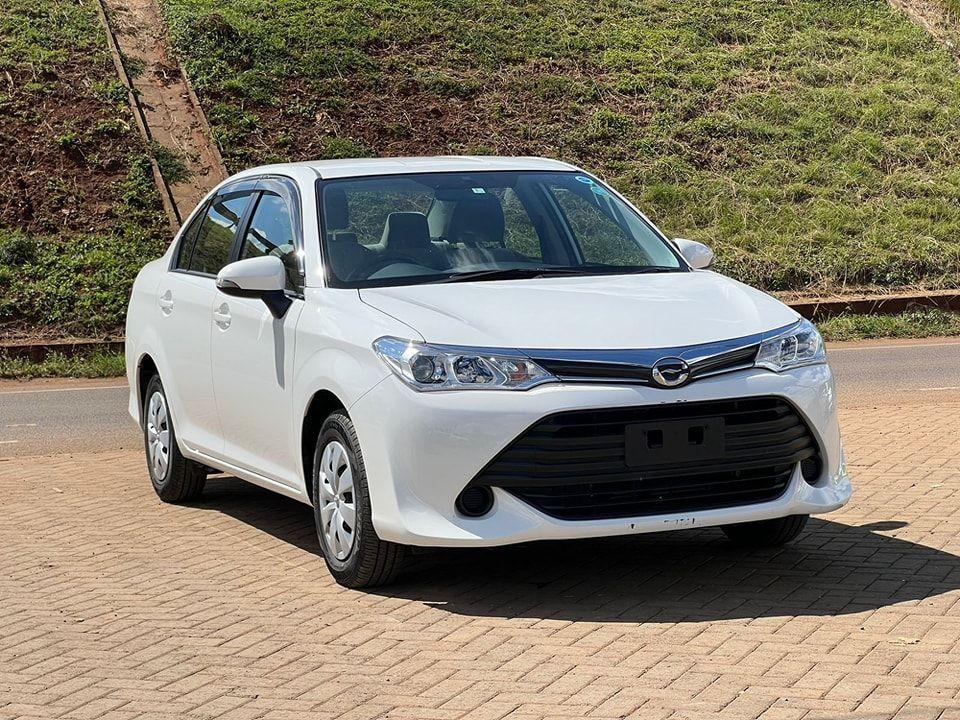
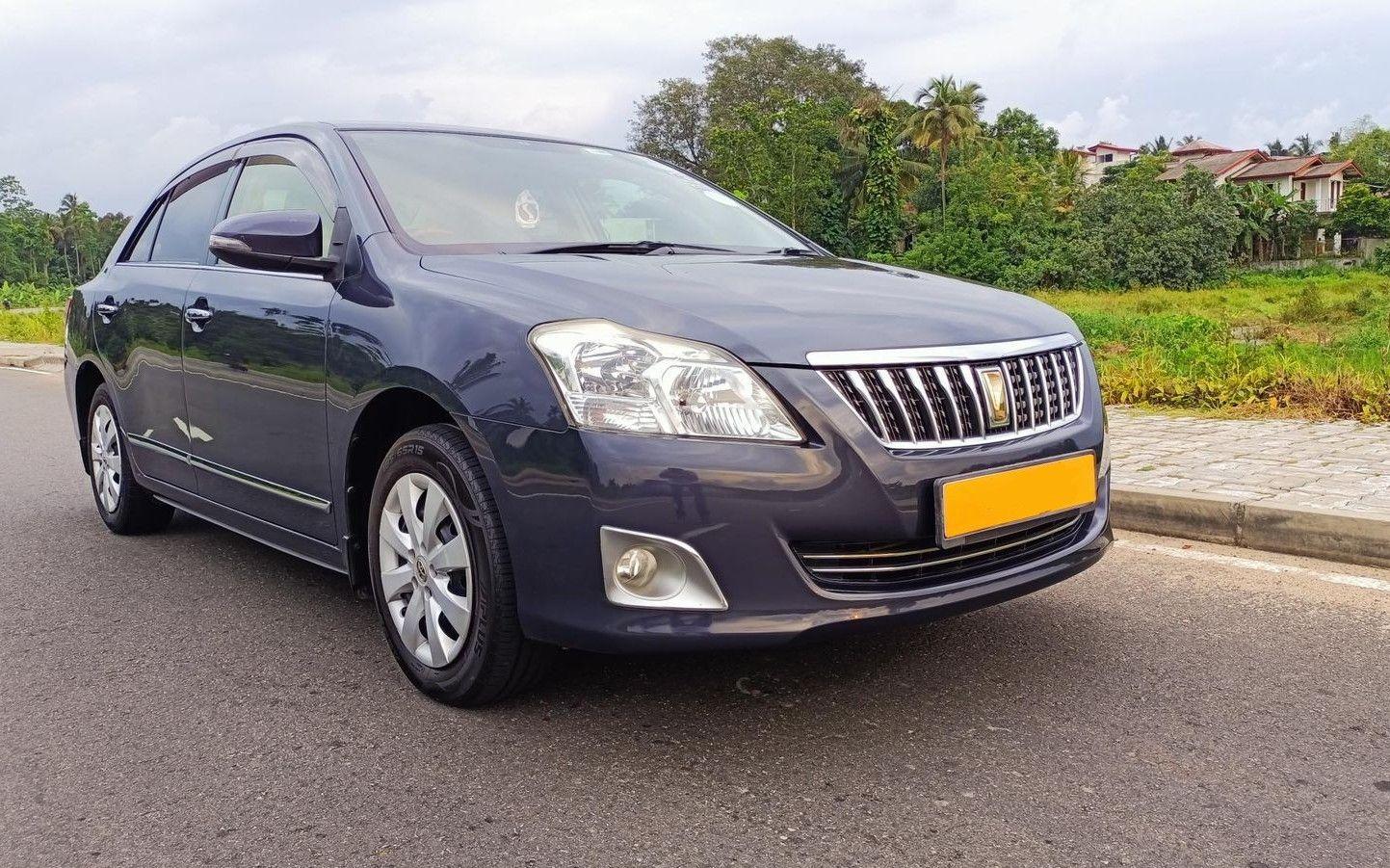
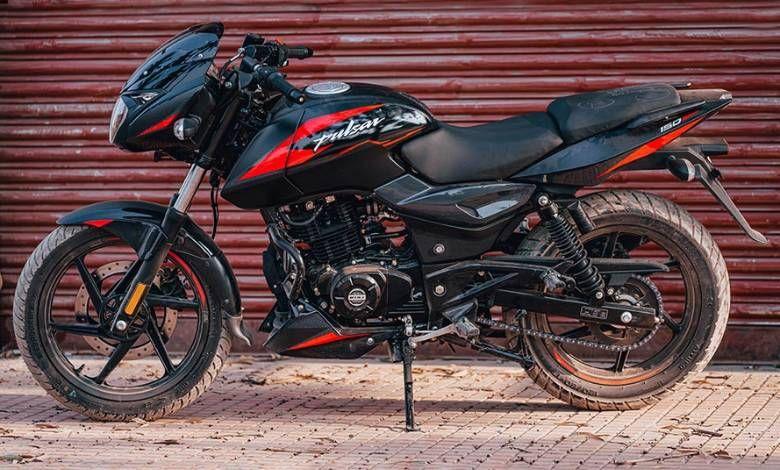
Many people use cars or motorcycles for daily short-distance travel, including to the office, school, and market. Short-distance travel consumes more fuel, thereby increasing travel costs. In short trips, the engine does not get time to warm up properly, which increases fuel consumption and carbon emissions. By following simple strategies, fuel waste can be reduced significantly. This blog discusses realistically how to minimize fuel wastage in daily short trips.
Fuel prices have almost doubled in the last decade. Environmental damage is also increasing due to excessive fuel consumption. It is possible to reduce fuel waste through simple changes in habits, preparation, awareness, and proper maintenance.
Ways to reduce fuel consumption on daily short trips
Usually, we can call a distance of 5 to 10 kilometers a short trip. On short trips, the car or motorcycle reaches the destination before the engine warms up, so fuel consumption is slightly higher than usual. In addition, fuel consumption increases due to habits such as idling the engine during traffic jams, frequent start-stops, unnecessary speeding, turning on the AC unnecessarily, etc.
1. Plan properly
For short-distance travel, plan instead of taking the car or motorcycle repeatedly. Instead of taking out the vehicle repeatedly, get all the work done in one trip. Plan all the work and try to do it at once. Complete the journey to the child's school, market, and office or business establishment in one trip in the morning. When going on short trips, the engine does not warm up thoroughly. If you repeatedly start a cold engine, fuel consumption increases.
2. Avoid preheating the engine every time
It does not get too cold in Bangladesh. So, avoid preheating the engine every time you start your car or motorcycle. Idling the engine for a long time wastes fuel. If you start the car or bike and drive it at low speed for 1 to 2 kilometres, the engine will warm up. However, if the vehicle or motorcycle has been unused for a long time, the engine must be preheated.
3. Reduce excess weight
Excess weight puts pressure on a car or motorcycle's engine. As a result, fuel burns more, wasting it. Remove excess weight from the car on short trips. Do not put heavy body kits on the motorcycle.
4. Maintain proper tire pressure
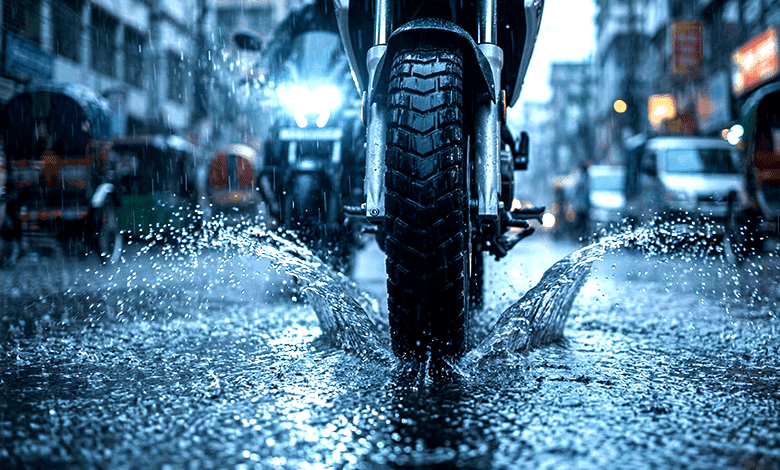
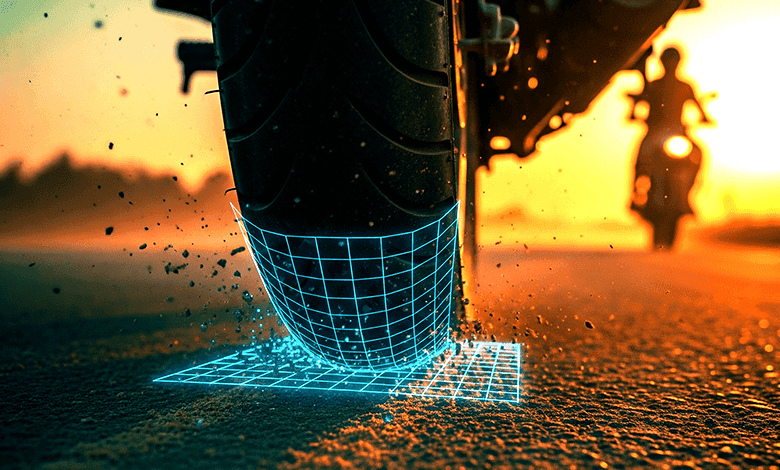
Low tire pressure increases wheel rolling resistance, placing more strain on the engine. This wastes fuel. Check tire pressure regularly according to the recommended measurements in your car or motorcycle manual.
5. Try to avoid engine idling as much as possible
If your car or bike is stationary in a traffic jam, turn off the engine. Engine idling increases fuel waste. Today's modern technology cars and motorcycles consume very little fuel when starting the engine.
6. Be aware of AC use
Avoid using AC unless necessary for short trips. If you need to use AC, avoid running it at full power. First, start the engine and lower the car window glass to let out the hot air inside. Then, after driving at normal speed for 1 to 2 kilometres, turn on the AC. Turn off the AC shortly before parking the car.
7. Drive at a normal speed
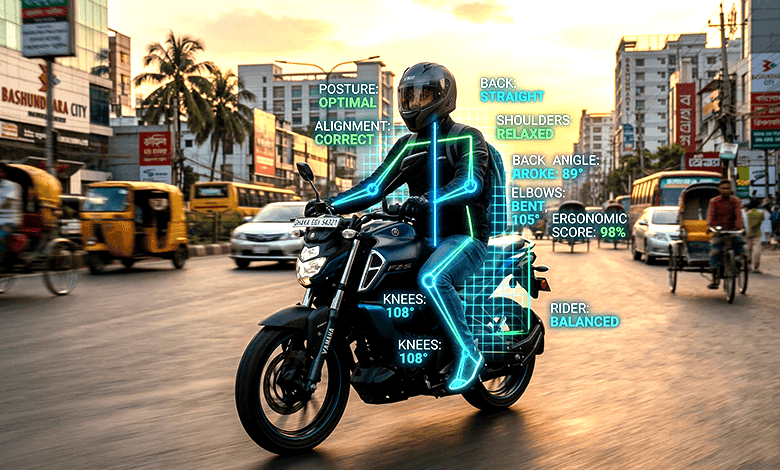
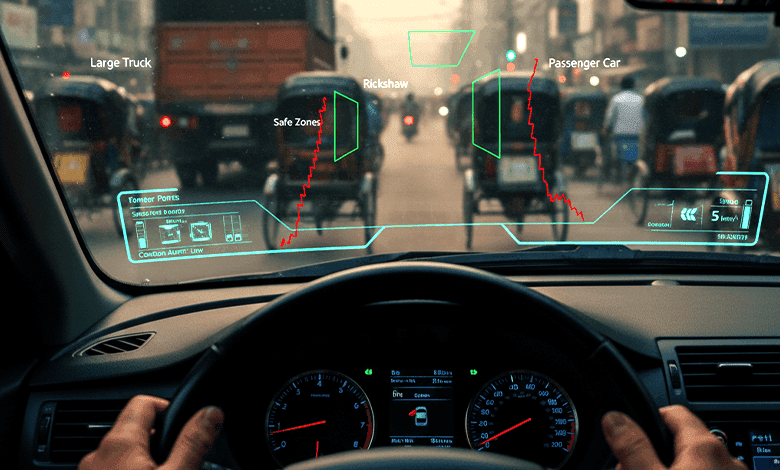
Driving at a normal speed does not waste fuel. Driving a car or motorcycle at speed and braking hard will cause you to run out of fuel quickly. Practice using the accelerator and brakes smoothly. Gradually increase the speed of the car or bike. If there is a signal or speed breaker ahead, release the accelerator beforehand.
8. Servicing should be done at regular intervals
If the air filter and fuel tank of a car or motorcycle are dirty, it consumes more fuel. In addition, if there is a problem with the spark plug and if the specified engine oil is not used, fuel is wasted. The car or motorcycle should be serviced at regular intervals, depending on the environmental conditions.
In addition, for short distances of 1-2 kilometres, make it a habit to cycle or walk rather than drive or ride a bike. This habit is beneficial for health and will also save fuel.
Final Thought
Reducing fuel wastage on daily short trips is not tricky. Changing some habits and driving consciously will help you reduce fuel wastage. Avoid driving at excessive speeds. This will not create situations like hard braking. This habit will reduce fuel consumption and the risk of accidents. Cars and motorcycles should be maintained regularly. Some basic servicing should be learned. Emphasize keeping the engine safe. Check tire pressure regularly. Frequent clutch use and gear changes consume more fuel. Drive within the speed limit. By following these simple rules and habits, both fuel and money will be saved, and environmental pollution will also be reduced.
Frequently Asked Questions
1. Why is more fuel wasted on daily short trips?
The engine does not get time to warm up properly on short trips, which increases fuel consumption and carbon emissions. It takes relatively more fuel to warm up a cold engine quickly.
2. Does running the AC on short trips consume more fuel?
Running the AC while driving at low speeds consumes more fuel. However, running the AC is cost-effective if you drive above 60 km/h.
3. Does idling with the engine running waste fuel?
Idling the engine for a long time wastes fuel. It is better to turn off the engine if you are stationary in a traffic jam for a long time. If the car or motorcycle has not been used for a long time and in cold weather, you can idle for 30-60 seconds to warm up the engine.
4. Does low tire pressure consume more fuel?
Low tire pressure increases wheel rolling resistance, placing more strain on the engine. This wastes fuel. Check the tire pressure regularly according to the recommended measurements in the car or motorcycle manual.
5. How can you prevent fuel waste through maintenance?
Dirty air filters and fuel tanks can lead to higher fuel consumption. In addition, problems with spark plugs, low tire pressure, and incorrect engine oil can lead to fuel waste. Proper maintenance can increase fuel efficiency.