Short Trips Damage Your Car Engine More Than Long Drives


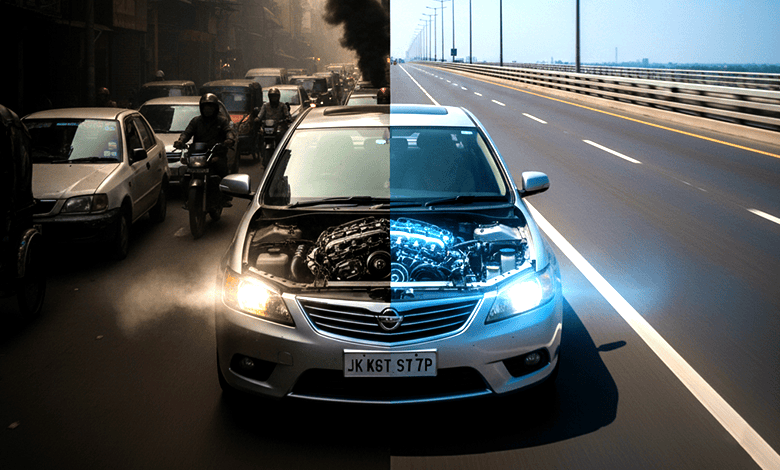
Many people think that if a car is driven less, the engine is under less stress, so it lasts longer. This is a common misconception. On the contrary, if the car is driven on short trips, the engine cannot reach the ideal temperature. Because the engine does not reach full operating temperature, internal components experience increased wear. This reduces engine durability and performance. Also, regular short trips weaken the battery. To keep the engine healthy, you should take a long drive at least once a week.
A short trip is usually considered to be a 10-15-minute ride, especially in stop-and-go city traffic. Destinations in city areas are usually close by. In addition, many people use cars for small tasks such as going to the market or taking their children to school. Due to traffic on city roads, the car has to be started and stopped frequently. This does not give the car engine enough time to warm up. This blog discusses in detail why short-distance travel is more harmful to the car engine.
Why is the car engine more damaged on short trips?
1. The engine does not get time to warm up completely
After starting the car, the engine is cold. In this state, the engine oil is thick, and the parts are stiff. During this time, fuel, water vapor, and various chemicals mix with the engine oil due to combustion. Pistons, rings, bearings, etc., are more damaged in a cold engine. On long trips, the engine reaches the ideal temperature and can operate everything properly. This removes the harmful vapors from the engine, allowing the oil to be cleaned and properly lubricated.
2. Sludge and carbon accumulate in the engine oil
If the car is running for a short time, the engine cannot warm up sufficiently. Therefore, the water vapor, moisture, and carbon inside the engine mix with the engine oil and sludge accumulates. That is, a thick, sticky layer forms. Carbon accumulates on the spark plugs and intake valves. When sludge and carbon accumulate in engine oil, the lubrication process is disrupted, and engine components begin to deteriorate.
3. Water vapor accumulates in engine oil
After starting the car, the engine stays cold for a while. During this time, fuel combustion creates water vapor inside the engine. On short trips, the car has to be stopped before the engine has fully warmed up, so water vapor condenses in the engine. If water vapor condenses, the engine’s metal parts rust. During long trips, this water vapor dries out due to the engine’s heat.
4. Excess pressure on the battery and alternator
Starting a car in cold weather consumes a lot of battery power. If the car runs for a long time, the alternator fully charges the battery. But if the car runs for a short time, the alternator cannot fully charge the battery. Therefore, frequent short trips put extra strain on the car's battery and alternator, reducing their durability.
5. Damage to the car's exhaust or silencer and catalytic converter
The car's exhaust system takes time to warm up. When going on a short trip, the water vapor or water accumulated inside the exhaust and catalytic converter does not have time to dry. This accumulated water vapor causes rust on the metal parts of the muffler or pipe.
Some tips to prevent engine damage on short trips
Final Thought
To keep the car engine healthy, it is necessary to drive for a sufficient time. Regular short trips may not warm up the engine properly, which can eventually lead to major mechanical problems. You can make a habit of walking or cycling to reach nearby destinations. If you can't avoid short trips, regularly check the engine oil, battery, and other fluids. Regular long drives, maintenance, safe driving, changing engine oil according to the manual's instructions, and using the correct grade of engine oil will ensure good engine durability and performance.
Frequently Asked Questions
1. How do short trips damage a car's engine?
When driving on short trips, the engine may not reach the ideal temperature. Because the engine does not reach full operating temperature, internal components experience increased wear. This reduces engine durability and performance.
2. What distance is meant by a short trip?
A short trip is usually considered to be a 10-15-minute ride, especially in stop-and-go city traffic.
3. What kind of damage does engine oil cause on short trips?
If the car is driven for a short time, the engine cannot warm up sufficiently. Therefore, water vapor, moisture, and carbon in the engine mix with the engine oil, forming sludge. Sludge and carbon build-up in engine oil disrupts the lubrication process and causes engine components to wear out.
4. What kind of damage does a car battery do on a short trip?
Starting a car in cold weather consumes a lot of battery power. If the car is driven for a long time, the alternator fully charges the battery. But if the car is driven for a short time, the alternator cannot fully charge the battery, so the battery's durability decreases.
5. How to keep your car engine in good condition during regular short trips?
Take a long drive at least once a week. Change the engine oil within the time specified in the manual. Try to do all the external work together. Clean the fuel system, air filter, and spark plugs regularly.