City vs. Highway Tire Pressure: What Works Best on Bangladeshi Roads


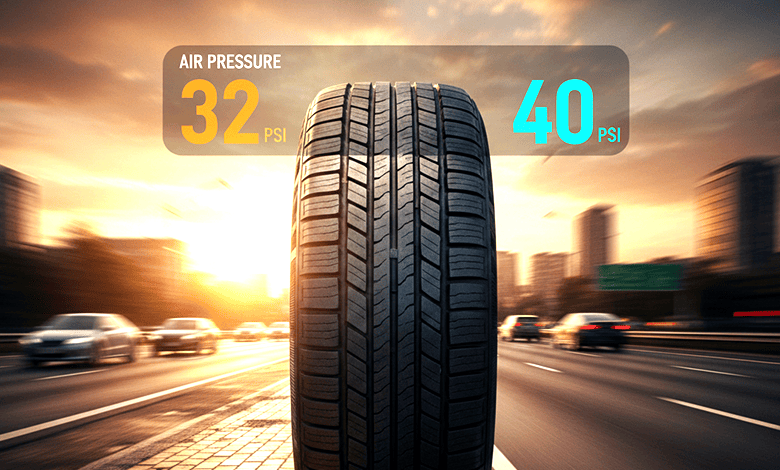
Maintaining proper tire pressure is an important factor for safe and comfortable driving on Bangladeshi roads. Tires carry the entire weight of a car or motorcycle. Therefore, one should have a proper understanding of tire maintenance, durability, and performance. Maintaining proper tire pressure is essential for smooth, safe travel on any road, whether a busy city street or a highway.
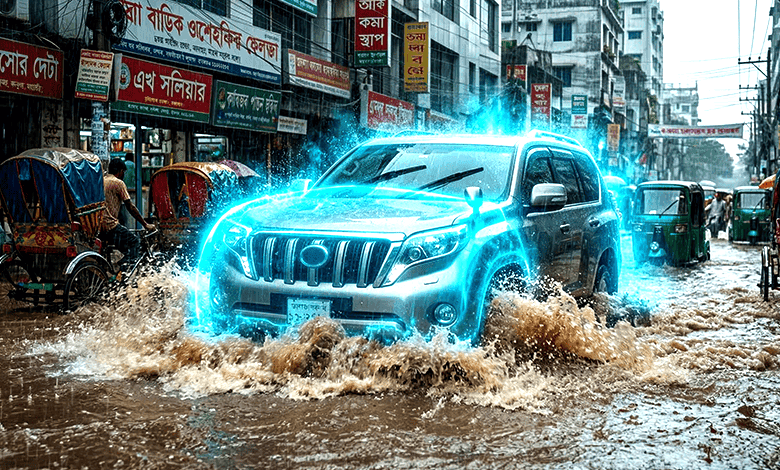
The city's congested traffic, uneven roads with potholes, and frequent braking affect the performance and durability of car and bike tires. Again, driving at speed on the asphalt of the highway increases tire heat due to friction. Therefore, it is important to maintain the correct tire pressure for both city and highway driving in Bangladesh. This blog discusses in detail which tire pressure is more suitable for city vs. highway driving, given Bangladesh's road conditions.
City or Highway - Which tire pressure is more suitable for Bangladeshi roads
Many people may wonder, will the tire pressure on city roads and highway tires be the same? Or how much should tire pressure be changed according to the road type in the context of Bangladesh? On city roads, a slightly lower pressure than the manual recommends works better. Slightly higher than recommended pressure works better for stability and fuel economy on highways. Tires wear unevenly if not cared for regularly.
1. What should be the tire pressure on city roads in the context of Bangladesh?
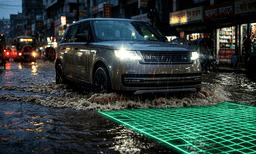
There are frequent traffic jams in Bangladesh's urban areas. While driving a car or motorcycle on these roads, you have to press the brakes and accelerator frequently. There are also numerous potholes and speed breakers on city roads.
On city roads, tire pressure is recommended to be 1-2 PSI lower than the PSI recommended in the vehicle's manual. Correct pressure helps the tire absorb bumps properly and keeps handling predictable. This reduces tire grip and protects the rim from damage. High tire pressure on city roads can make the tires stiff and reduce grip.
Advantages: The tire does not heat up at low or normal speeds. Besides, tires wear evenly when at standard pressure.
Disadvantages: Fuel consumption may increase slightly. If the pressure drops more than the standard, the sidewall of the tire wears quickly.
2. What should be the tire pressure on highway roads in the context of Bangladesh
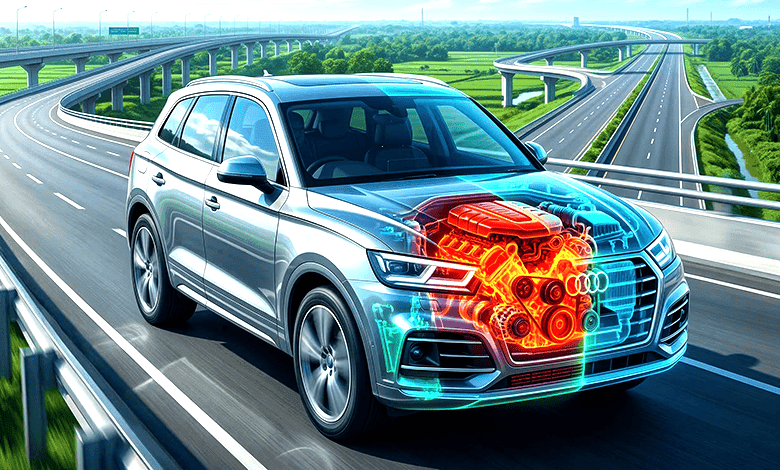
Since the car's pressure on the highway is low, it can be driven at high speeds. In this case, the heat control and steering response tires are more important. The tire heats up quickly due to friction with the road at high speeds. When the tire heats up, the air inside expands. If the pressure is slightly higher, air expansion can be adjusted to reduce the risk of a tire blowout.
Therefore, tire pressure on highway roads is recommended to be 1-3 PSI higher than the PSI recommended in the vehicle manual. However, under no circumstances should the 'Max PSI' recommended in the manual be exceeded.
Advantages: Tire stability increases at high speeds, rolling resistance decreases, and steering response improves.
Disadvantages: The center of the tire wears out quickly on uneven roads. Excessive pressure reduces tire grip. Tire wear increases in hot weather.
3. What should be the tire pressure in the reality of Bangladesh
Follow the car or motorcycle's manual. Maintain the maximum and minimum pressures in the front and rear tires as specified in the manual. Keep the tire pressure at standard or 1-2 PSI lower on city roads. Increase it by 1-3 PSI for highways. For long trips, you may need to fully load the car or bike. In this case, use the maximum pressure recommended in the manual. However, it is safe to reduce the tire pressure by 1-2 PSI to ensure good grip during the rainy season or on muddy roads.
If you need to commute on regular city roads, use tires suitable for stop-and-go driving. These tires have improved grip and strong sidewalls. These tires are designed to navigate potholes and uneven roads.
If you need to travel regularly on highway roads, use tires with a tread optimized for highways. These tires can withstand heat. It can also provide good traction and stability at high speeds.
Final Thought
Although the road communication system in Bangladesh is fairly developed, it is better to maintain the recommended tire pressure in the manual based on road conditions. Because there are very few traffic-free and pothole-free roads in Bangladesh. In addition, there are speed limits on highways. Ensure the vehicle’s safety by reducing the pressure by 1-2 PSI from the pressure recommended in the car or bike manual for the city and increasing it by 1-2 PSI on the highway. This pressure will increase tire durability, may slightly improve fuel economy, and reduce the risk of accidents. Choose the right tire that is compatible with the environment and road conditions. Adjust the pressure if you take extra weight on the car or bike. Check all tires and wheels at least once a month.
Frequently Asked Questions
1. What should the tire pressure be on the roads of Bangladesh?
It is best to maintain the tire pressure recommended in the manual, depending on road conditions. On city roads, a slightly lower pressure than the manual recommends works better. A slightly higher pressure than the recommended pressure improves stability and fuel economy on highways.
2. Why is it better to keep the tire pressure slightly lower on city roads?
Yes, in the city, it is better to keep the pressure 1-2 PSI lower than the pressure recommended in the car or bike manual. Because there are very few roads free of traffic and potholes in urban areas. On these roads, cars or motorcycles have to brake and accelerate frequently.
3. Why is it better to keep the tire pressure slightly higher on highways?
On highways, tire pressure is recommended to be 1-3 PSI higher than the PSI specified in the vehicle manual. Slightly higher pressure can adjust the air expansion and reduce the risk of the tire bursting.
4. What should the tire pressure be if the load is high?
If the car or bike is fully loaded, use the maximum pressure recommended in the manual. This reduces tire pressure.
5. How to check tire pressure easily?
Use a high-quality tire pressure gauge to easily check your car or motorbike's tire pressure. You can also use a tire pressure monitoring system (TPMS) to alert you to low tire pressure.