How to Maintain Your Car’s Cooling System Before Summer Starts


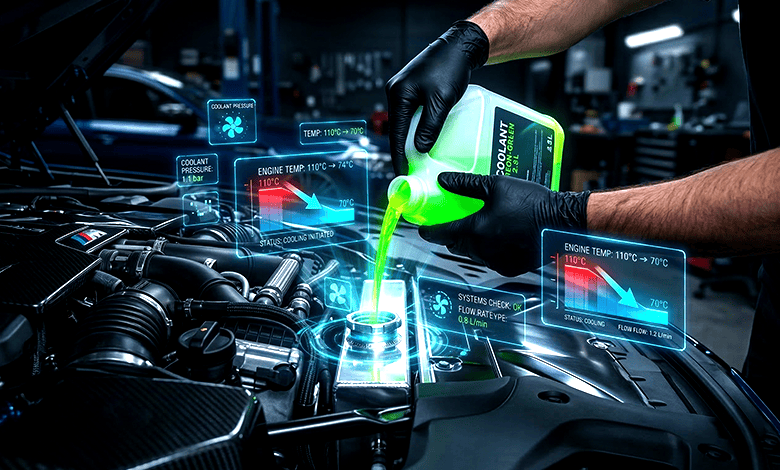
A car's cooling system protects the engine from overheating. It is very important to keep your car's cooling system in good condition before the summer heat sets in. Engine overheating during extreme heat can disrupt your journey, and if the cooling system is not maintained regularly, it can cause permanent damage to the engine. Therefore, before the start of the summer season, you should check the coolant level, the radiator for leaks, the thermostat, the engine block for cracks, and make sure the coolant is clean.
If the cooling system is not properly maintained before the start of summer, unpleasant situations such as a blown head gasket or the car stalling in the middle of the road may occur. This blog details how to maintain the car's cooling system before summer and provides tips to keep it in good condition.
Easy Ways to Maintain Your Car's Cooling System before Summer
Summer temperatures in Bangladesh are usually 35-40°C or slightly higher. Controlling the temperature of a car's engine in such heat can be quite challenging. In such a situation, regular maintenance is essential to prevent the cooling system from suddenly becoming useless.
1. Check the coolant level and color
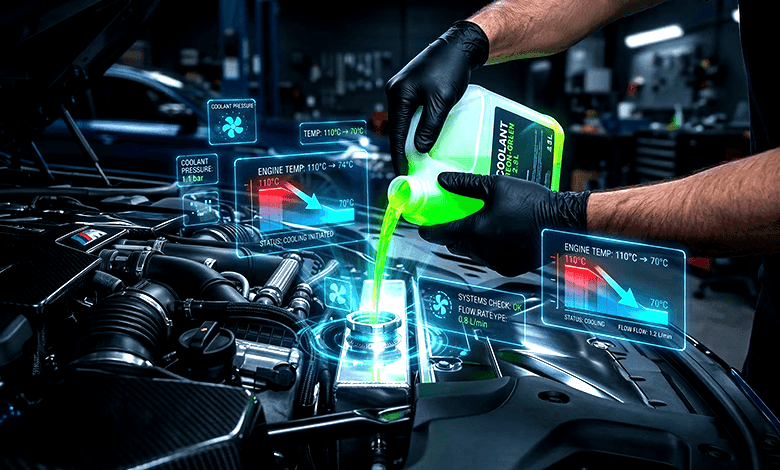
Coolant circulates through the engine and absorbs heat, preventing overheating. Coolant is a mixture of antifreeze and water that regulates the engine's temperature. You will see the coolant level sign on the reservoir tank. Check the coolant level in the overflow reservoir when the engine is cold. If the coolant color is cloudy or dark, flush and change it. It is usually recommended to replace coolant every 2-3 years or 30,000-40,000 km, depending on vehicle type and driving conditions.
2. Check for leaks
Check for cracks or breaks in hoses, radiators, water pumps, heaters, etc. If you see coolant stains or a sweet smell under the car, you will know that there is a leak. If there is a leak, repair it quickly; if necessary, seek the help of a mechanic.
3. Check the thermostat
The thermostat is a small valve in the engine's cooling system that controls coolant flow. When the engine reaches operating temperature, the thermostat opens, allowing coolant to flow to the radiator and cool. If it is not working properly, the engine can overheat.
4. Check the radiator cap
The radiator cap controls the pressure in the cooling system. If it is faulty, it cannot pressurize the cooling system properly, which can cause overheating and coolant loss. Check if the rubber seal on the cap is cracked. Replace the cap if the seal is damaged. Check if the spring inside the cap has become loose.
5. Check the hose pipes and drive belt
Radiator hoses and drive belts are usually made of rubber. They can be damaged in extreme heat. Check the pipes connected to the radiator. If there is a leak in the hose pipe, coolant may leak out. The hose pipe should be changed if it feels too soft or stiff. If the drive belt is cracked, worn, or loose, replace it.
6. Check the radiator cooling fan
Check whether the cooling fan starts automatically as the engine heats up. Check if the fan is spinning properly. Turn on the AC and check whether the radiator fan turns on. If the fan is not spinning, first check the fuse, relay, and sensor. If you cannot find the problem, seek the help of a mechanic.
7. Clean radiator fins regularly
Road dust, dry leaves, and insects can clog the radiator fins, obstructing airflow. Clean dirt from the radiator fins using compressed air, a soft brush, and water. This improves airflow and helps the radiator cool the engine efficiently. If there is a lot of dirt inside, have the radiator flushed by a mechanic.
Some additional tips to keep your car's engine cooling system in order before the summer
1. Service according to the car's manual.
2. Change the coolant at the specified time.
3. Reduce the AC load in traffic jams.
4. Ensure the engine temperature warning system is functioning properly.
5. Remove air from the cooling system after flushing the coolant.
6. Check the water pump for coolant leaks or unusual noise.
7. Check the electric fan, relay, and temperature sensor before a long trip.
Final Thought
The temperature in Bangladesh rises rapidly during the hot season. In addition, in the city's heavy traffic and polluted environment, there is a high risk of the car's engine overheating. Therefore, you should check in advance whether the car's cooling system is working properly. You can check the cooling system yourself. By regularly checking coolant levels, radiator cleanliness, and the thermostat, among other things, your car will stay cool and safe on hot days. If you do not maintain these on time, repairs can become very expensive.
Frequently Asked Questions
1. What should you do if the engine overheats?
First, park the car in a shaded place and turn off the engine. Give the engine 15-20 minutes to cool down. Check the coolant level when it is cold. Do not attempt to open the radiator cap when it is hot.
2. What to add if the coolant level decreases?
Use the coolant mixture mentioned in the car's manual. Add antifreeze and distilled water according to the instructions in the manual. Do not use plain water, as it can cause rust.
3. Can water be used as a coolant in emergencies?
You can use water in emergencies. However, using only water causes radiator rust, and since water's boiling point is low, it evaporates quickly, raising the engine's temperature.
4. How often should the coolant be changed?
The coolant should be changed at the specified time in the car's manual. Depending on the conditions in urban areas in Bangladesh, it is usually better to replace it every 2-3 years or after 30,000-40,000 km.
5. What is the effect of running the AC in traffic in summer on the cooling system?
Yes, running the AC in traffic in summer increases the load on the condenser and fan. So reduce the AC load during traffic jams. Clean and check the radiator, condenser, and fan regularly.