How to Maintain Proper Brake Fluid Levels and Timing


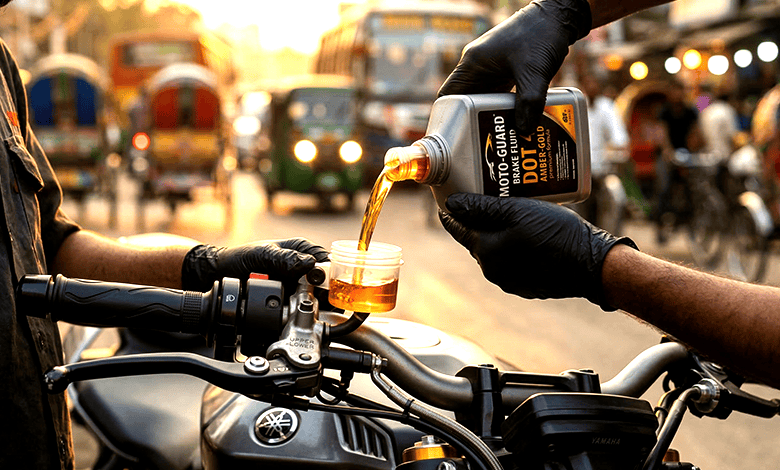
The braking system is one of the most critical safety components of your vehicle. Brake fluid plays a vital role in this system. It transfers the force from your brake pedal to the braking mechanism at the wheels. If brake fluid becomes too low or contaminated, braking performance is affected. Stopping distance increases when hydraulic pressure drops. Let’s look at some important tips to keep your brake fluid in good condition.
Check Brake Fluid Levels Regularly
The first step in maintaining proper brake fluid levels is to perform regular inspections. Most vehicles have a transparent brake fluid reservoir located near the engine bay. Check whether the brake fluid level is between the minimum and maximum marks. A low level may indicate a leak or worn brake components if the level drops below the recommended range. So you should check the brake fluid once every few weeks.
Use the Correct Type of Brake Fluid
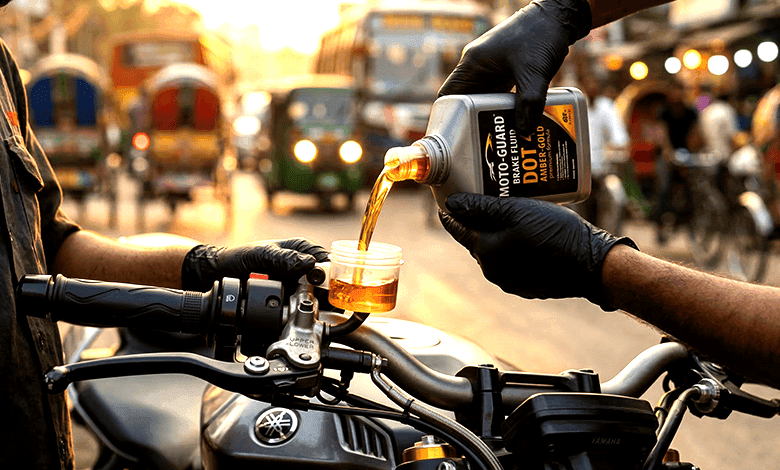
Not all brake fluids are the same. Different vehicles require different types, such as DOT 3, DOT 4, or DOT 5.1. The wrong brake fluid can reduce braking efficiency and may damage the braking system. Always check your vehicle’s owner’s manual to find the recommended brake fluid specification.
Replace Brake Fluid at the Right Time
Brake fluid absorbs moisture over time. This reduces its effectiveness. Excess moisture can lower the fluid's boiling point and cause brake fade during heavy braking. Most manufacturers recommend replacing brake fluid every 2 years or after a certain mileage. You can get consistent braking performance by following the recommended replacement schedule.
Watch for Warning Signs
Your vehicle will show several signs when its brake fluid needs maintenance. Some common signs include a soft or spongy brake pedal, longer stopping distance, or unusual brake dashboard warning lights. You may also notice darker or dirtier brake fluid in the reservoir. Inspect the braking system immediately in case you see any of these signs.
Avoid Contamination
Brake fluid is highly sensitive to contamination from water, dust, or dirt. So always keep the brake fluid reservoir cap tightly closed. Use only clean containers to add new fluid. Also, avoid exposing the fluid to open air for long periods. This helps maintain the hydraulic efficiency of the braking system.
Conclusion
Maintaining proper brake fluid levels and replacing it when needed are essential for safe driving. Regular inspections, using the correct fluid type, and following the recommended replacement schedule can keep your braking system in good condition. A well-maintained braking system improves vehicle safety. It also improves driver confidence on the road.
Frequently Asked Questions
1. How often should I check brake fluid levels?
You should check the brake fluid levels at least once every few weeks.
2. How often should I replace the brake fluid?
It varies depending on the vehicle. But most manufacturers recommend replacing brake fluid every 2 years.
3. What happens if the brake fluid is low?
It can reduce braking efficiency and increase stopping distance.
4. Can I mix different types of brake fluid?
You should not do it unless the vehicle manufacturer specifies compatibility.
5. What color should brake fluid be?
It is usually clear or light yellow. Dark or dirty fluid may indicate contamination and necessitate replacement.