Motorcycle Cooling Fan Issues: Symptoms and Fixes


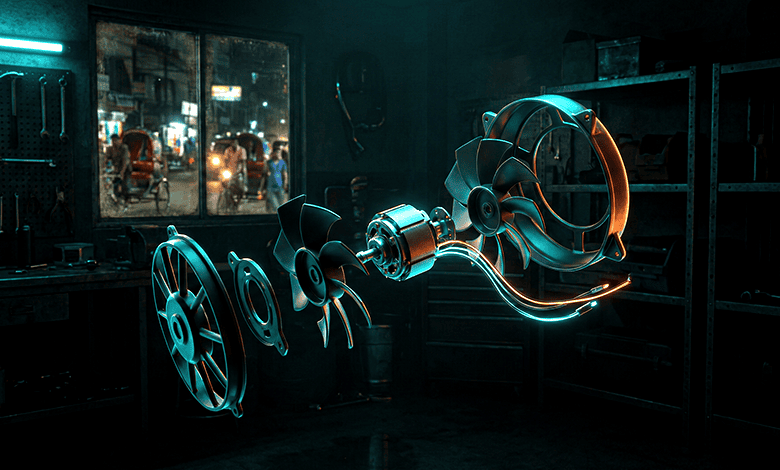
Motorcycle engines are designed to operate within a specific temperature range. Some engine heat is normal, but too much can become critical quickly if the cooling fan system fails. The radiator and radiator fan on liquid-cooled bikes work together to keep the temperature stable, particularly when the bike is not moving quickly or is in traffic. Once such a system fails to work as expected, the bike will inevitably overheat. Learning to spot red flags and implement appropriate solutions in advance can save your engine from costly repairs.
Why is the cooling fan important?
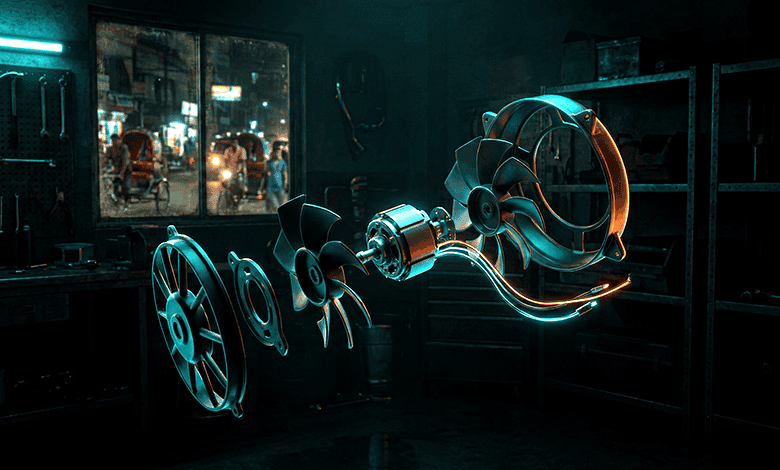
The cooling fan is essential for ensuring the engine reaches the correct temperature. When riding faster, the coolant is cooled by natural airflow via the radiator. Airflow is, however, curtailed during traffic jams, long idling, or slow city rides. At that point, the cooling fan automatically switches on to draw air through the radiator and regulate the temperature.
Unless the fan is activated at the appropriate time, overheating of the bike is nearly inevitable. Constant overheating can lead to warped cylinder heads, ruptured head gaskets, and reduced engine lifespan.
Symptoms of Cooling Fan Issues
Rising Temperature in Traffic
A marked increase in temperature, especially in traffic jams or stalled lights, is one of the most widespread manifestations. The bike might perform excellently on highways, where the natural airflow cools the radiator. But when the airflow is less, the temperature meter shoots up. This generally means the cooling fan is not turning on when it is required.
Cooling Fan Not Turning On
If the engine overheats and you do not hear the radiator fan turn on, it is a good indication that something is wrong. The cooling fan must automatically switch on when the engine temperature reaches a threshold. If it is silent, there may be an electrical or mechanical problem preventing it from operating.
Strange Sounds in the Radiator Section
If the radiator fan makes a squeaky, rattling, or grinding sound while rotating, it usually indicates an internal motor issue, debris, or bearing damage. Don’t ignore these sounds because they may cause the fans to fail.
Bike Overheating Warning
Another obvious symptom is the frequent overheating warnings displayed by the dashboard. The cooling fan is not effectively dissipating engine heat when the cooling system warning light is consistently on, especially during urban travel.
Coolant Boiling or Overflow
In more severe cases, you may smell a strong coolant odor or coolant spillage in the reservoir. This happens when the radiator cannot release heat because a faulty radiator fan prevents it from cooling, resulting in excessive system pressure.
Fixes for Cooling Fan Issues
Examine the relay and fuse
The cooling fan may lose power due to a blown fuse or an inoperative fan relay. All of these are elements that are cheap to fix and investigate, and can resolve the problem quickly.
Test the Temperature Sensor
The temperature gauge is also important in switching on the radiator fan. Failure can prevent the fan from receiving the signal to turn on, even as engine heat increases. A failed sensor can usually be replaced to automatically resume normal operation.
Replace a Faulty Fan Motor
If power is supplied to the cooling fan but it is not turning, the motor may be worn out. In this scenario, the best solution is to change the fan assembly. Attempting to fix it temporarily can only put off a total breakdown.
Maintain Coolant Levels and Radiator Cleanliness
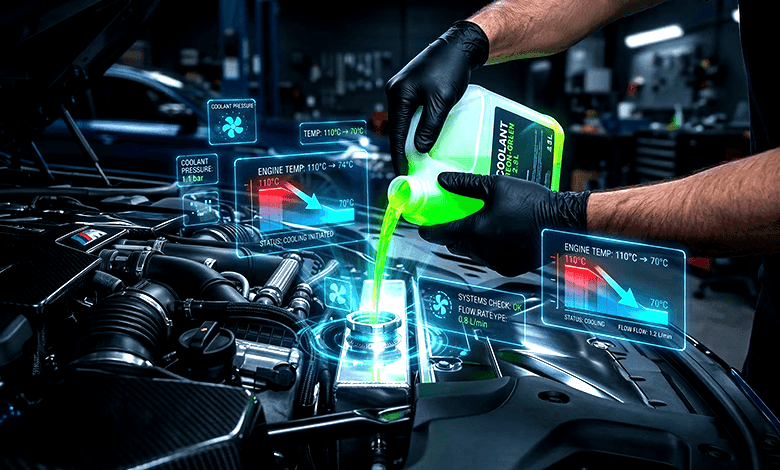
In other cases, a seemingly coolant problem may be due to insufficient coolant circulation. Check that the coolant level is sufficient, and replace the old coolant according to the manufacturer's recommendations. Cleaning the radiator fins of dirt also helps improve heat dissipation and reduce the load on the fan.
Avoiding Future Cooling Fan Problems
Regular checks help prevent sudden failures. A person mustn't spend much time in extreme heat. Also, check your temperature gauge regularly and watch for abnormal readings and red flags. This will help keep engine heat in check and prevent overheating by ensuring the overall cooling system is in order.
Final Thoughts
The cooling fan issues should be observed regularly. Even a small temperature change can lead to a critical problem with the engine. Good performance, a longer engine lifespan, and stress-free rides are all guaranteed with early diagnosis and appropriate application of the modifications.
Frequently Asked Questions
1. What causes a malfunction in a motorcycle's cooling fan?
Malfunction can be caused by a broken fuse, relay, wire, temperature sensor, or fan motor.
2. How frequently should I inspect the cooling system on my motorcycle?
For routine service maintenance, or at least every six months, you should check the cooling system, including the coolant level and the condition of the radiators.
3. How to test a radiator fan to know whether it is defective or not?
If high engine heat is detected and the cooling fan does not start even with the fuse in place, there may be a malfunction.
4. Can you continue riding if the radiator fan is not working?
Avoid riding if the fan isn’t working. If you must move the bike to a safe place or workshop, ride gently, watch the temperature closely, and stop immediately if it rises.
5. How much does it cost to replace a cooling fan motor?
Depending on the motorbike, replacing a cooling fan is often much more affordable than repairing one.