How to Identify Overheating Before the Temperature Gauge Rises



We usually assume that if the temperature gauge enters the red zone, it may be the first sign of engine overheating. But it is not. In many cases, early warning signs appear well before the dashboard indicator responds. Don’t ignore these subtle signs. Ignoring these subtle signs may result in expensive repairs, major engine damage, and even unexpected failure. Drivers should take preventative measures before the issue worsens. They should be aware of the early indicators of overheating. You should pay attention to usual smells, sounds, performance changes, and warning lights. This may help you detect overheating early. Also, this will protect your engine from long-term damage.
Here are key signs that indicate your engine may be overheating before the temperature gauge rises.
10 Early Signs of Engine Overheating
1. Unusual Smell from the Engine Bay
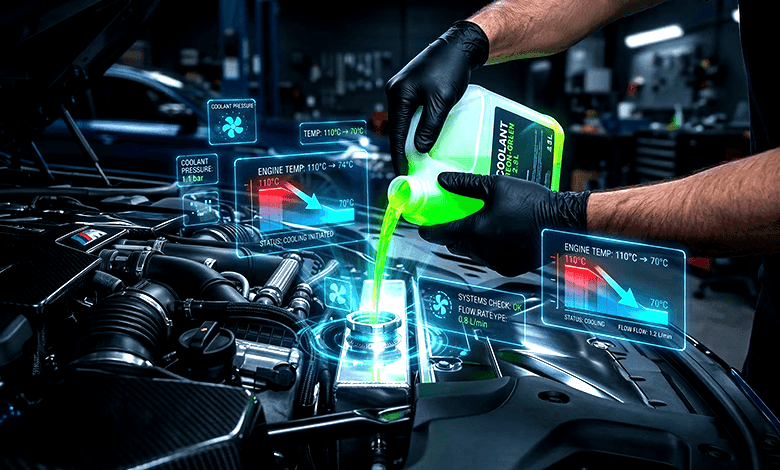
If you notice any unusual smells coming from under the hood, consider it an early sign of overheating. A sweet, syrup-like smell often indicates a coolant leak. Coolant has a distinct sugary smell. Again, a sharp burning smell may suggest overheated engine oil, melting rubber hoses, or plastic components.
2. Reduced Engine Performance
If you find your vehicle suddenly feels sluggish or struggles to accelerate, it may indicate reduced engine performance. A rising engine temperature can significantly affect engine performance. This excessive heat can disrupt the combustion process and ultimately reduce engine efficiency.
3. Steam or Vapor from Under the Hood
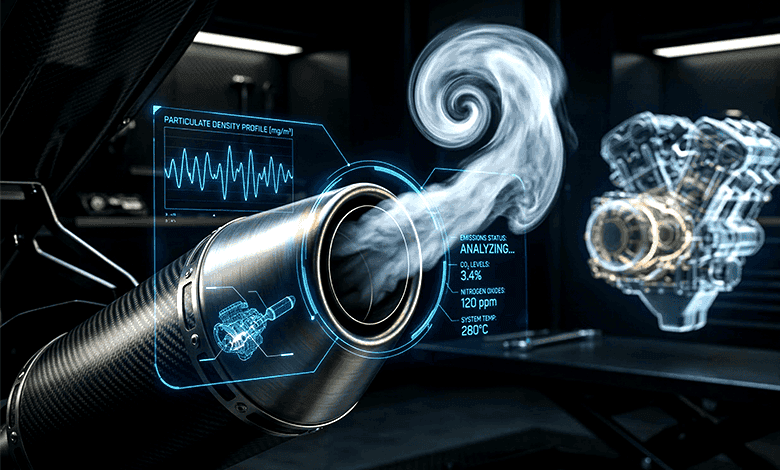
If you see any light steam from the engine bay, it is an important warning sign. It often occurs when the coolant begins to boil as the engine temperature rises. Sometimes, in early stages, you may only notice light vapor, especially when you stop the vehicle. Don’t ignore this warning sign.
4. Ticking or Knocking Sounds
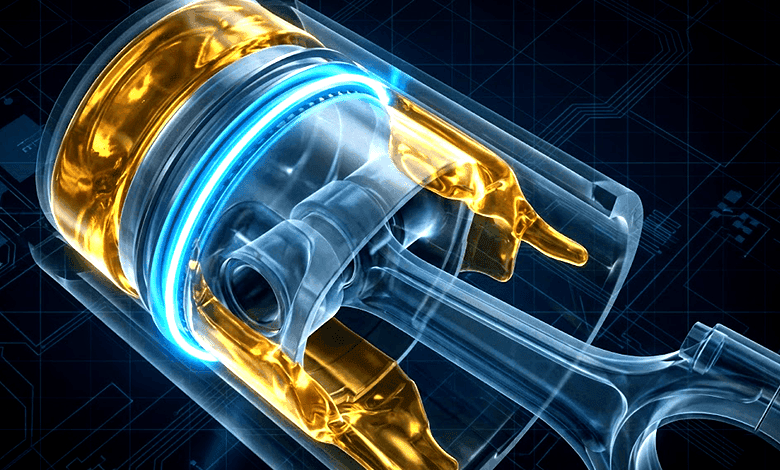
When the temperature rises, engine oil becomes thinner and less effective. And this reduced lubrication can cause unusual ticking, tapping, and knocking sounds from the engine bay. These types of noises indicate increased friction between moving parts. They should be checked immediately to prevent long-term damage.
5. AC Blowing Warm Air
An air conditioning system depends partly on proper engine temperature regulation. If you find your AC suddenly stops blowing cold air, it could be a signal of rising engine heat. Overheating puts additional strain on the engine. Thus, it reduces the efficiency of air conditioning.
6. Coolant Warning Light
Usually, modern vehicles are equipped with coolant or temperature warning lights. These may activate before the gauge reaches the red zone. This early alert indicates that the cooling system is not functioning properly.
7. Frequent Cooling Fan Operation
Generally, the radiator cooling fan is designed to activate when the engine temperature rises. If you find the fan running continuously or more frequently than usual, it may indicate that the engine is struggling to maintain a normal temperature.
8. Visible Coolant Leak Under the Car
When you are done with parking, always check beneath your car for colored fluid (green, orange, or pink). A leak reduces the cooling system’s ability to regulate engine temperature effectively.
9. Engine Hesitation in Traffic
When airflow through the radiator is limited, the cooling system needs to work harder to manage engine heat. If your engine begins to hesitate, vibrate, or feel strained in traffic, it can be an early sign of temperature imbalance.
10. Sudden Drop in Fuel Efficiency
Rising temperatures may disrupt the balance of the air-fuel mixture. This causes the engine to consume more fuel than normal. If you notice a sudden and unexplained drop in mileage, overheating can be a contributing factor.
Final Thoughts
Overheating rarely happens without giving a warning. Paying attention to small changes in smell, sound, and performance can help prevent severe engine damage. Early detection helps lower repair costs and improve driving safety. Stay alert and act quickly when something feels unusual.
Frequently Asked Questions
1. Can an engine overheat without the gauge rising?
Yes, definitely. Temperature sensors may respond slowly. Early signs of overheating often appear before the temperature gauge shows a significant increase.
2. What should I do if I suspect overheating?
Stay calm and pull over safely, turn off the engine, and let it cool. Don’t open the radiator cap while the engine is still hot.
3. Does low coolant always cause overheating?
Among other factors, low coolant is a common cause of overheating. But thermostat or radiator issues can also cause overheating.
4. Is it safe to drive with minor overheating signs?
Absolutely not. Continuing to drive can cause extreme engine damage. It is best to inspect the issue immediately and solve it as early as possible.
5. Can AC performance indicate engine overheating?
Yes, definitely. If you find your AC suddenly blows warm air, it may be connected to the engine temperature rising. It affects the system's efficiency.