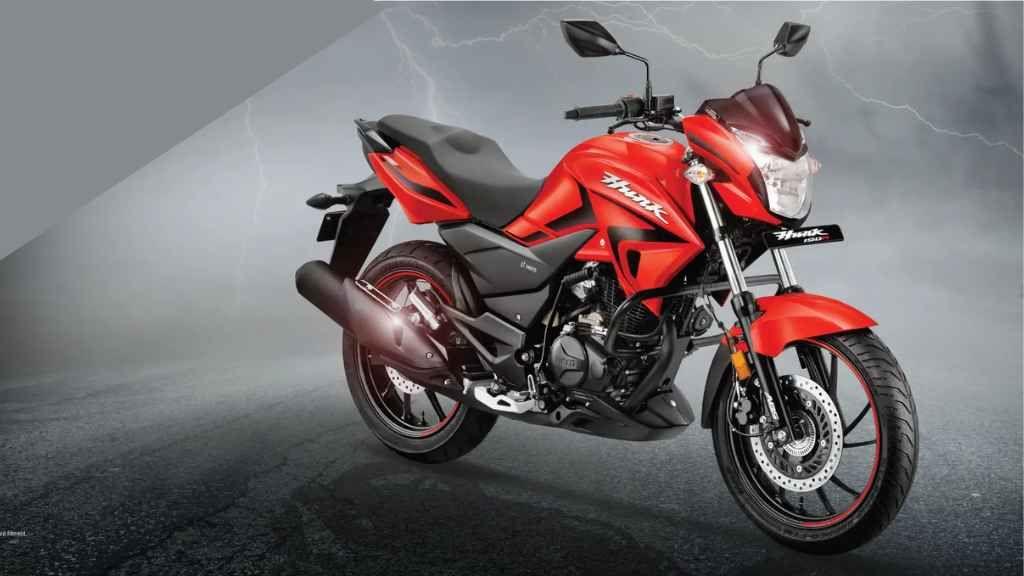
How to Protect Your Engine from Water Damage During Monsoon Floods


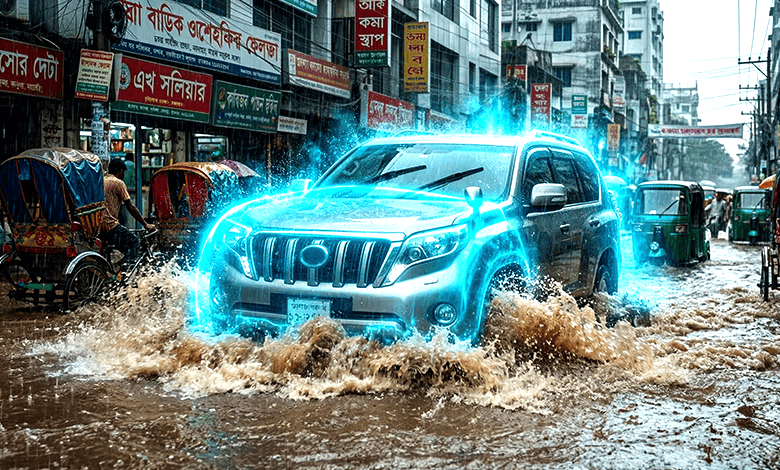
The monsoon season can be extremely challenging for riders. Heavy rain in Bangladesh often causes waterlogged roads and sudden flooding. Riders need to be extra cautious during these times to keep their bikes safe from water damage in the engine. Water can cause serious mechanical problems and expensive repairs if it enters critical components. Let’s see some practical steps to save your bike from engine water damage.
Avoid Riding Through Deep Water
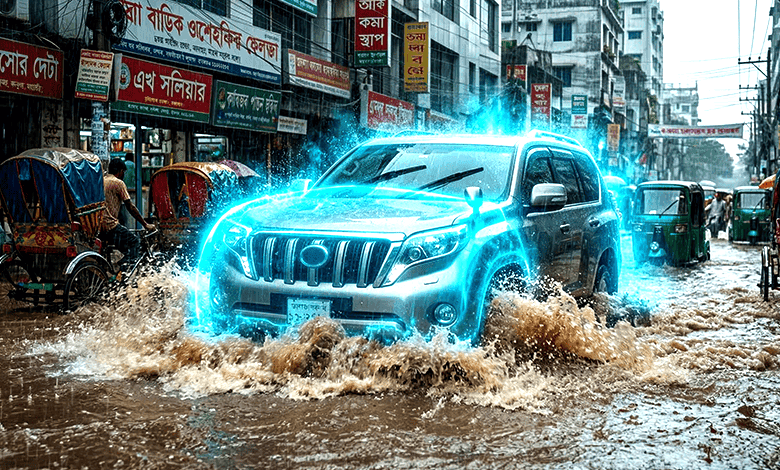
The first and most effective way to protect your engine is to avoid riding through deep water. Hidden potholes, open drains, or uneven surfaces can cause accidents or damage your bike. Water can also cause engine failure if it enters through the air intake. So you should turn around and find another route if the water level reaches the exhaust or the air intake level.
Keep the Engine Running in Shallow Water
Avoiding waterlogged roads in Bangladesh sometimes becomes impossible. Keep the engine running at a steady throttle if you must cross shallow water. A constant engine speed helps prevent water from entering the exhaust. If you stop the motorcycle in the middle of the water, it increases the risk of water entering the engine.
Protect the Air Intake Area
The air intake is one of the most sensitive parts when riding through water. Water entering through the air intake can cause hydrolock. This can severely damage the engine. So, you should always know where your bike's air intake is positioned. Avoid water levels above this point.
Check and Lubricate Important Parts
You should check your motorcycle after riding in heavy rain or on waterlogged roads. Water can wash away lubrication from chains, cables, and moving parts. So you should know how to clean the bike properly and apply lubricant to the chain and other necessary components. This helps to prevent rust as well.
Dry Electrical Components
A modern motorcycle has many electrical components, such as sensors, wiring, and ignition systems. Excess water can affect these parts, causing starting problems. You should wipe down wet areas after riding in heavy rain. Make sure the motorcycle is properly dried before parking it for an extended period.
Inspect the Engine Oil
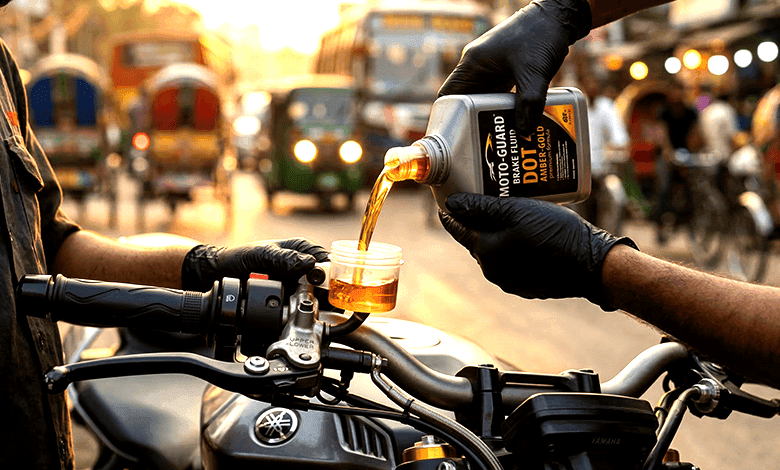
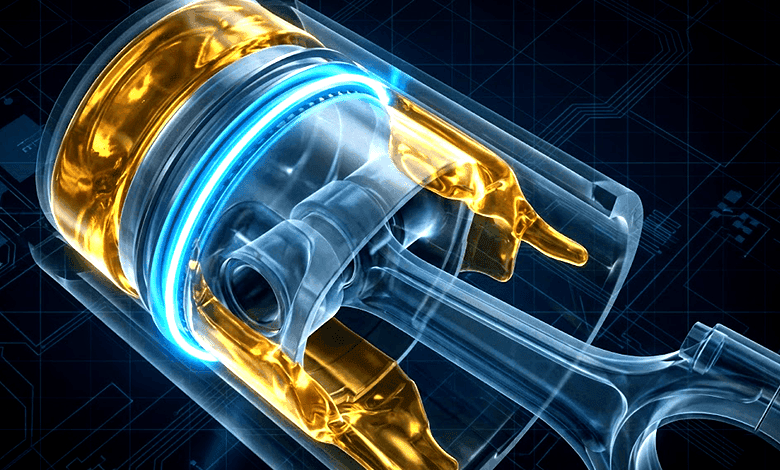
Water may mix with the engine oil if it somehow enters the engine. This can reduce lubrication and damage internal engine parts. Check the engine oil level and condition after riding waterlogged roads. Replace the oil immediately if it appears milky or contaminated.
Conclusion
Monsoon floods create serious challenges for motorcycle riders. However, with the right precautions, you can significantly reduce the risk of water damage to the engine. Avoid deep water whenever possible, maintain steady control when crossing shallow areas, and inspect your motorcycle afterward. A little awareness and regular maintenance can easily protect your engine from water damage.
Frequently Asked Questions
1. Can water damage a motorcycle engine?
Yes. Water can cause severe engine damage if it enters through the air intake.
2. What is a hydrolock in a motorcycle engine?
Hydrolock occurs when water enters the engine cylinder, preventing the piston from moving properly.
3. Should I stop my motorcycle in floodwater?
No. Stopping in water increases the risk of water entering the engine or exhaust system.
4. How do I know if water has mixed with engine oil?
You can understand that by inspecting whether the oil appears milky or cloudy.
5. What should I do after riding through floodwater?
Clean the motorcycle, lubricate the chain, and inspect the engine oil and electrical components.