How to Reduce Engine Oil Consumption in High-Mileage Cars


High-mileage cars can continue to perform well; however, one common issue is increased engine oil consumption over time. Adding engine oil between services may be routine, but overconsumption may indicate more severe mechanical wear. The benefits of using less engine oil include not only saving money on each topping-up but also preserving engine parts, maintaining efficiency, and avoiding permanent damage. The article identifies the reasons behind the rise in engine oil use in high-mileage cars, the most common sources of engine oil consumption, and how effective engine oil consumption can be reduced through proper maintenance, the right choice of engine oil, and conscious driving habits.
Understanding the Reasons for Engine Oil Consumption in High-Mileage Cars
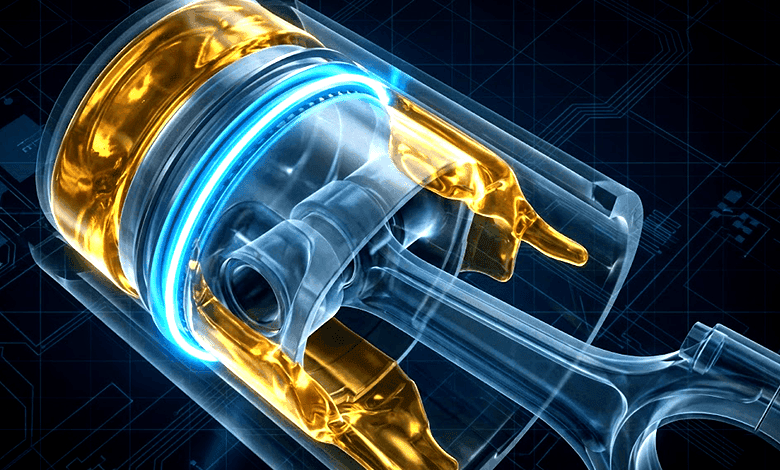
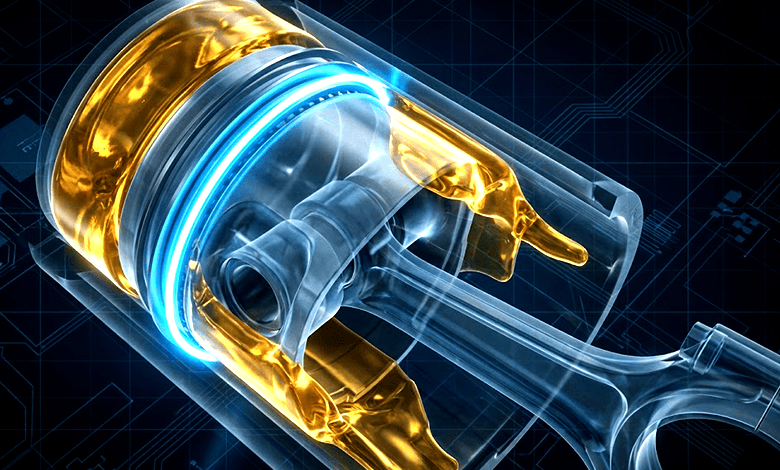
Increased engine oil consumption is a natural result of engine wear over time. The piston rings, valve seals, and cylinder walls wear over time, so they no longer seal well. This allows engine oil to leak into the combustion chamber, where it burns along with the fuel. Carbon deposits can also accumulate around piston rings in high-mileage engines, preventing them from sealing properly. Valve stems with worn-out seals can cause oil to drip into the cylinder, particularly when starting or decelerating. These engine oil-burning causes usually develop over time; therefore, the problem can be easily ignored before excessive oil consumption occurs. This is why it is necessary to understand the underlying causes before trying to reduce engine oil consumption.
Significance of the Engine Oil Maintenance
Engine oil is important for lubrication, cooling, and cleaning the internal engine parts. In high-mileage cars, the quality of oil and the frequency of maintenance are even more crucial. Using the wrong oil or delaying oil changes will accelerate internal wear and increase oil consumption. When a lubrication system is well maintained, it helps reduce friction, minimize heat buildup, and protect deteriorating seals. Using the right engine oil with the right specifications can restore some sealing efficiency and reduce oil loss. Periodic oil maintenance also makes it easier to detect abnormal consumption at an early stage, before more complex mechanical problems arise.
Engine Oil’s Effect On High-mileage Engines
An ordinary engine oil might be suitable for a newer engine, but it may fail in high-mileage conditions. The harder seals become and the larger clearances they create, the easier it is for standard oil to flow through worn components, resulting in higher consumption. High-mileage engine oils are formulated with seal conditioners and additives to reduce oil leakage and burning. They are used to clean in-house deposits and enhance the sealing around worn parts. Nevertheless, switching to thick oil without proper consideration may result in poor lubrication during a cold start. This explains why oil selection should prioritize balanced protection rather than simply increasing viscosity.
Tips To Reduce Engine Oil Consumption
Engine oil consumption can be reduced without requiring major engine repairs. Most useful solutions involve regular maintenance and minor changes that motorists overlook.
- Frequently replacing the oil with manufacturer oil or high-mileage oil helps keep the inside clean and sealed.
- Checking the oil level helps prevent the engine from running low, whichcan lead to increased wear.
- Fixing small oil leaks early, replacing deteriorated PCV (Positive Crankcase Ventilation) valves, and ensuring that the engine is not sludge-laden will help reduce oil consumption.
- Driving habits are also a major factor. Rapid acceleration, high RPM operation, and short journeys are aggressive driving practices that contribute to oil combustion in high-mileage engines.
- Using a small throttle control and allowing the engine time to warm up may greatly reduce oil loss over time.
How to Minimize Engine Oil Burning Causes?
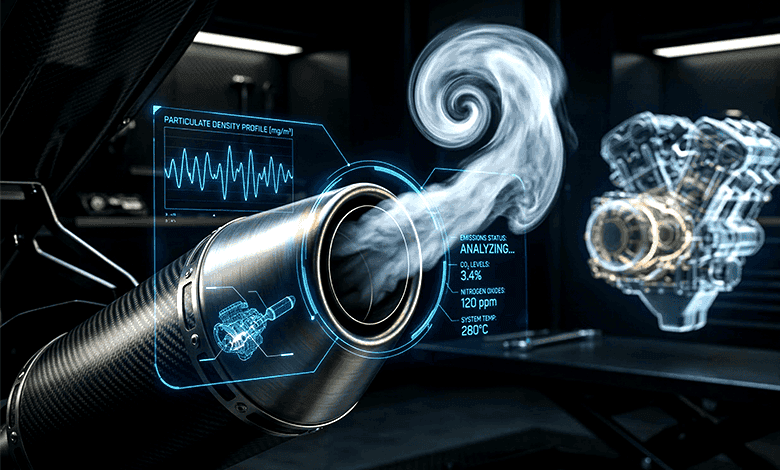
Engine oil burning is not only a maintenance issue but also a mechanical one. Oil may enter the combustion chamber due to excessive blow-by from worn piston rings, broken valve seals, or obstructed ventilation systems. These issues may be overlooked, leading to increased exhaust smoke, soiled spark plugs, and reduced fuel economy. To minimize this, ensure that seals and gaskets are replaced on time. With proper operation of the crankcase ventilation system, pressure buildup that causes oil to pass through the seals is avoided. The above preventive measures will reduce engine oil consumption and extend the lifespan of high-mileage engines.
How to Select the Right Engine Oil for High-Mileage Cars?
Thicker oil is not needed in all engines due to increased mileage. Very often, it is enough to switch to a special high-mileage engine oil of adequate viscosity. The purpose of these oils is to enhance sealing, reduce evaporation, and protect components from wear without affecting lubrication. In cars used in hot weather or those loaded heavily, a slightly more viscous oil can be used to reduce oil consumption. Nonetheless, the most secure measure is to prioritize oil formulations that emphasize wear protection and seal conditioning over extreme thickness. The right engine oil improves performance and helps regulate oil consumption.
Final Thoughts
Balance, sensitivity, and routine maintenance are required to reduce engine oil use in high-mileage cars. Overburning of oil must not be overlooked, as it is usually an indication of wear that may deteriorate over time. Oil loss can be greatly minimized by choosing the right engine oil, following routine maintenance, driving responsibly, and detecting issues early. An engine that has been properly maintained and has high mileage can run well and efficiently for years. When engine oil consumption is managed effectively, performance and lifespan improve.
Frequently Asked Questions
1. Why are high-mileage automobiles more engine oil burners?
The piston rings, valve seals, and internal clearance wear off due to high mileage. This allows the engine oil to reach the combustion chamber, where it is burned.
2. What are the best ways of maximizing engine oil conservation to ensure minimum risks?
Use engine oil, replace it when needed, and fix engines as quickly as you can; never engage in aggressive driving.
3. Does the thinness of engine oil differ to reduce the oil consumption?
Not always. In other cases, oil viscosity can reduce combustion, and improper viscosity can affect lubrication and engine performance.
4. How often should a high-mileage vehicle's engine oil be checked?
Engine oil should also be checked at least twice a month, or before long trips.
5. Is high-mileage engine oil really worth it?
High-mileage oils contain additives that help seal conditioning and oil savings.