How Cold Weather Impacts Brake Performance & Maintenance Timing


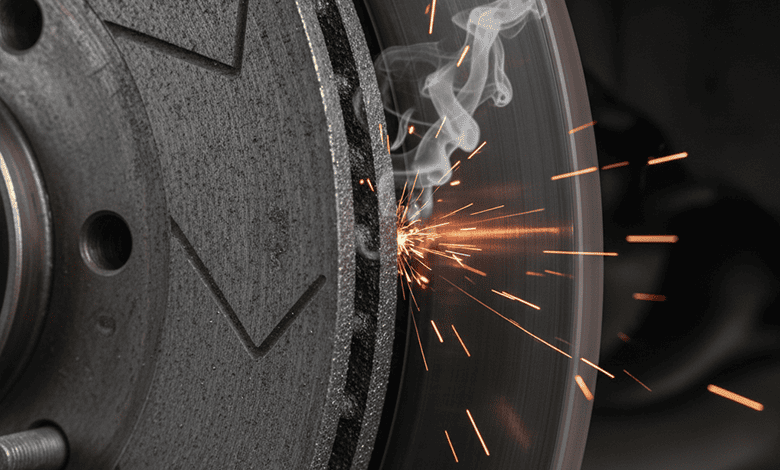
Cold weather can affect the braking performance and normal maintenance time of a car or motorbike. When the temperature drops too low, the brake fluid can thicken, disrupting the normal braking response. In addition, the friction level and normal performance of components such as brake pads, rotors, disc brakes, ABS, hydraulic systems, tyres, etc., are affected. Therefore, it is essential to maintain the vehicle and its braking system regularly during winter. Ignoring these things increases the risk of accidents.
Bangladesh does not experience severe winters with ice or snowfall. However, to ensure travel safety, it is essential to understand how cold weather affects your vehicle's braking and maintenance time. These problems can lead to brake fade, rapid pad wear, brake failure, incorrect braking distance measurement, and emergency braking. This blog discusses in detail how cold weather impacts brake performance and when to maintain your vehicle to be safe.
How is the braking performance of a car or motorbike affected in winter
1. Brake fluid viscosity or thickening
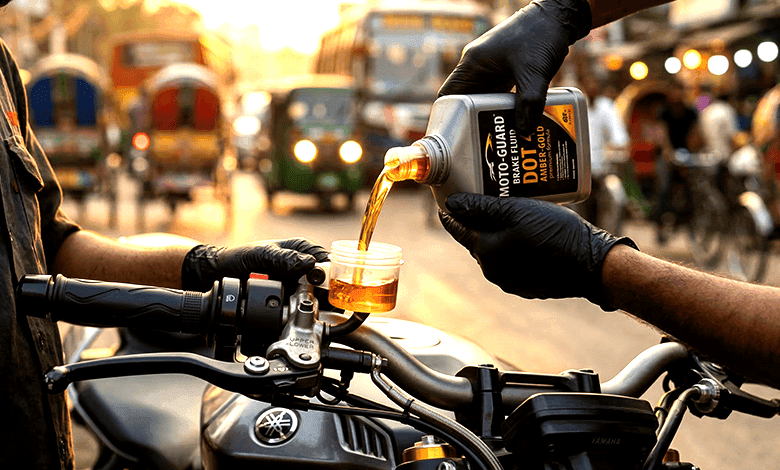
Although Bangladesh does not experience severe winters, brake fluid can thicken when the temperature drops below 5°C. Brake fluid is a hydraulic medium that delivers power to the brake calliper. When it gets too cold, excess water in the fluid can accumulate, increasing viscosity and causing blockages in the brake system. Brake fluid viscosity causes a delayed brake response. In this case, the brakes become stiff, leading to brake failure and potentially causing accidents.
2. Brake pad and rotor wear
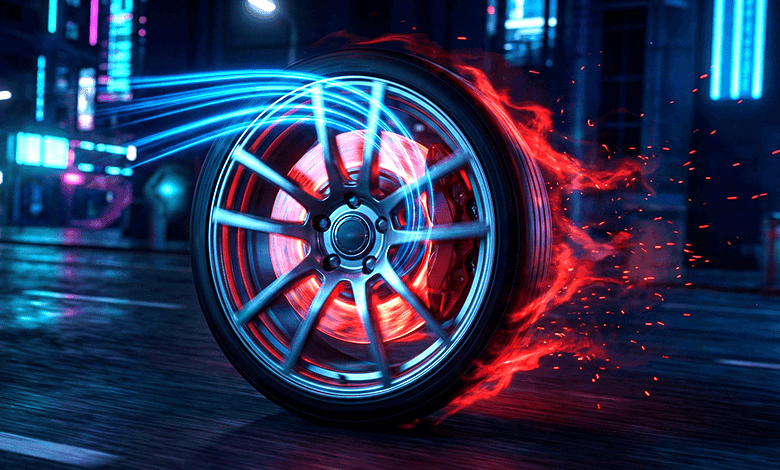
Many roads are wet in winter, and the climate is humid. Frequent braking in such cold weather can cause wear on the brake pads and rotors. In winter, metal components such as brake pads and rotors cool down quickly. When it gets too cold, these components can shrink slightly, which can cause wear on the pads and rotors and reduce brake performance. Again, if the vehicle is not used for a long time in winter, the brake rotor and brake calliper rust.
3. Brake pads, disc brakes, and ABS become stiff in the cold
If the vehicle is not used for a long time in winter or if the car is not covered in severe winter, its brake pads, disc brakes, ABS, etc., can become stiff. This will reduce the brake response while riding. In winter, moisture may form in the parking brake cable. This will prevent the brakes from working smoothly.
4. The risk of brake fade increases in winter
Before driving a car or motorbike in winter, you should take some time to warm up the engine. If you drive hastily in the cold, brake response is reduced, and the driver presses the brakes hard, which can cause the rotor to overheat. The friction of the brake pad and the disc stops the car or bike. If the brake pad and rotor are not correctly balanced, brake fade can occur.
5. Rubber elements and hoses harden in cold weather
When it gets too cold or the vehicle is unused for a long time in winter, the rubber components and hoses of its braking system harden. Therefore, they can break with frequent use. The rubber seals and hoses in the brake system retain hydraulic pressure. If they are not flexible, there is a possibility of an accident.
How is the standard maintenance time of a vehicle affected in cold weather
1. The effectiveness of the brake fluid is lost in severe winter. Check the water content of the brake fluid before winter; in this case, modern DOT 4 fluid is quite adequate.
2. Brake pads and rotors wear out more in winter.
3. ABS sensors and disc rings rust in winter, so they should be cleaned regularly.
4. Check whether the rubber and hoses in the braking system are in good condition. If the rubber seals and hoses burst, the brakes may leak.
5. The parking brake or handbrake cable jams in winter, so it should be lubricated regularly. When parking the car in cold weather, it should be left in park.
6. In cold weather, tyre grip on wet roads deteriorates, reducing braking safety. So check whether the tyre grip is in good condition.
Final Thought
When the weather drops below 5°C, you should be careful about braking and maintenance. You should check the brake fluid level and density regularly. Also, periodically check the brake pads and rotors. Car and bike drivers should take extra precautions to ensure safe braking during winter. Maintaining your vehicle before winter arrives will keep your vehicle's performance in good condition and reduce the risk of accidents.
Frequently Asked Questions
1. Why does the braking performance of a car or motorbike drop in cold weather?
The density of brake fluid increases in cold weather, so it cannot reach the pads as quickly. In addition, the friction level and normal performance of components such as brake pads, rotors, disc brakes, ABS, hydraulic systems, tyres, etc., are affected.
2. Why is there more noise when braking a vehicle in winter?
The brake pads, rotors, rubber elements, hoses, etc., become stiff in cold weather. As a result, friction between the disc and the bearing causes more noise.
3. How often should the brake fluid be changed?
Although Bangladesh does not experience severe winters, the brake fluid should still be changed every 2 years or after driving 40,000 km.
4. Why is the risk of brake fade increased in winter?
Before driving in winter, the engine should be warmed up for some time. Because if you suddenly drive in the cold, the brake response is reduced, and the driver presses the brakes hard, which can cause the rotor to overheat. If the brake pads and rotor are not correctly balanced, brake fade can occur.
5. Can the vehicle's brake pads and discs rust in winter?
Yes, the brake pads, ABS sensors, and disc rings rust in winter, so they should be cleaned regularly.