How to Maximize the Fuel Efficiency of Your Sports Motorcycle


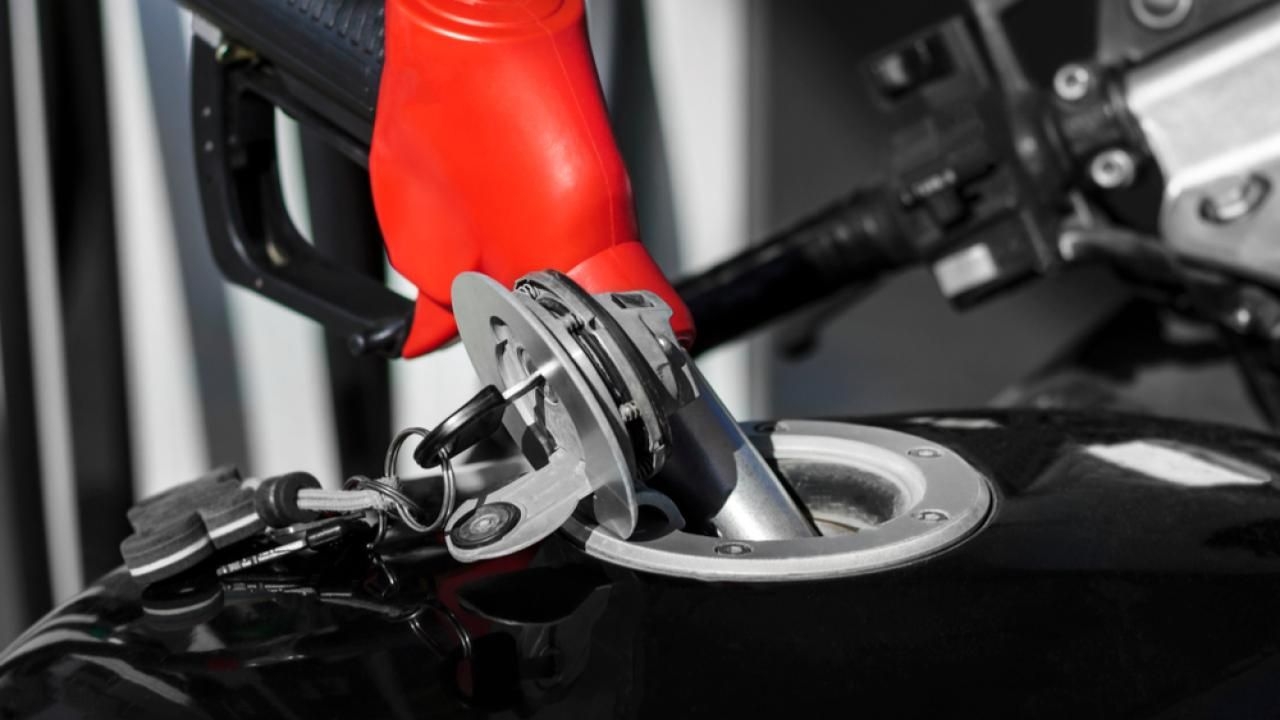
In a bustling place like Bangladesh, especially in cities like Dhaka, bikes and scooters have become the go-to solution for navigating through heavy traffic and tight streets. But with fuel prices constantly creeping up, owning a two-wheeler isn’t as budget-friendly as it used to be. That’s why riders today are paying a lot more attention to fuel efficiency when picking a bike.
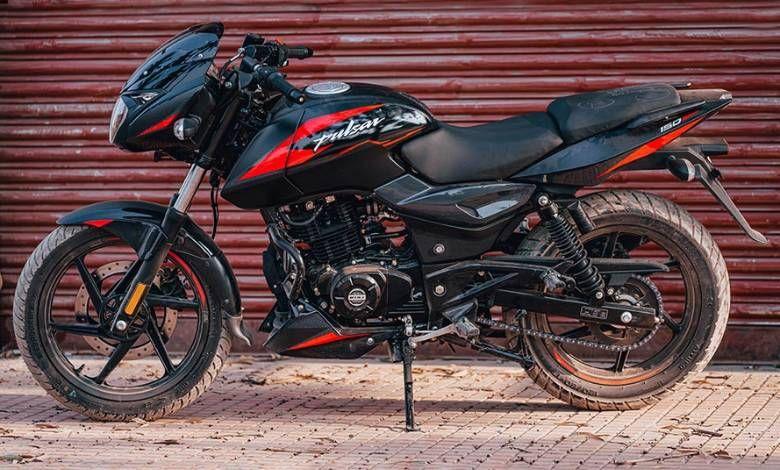
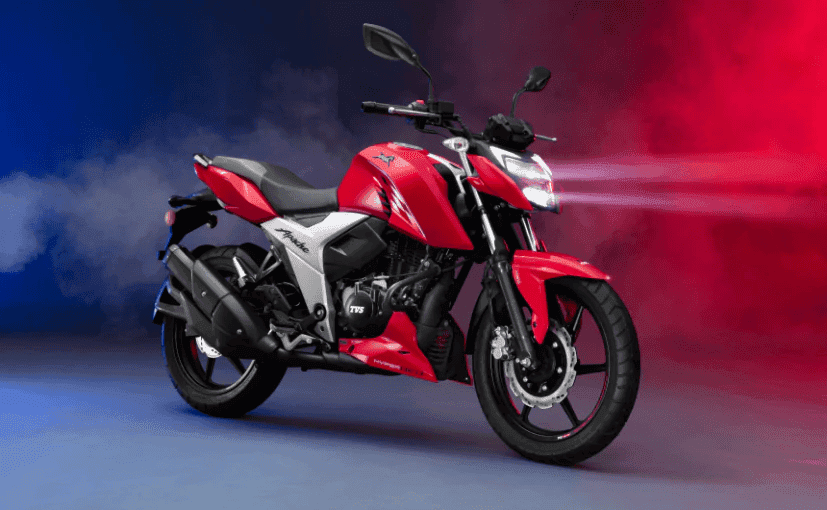
It’s worth mentioning that a bike's mileage can vary quite a bit, and if you want to get the best out of it, you’ll need to follow some smart habits and take care of your ride. In this blog, we’ll explore some simple yet effective ways to boost your sports bike’s fuel efficiency. While sleek looks and thrilling speed are big draws for sports bikes, improving fuel economy is now just as important. Let’s explore a few strategies that can make a significant difference.
Do Not Miss Regular Bike Servicing
Many people overlook routine maintenance, thinking it’s not a significant issue. So, they skip it for months. But certain check-ups really need to be done regularly. For example, make sure to use the right chain lubricant and apply it every 500 kilometers. Keeping the chain clean and well-oiled is key to performance. During servicing, everything from the engine and air filter to the clutch and chain condition gets checked. Skipping these sessions can hurt performance and shorten your bike’s lifespan. Regular maintenance keeps your bike running smoothly and efficiently. Don’t ignore it.
Use Fresh and Clean Fluids
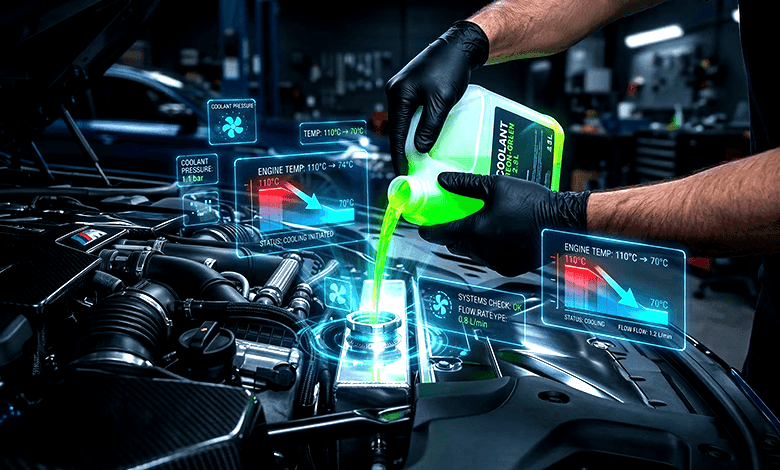
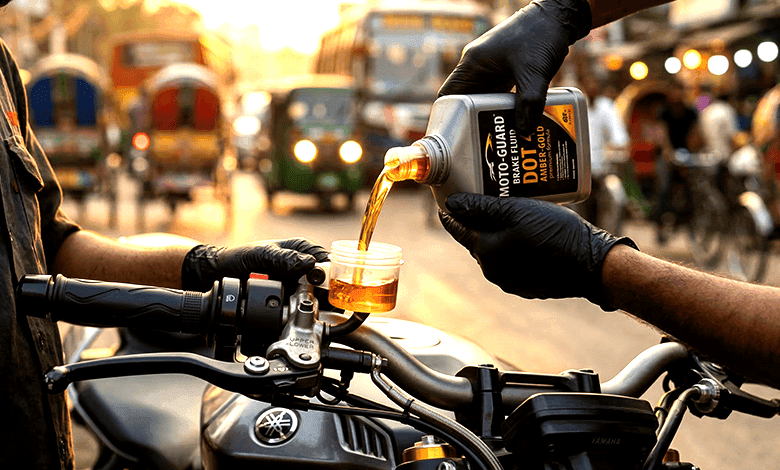
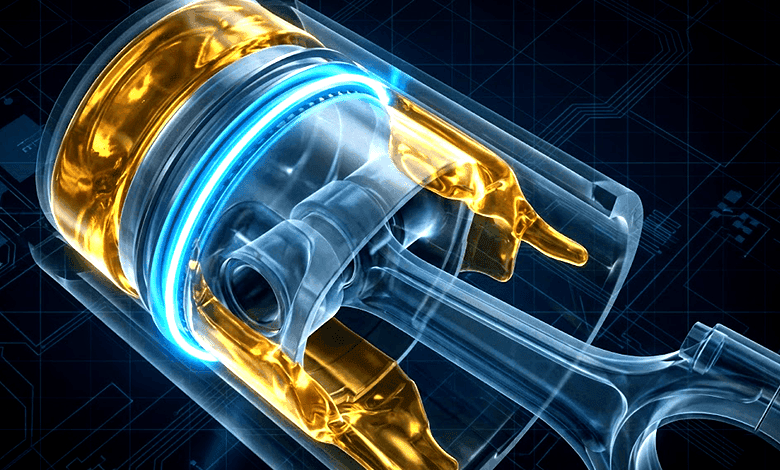
If you thought changing your engine, coolant, or transmission oil was only about maintenance, here’s some good news—it can also improve fuel efficiency. Fresh oil reduces friction and lets your engine run smoother. A new coolant keeps engine temperatures in check, helping with efficient combustion. All these fluid changes go a long way in keeping your engine happy and your fuel consumption low.
Inflate Bikes Tires
Every time you refuel, make it a habit to check your tire pressure. It’s something many riders forget, but tire pressure plays a huge role in fuel efficiency. When tires are underinflated, they create more resistance, which means your engine has to work harder. By simply inflating your tires to the recommended pressure (not more than 2 to 3 psi above the limit), you reduce resistance and improve mileage. Always go with what your bike’s manual suggests.
Ride Your Bike Defensively
Yes, sports bikes are built for speed, but save that thrill for the track—not public roads. Riding too fast isn’t just risky; it also burns more fuel. So, if you're aiming for better mileage, adopt a defensive riding style. Keep speeds between 40 and 55 kph, avoid sudden acceleration and harsh braking. Smooth riding helps keep fuel consumption in check and makes your ride safer, too.
Be Careful about Your Traffic Lights
Many of us leave the engine running at traffic lights without a second thought. But doing this wastes fuel — especially during peak hours. The smarter move? Turn off your bike while waiting at signals or long jams. It may seem minor, but over time, the fuel savings add up.
Clean Your Sports Bike's Fuel System
When your fuel system isn’t working properly, combustion becomes less efficient, which hurts mileage. For bikes with electronic fuel injection (EFI), clean fuel injectors help improve fuel spray and delivery. Carbureted bikes benefit from a deep carburetor clean-up and tune-up. These steps restore ideal fuel delivery and improve efficiency. Sports bikes may look incredible and offer amazing rides, but they’re not always cheap to run. Keeping fuel costs low means taking care of your bike smartly — and it’s absolutely doable with a few good habits.
Conclusion
Riding smart and staying on top of maintenance aren’t just good practices — they’re essential if you want to make every drop of fuel count. Stick to regular servicing, use clean fluids, keep those tires pumped up, ride steady, and don’t idle at signals. Not only will your fuel economy go up, but your bike will also run better, last longer, and give you a smoother, more enjoyable ride. Try these tips consistently, and you’ll start noticing the benefits — in your wallet and on the road.