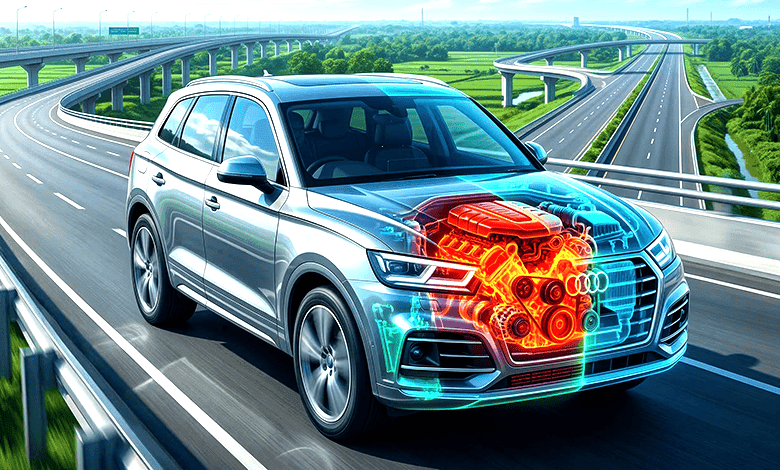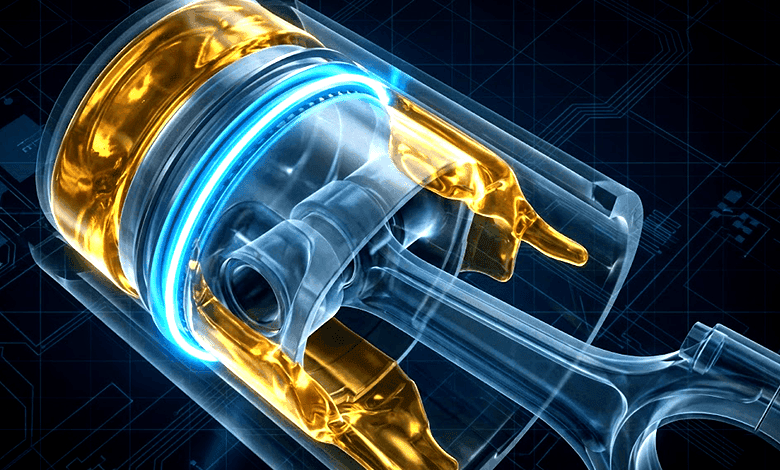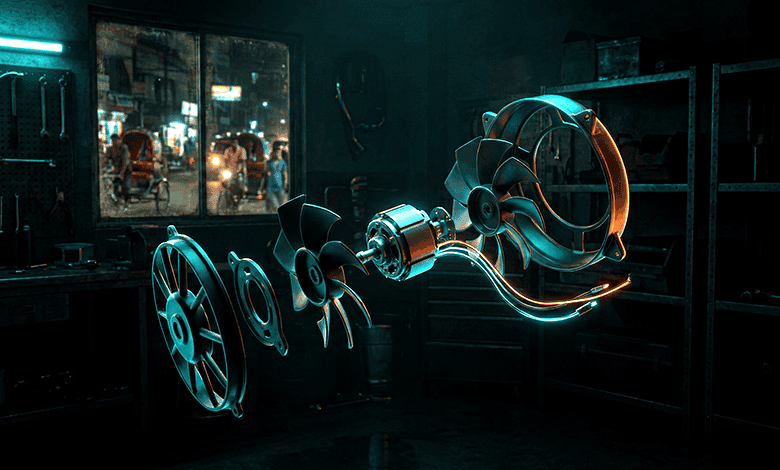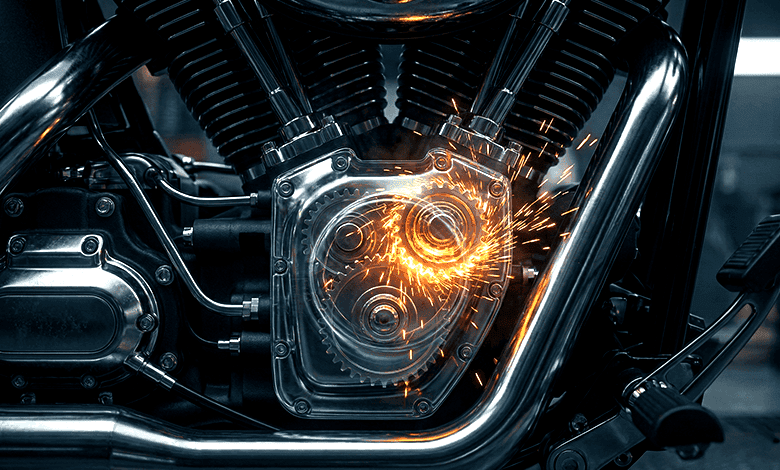

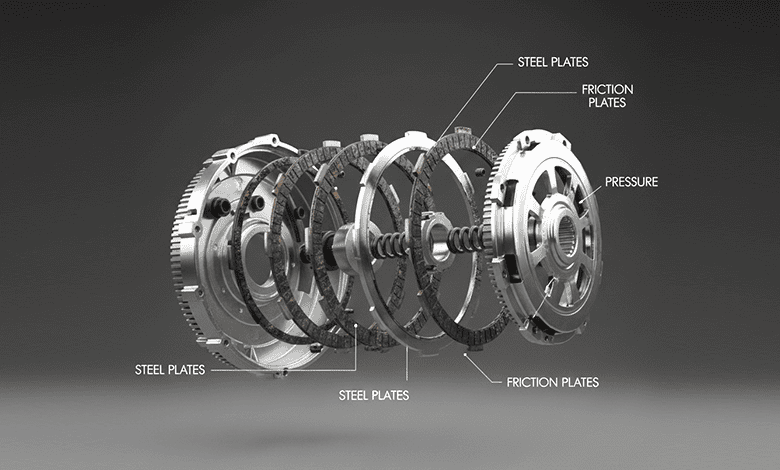
The clutch is an important part of a motorcycle or car, with the help of which the connection between the engine and the gearbox can be controlled. When the clutch lever of the bike is pressed, the power transmission from the engine is stopped, making it easy to change gears. And when the lever is released, the engine's power transmission continues. The clutch is very important in manual transmission bikes and cars.
The clutch plate can wear out or be damaged for various reasons. Over time and with regular use, the friction pads, springs, and plates of the clutch start to wear out. This blog has discussed some signs by which you can easily understand that it is time to replace the clutch.
Don’t Ignore Your Bike’s Clutch Needs Replacement Signs
Clutch problems damage the gearbox, which puts excessive pressure on the engine and increases the risk of accidents when the bike engine suddenly stops on the road. When you notice that your bike is not shifting gears smoothly, the clutch lever feels heavy or is slipping, or there is an unusual noise, see a motorcycle mechanic immediately.
1. Gear slippage
Gear slippage occurs when the clutch disc is worn. If the gear is not engaged properly and the speed does not increase according to the RPM at high speed, you will know that the gear is slipping. If the clutch plate is worn out too much, it should be replaced.
2. Power loss during gear acceleration
With prolonged use, the clutch plates become thin due to friction. As a result, the clutch cannot fully grip, so there is a loss of power during acceleration. Again, if the engine oil leaks, the clutch plate becomes oily. As a result, the clutch slips, causing power loss.
3. If the clutch lever feels too stiff or loose
Usually, the clutch lever becomes stiff when the clutch cable is rusted or jammed. Again, if the clutch cable is dry or the clutch spring is weak, the clutch lever becomes loose. In this case, replacing the clutch plate is the solution; ignoring it for a long time can damage the entire clutch system.
4. If there is a problem changing gears
When the lining of the clutch plate becomes thin, it becomes difficult to engage the gear. In addition, incorrect cable tension, hydraulic fluid problems, and dirt stuck to the plate also cause problems engaging the gear. If this problem occurs, the bike suddenly shakes when the clutch is released while riding, which can lead to an accident. If the clutch is not fixed even after adjusting and cleaning the plate, it is best to replace it.
5. If there is an abnormal noise when engaging the clutch
Uneven wear on the clutch plate or bearing problems causes abnormal noise due to friction. Also, if the spring is weak, the clutch slips and makes noise. Using adulterated or wrong-grade engine oil can damage the clutch and cause abnormal noise. To solve this problem, the clutch plate, spring, and bearing must be replaced together.
6. Excessive vibration when the clutch is engaged while riding the bike
If the clutch plates burn due to excessive heat, uneven wear occurs on the surface of the plates; in this case, vibration occurs only when the clutch is engaged. Also, if the spring of the clutch pressure plate is weak, and if the clutch hub nut is loose, vibration occurs.
7. Unexpected fuel consumption increases
If the clutch does not work perfectly, excess pressure is placed on the engine. In this case, the engine generates more RPM, resulting in more fuel consumption.
8. If you smell a burning smell during normal riding
Usually, if you hold down the half-clutch for a long time, friction between the clutch plate and the pressure plate generates heat, which causes a burning smell. However, if you smell a burning smell during normal riding, it is necessary to check the clutch.
Final Thoughts
Clutch problems start gradually. So if you don't catch the problem in time, there is a risk of big expenses or accidents. If you notice the above symptoms or any abnormality in the clutch, consult a mechanic immediately. Regular engine oil changes, clutch adjustments, and avoiding high-heat situations can keep the clutch in good condition for a long time.
Frequently Asked Questions
1. What kind of problems usually occur in a bike when there is a clutch problem?
The gear slips, the speed decreases, the fuel consumption increases, the clutch lever becomes weak or loose, etc. Problems occur.
2. If the bike does not get to the normal speed, what kind of problem can it be with the clutch?
This is basically a sign of clutch slip. The engine power is fine, but the wheels are not getting the proper torque. This problem occurs when the clutch plate is worn out too much.
3. How many kilometers do you usually have to replace the clutch plate?
The clutch plate should usually be replaced after 25,000 to 30,000 kilometers, depending on riding style, traffic conditions, and bike model.
4. If there is a burning smell while riding the bike, could it be due to a minor clutch problem?
Usually, if you hold down the half-clutch for a long time, friction between the clutch plate and the pressure plate generates heat, which creates a burning smell.
5. Can a bike be ridden with a clutch problem?
Yes, but riding at speed can cause long-term damage to the engine and gearbox.