What to Do When Your Car Overheats: Emergency Cooling Tips on the Road


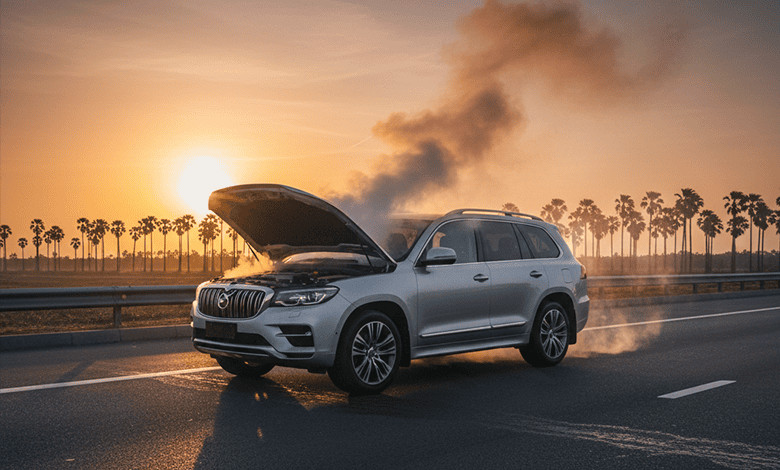
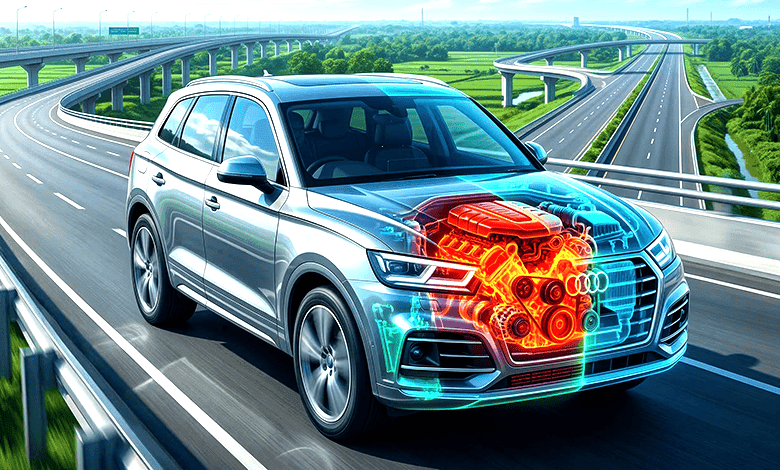
Car overheating is a typical roadside emergency. Especially during hot weather or long drives, this happens frequently. Most often, it occurs suddenly and can cause severe engine damage if ignored. There are clear signs of trouble, such as rising temperature gauges, warning lights, or steam from the hood. Other warning signs include a sweet burning smell or the AC suddenly blowing hot air. Sometimes, drivers panic and make quick mistakes that ultimately worsen the situation. To protect you and your car, you have to know the proper steps to take. You can reduce risks and handle the situation by staying calm, stopping safely, and using proper cooling techniques.
Here are some essential emergency cooling tips every driver should know when their car overheats.
Top 10 Emergency Tips When Your Car Overheats
1. Stay Calm and Reduce Speed Immediately
As soon as you identify overheating signs, slow down immediately. When you drive fast, it increases engine stress and heat. So stay calm and make safer decisions.
2. Pull Over to a Safe Location
Search for a safe place away from the traffic and stop the car. Don’t keep driving; it may cause severe engine damage.
3. Turn On the Heater Before Stopping
If you can’t stop and are still moving, turn on the heater. It will help pull heat away from the engine. Temporarily, it can reduce the temperature.
4. Turn Off the Engine
After stopping the car, the first thing you need to do is to turn off the engine. Why? Because a running engine keeps producing power, it makes it hot. When you turn it off, it starts to cool.
5. Do Not Open the Hood Immediately
It is not needed to open the hood immediately. It may expose you to hot steam or fluids. Please wait a moment while we check the engine area.
6. Open the Hood Carefully After Cooling
When you feel safe, you can open the hood, but please be careful. This will help you gradually release trapped heat. This will also reduce injury risk.
7. Never Open the Radiator Cap While it is hot
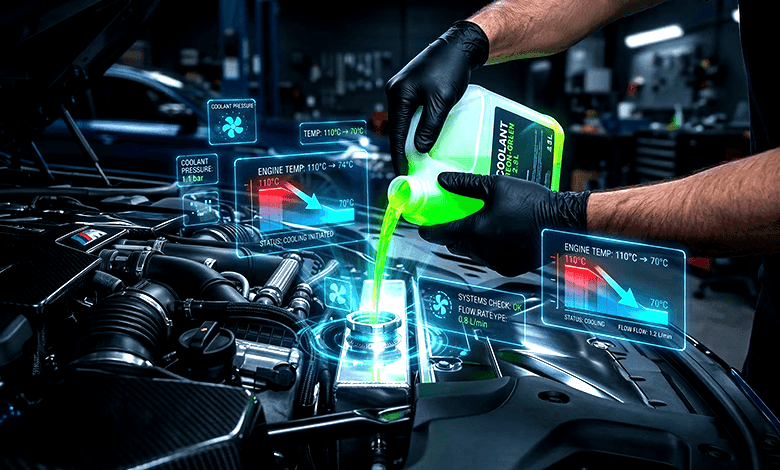
Usually, hot coolant is under pressure. It can spray out violently. Only after the engine is fully cool should you consider opening the radiator cap with a cloth.
8. Watch the Temperature Gauge Closely
If you have to move the car, monitor the temperature constantly. If the needle rises quickly, please stop instantly.
9. Use Hazard Lights for Visibility
Turn on hazard lights to alert other drivers. It is an obvious task when you need to stop on the roadside or in low visibility.
10. Call Roadside Assistance or a Mechanic
If overheating continues, don't panic. Seek professional help. You can tow the car. It is safer than driving further.
Final Thoughts
We all know that car overheating is stressful. Still, you need to calm yourself down. Correct and cool-headed actions can prevent severe damage. Try to stop your car slowly and allow the engine to cool. Do not repeatedly restart the engine, as this increases engine damage. Protecting your engine and personal safety should always come first.
Frequently Asked Question
1. Should I keep driving if my car starts overheating?
No, you shouldn't. Driving further can damage the engine. Slow down and stop safely.
2. Can turning on the heater really help cool the engine?
Yes. Temporarily, it pulls heat away from the engine. It can reduce temperature while stopping safely.
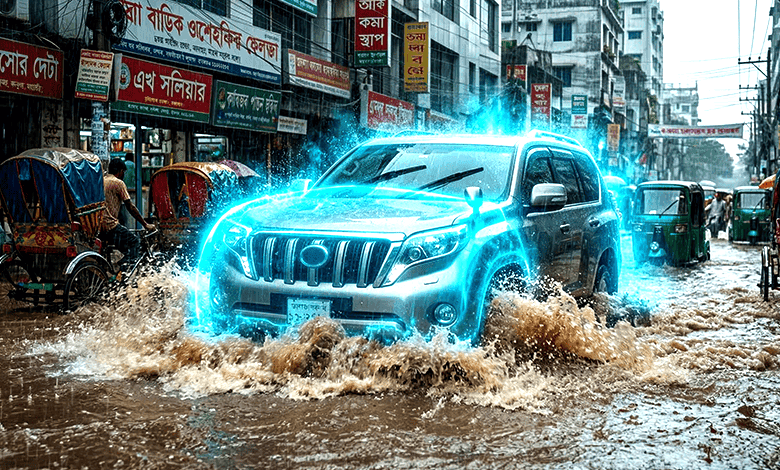
3. Is it safe to pour water on the engine if my car overheats in Dhaka Traffic?
No. This is a terrible idea. Because sudden cooling can cause severe damage to engine parts. In Dhaka traffic, it is safer to stop, turn off the engine, and let the engine cool naturally.
4. How long should I wait to open the hood?
It is advised to wait 10-15 minutes. It will reduce heat and pressure by this time.
5. What usually causes a car to overheat?
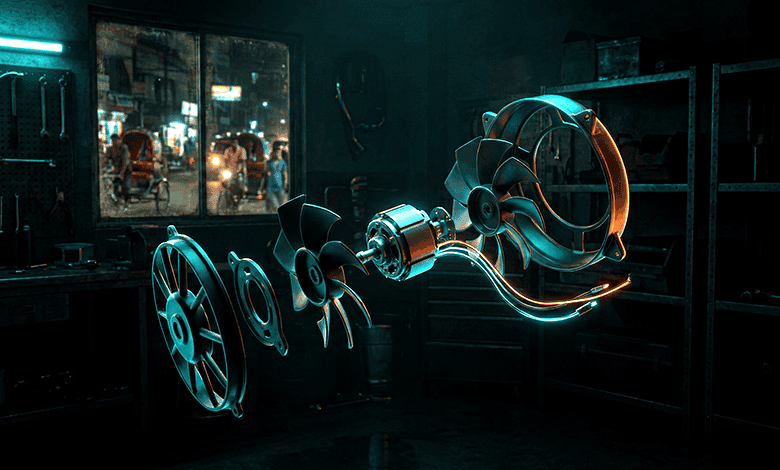
Common causes include low coolant levels, radiator problems, fan issues, and heavy traffic in hot weather.