How to Extend Clutch Plate Life in Heavy City Traffic


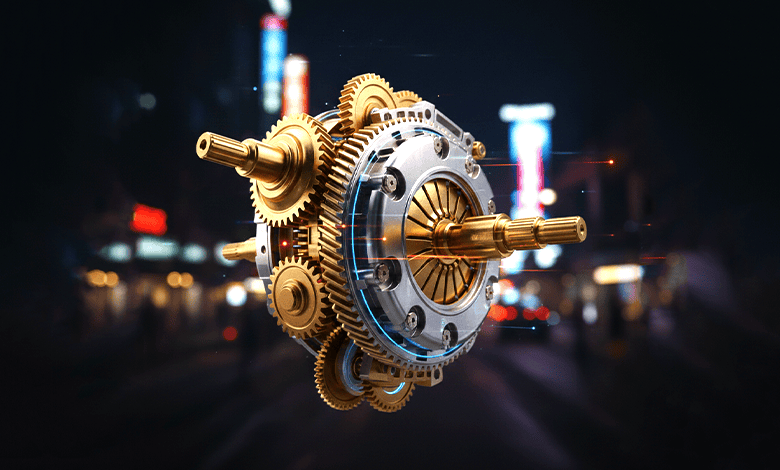
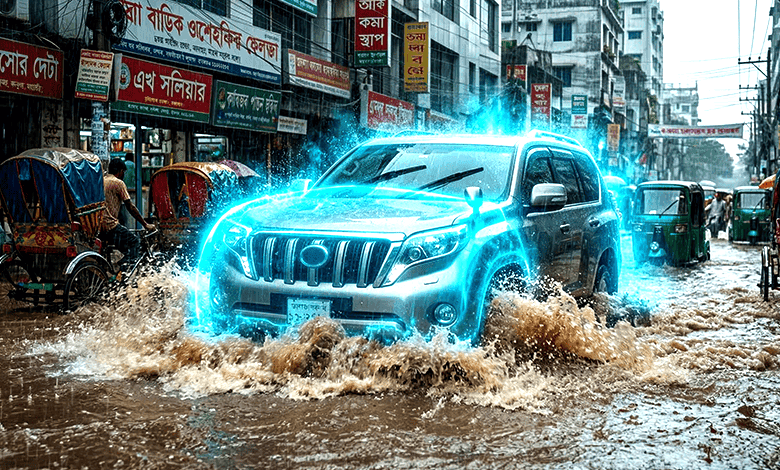
Clutch plates wear out due to frequent friction. It connects the engine to the gearbox. In heavy urban traffic, frequent gear changes and repeated clutch engagement and disengagement shorten the lifespan of the clutch plate. In this stop-and-go driving, the clutch plate is damaged for two main reasons: one is holding the clutch down unnecessarily (Riding the Clutch), and the other is frequently using the clutch instead of the brake to control the car in traffic (Half-clutch position). If the clutch plate wears out prematurely, vehicle drivability deteriorates, and repair costs increase.
With proper driving techniques, clutch plate care, and regular maintenance, you can significantly enhance the durability and performance of your car's clutch plate, even in heavy city traffic. This blog discusses in detail how to extend clutch plate life in heavy urban traffic. It also highlights how to reduce pressure on the clutch, what mistakes to avoid, and how to maintain it.
How to keep the clutch plate in good condition for a long time in heavy traffic in the city
1. Keep the car in neutral gear when stopping in traffic
If you need to stop for a long time in traffic, release the clutch fully and keep the car in neutral. Holding the clutch for a long time can damage the release bearing, clutch spring, and pressure plate. When stopped in traffic, keep the car in neutral and use the handbrake. On high, sloping, or hilly roads, do not keep the car stationary or parked unnecessarily. This affects the balance of the clutch and accelerator. Use the handbrake to keep the car from moving forward or backward.
2. Avoid Riding the Clutch
Many drivers are used to driving with their feet on the clutch. This subconscious habit is called 'riding the clutch'. If you always keep your foot on the clutch, the clutch plate does not disconnect completely with light pressure. Repeated light pressure causes friction on the clutch plate, quickly burning the clutch lining and causing the plate to deteriorate rapidly. Stop holding the clutch or leaving it on unnecessarily. Shift the gear and release the clutch. In long traffic, it is best to leave the car in neutral gear and release the clutch.
3. Use the footbrake or handbrake instead of the half-clutch
In stop-and-go traffic, you should avoid half-clutching as much as possible, i.e., fully engaging or fully disengaging the clutch. Many drivers use the 'half-clutch' instead of the footbrake or handbrake to keep the car stationary on slopes, hilly roads, or flyovers. 'Half-clutch' means using the clutch frequently instead of the brakes to control the car. This is very harmful to the clutch plate. Because it generates a lot of heat from friction, increasing the risk of the plate burning. Use the footbrake or handbrake to stop the car.
4. Shift gears smoothly
After starting the car in traffic, drive at minimum revs or rpm. When you apply extra RPM to increase speed, shift gears quickly, or increase torque, the clutch slips, which increases friction. This causes the clutch plate to overheat and wear out quickly. Slowly release the clutch and balance the accelerator. Change gears according to the speed of other vehicles in traffic.
5. Maintain adequate distance from other vehicles in traffic
Be careful not to drive your car bumper-to-bumper in traffic. Instead of repeatedly pressing the clutch to move forward in traffic, create some distance from the vehicle in front. Then smoothly release the clutch and cover that distance in one go. In heavy city traffic, it is generally recommended to drive in 1st gear.
Some tips to save the clutch plate in traffic jams
Frequent clutch slipping, where the engine RPM increases without the speed increasing, indicates a failing clutch. In addition, if you smell a burning smell in the clutch, if the gear shifting is not smooth, and if there is a strange noise of friction, you will understand that there is a problem with the clutch plate.
Finally
Driving in traffic is quite stressful; in such situations, the clutch plate is under the most pressure. Keeping the clutch plate secure is essential for the safety of the car and you. Replacing and repairing the clutch plate is quite expensive. By following proper driving habits and a few simple tips, the durability of the clutch plate can be greatly increased. Many drivers don't realize that their driving habits are damaging the clutch plate and increasing repair costs. Planned driving helps extend the life of the clutch plate. Do not increase speed suddenly or brake hard; drive wisely based on the traffic situation, as this will reduce the need to repeatedly engage the clutch.
Frequently Asked Questions
1. Why do clutch plates wear out quickly in city traffic?
In heavy city traffic, you have to change gears frequently and repeatedly release and squeeze the clutch. This causes the plate to burn out quickly due to excessive friction between the clutch plate and the clutch disc. Therefore, the life of the clutch plate is much shorter than normal.
2. Why is 'riding the clutch' harmful?
This means holding the clutch down unnecessarily. Many drivers hold the clutch down a little while driving, which causes the clutch plate to wear out quickly due to excessive heat and friction.
3. How should you use the clutch in traffic?
If you need to stop for a long time in traffic, release the clutch fully and put the car in neutral. Holding the clutch down for a long time can damage the car's release bearing, clutch spring, and pressure plate. In traffic, put the car in first gear and use the handbrake. To move forward, press the clutch, engage the gear, and release it smoothly.
4. How should you use the clutch when you are in traffic on a slope, hilly road, or flyover?
Use the handbrake to prevent the car from rolling back on a slope, hilly road, or flyover. When moving forward, slowly release the clutch, press the accelerator, and release the handbrake.
5. What are the signs that you will know if there is a problem with the clutch?
Frequent clutch slipping: if the engine RPM increases without the speed increasing, the clutch is failing. In addition, if you smell a burning smell in the clutch, if the gear shifting is not smooth, and if there is a strange noise from the friction, you will know that there is a problem with the clutch plate.