Motorcycle Chain Sprocket Wear: When Replacement Is Unavoidable


The chain and sprocket are the most important components of a motorcycle’s power transmission system. The chain and sprocket function to transfer engine power directly to the rear wheel. Over time, these parts wear out due to friction, dust, poor lubrication, and riding habits. There are some early signs that indicate the parts may get damaged soon. Many riders usually ignore these early signs. Ultimately, this leads to poor performance and safety risks. A worn chain and sprocket can cause vibration, noise, and even sudden failure. Riders do face this while riding. Knowing when replacement becomes unavoidable helps you prevent breakdowns. Also, it may help improve riding comfort and protect other engine components from excess stress.
Top 10 Signs Chain Sprocket Replacement Is Unavoidable
1. Sprocket Teeth Look Sharp or Hooked
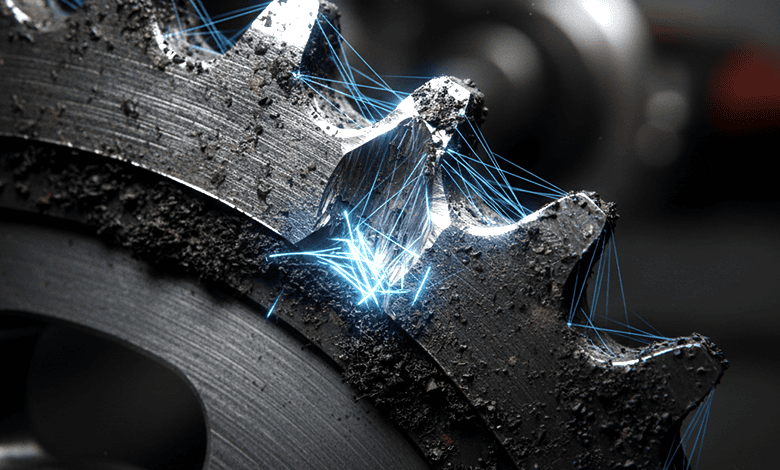
Good sprocket teeth have always been smooth and rounded. When these teeth become sharp, pointed, or hooked, it shows long-term wear. This shape prevents the chain from sitting properly. Also, this indicates that replacement is mandatory.
2. Chain Keeps Getting Loose
If you notice the chain becomes loose again after adjustment, it may mean the chain and sprocket have worn internally. So in this situation, tightening the chain is no longer a solution. The parts have already reached the end of their usable life.
3. Jerky or Rough Power Delivery
A worn chain sprocket cannot deliver power well. This often feels like sudden jerks while accelerating. Also, it feels like an unstable pull at a steady speed. Smooth riding becomes difficult, especially in traffic and even at low speeds.
4. Excessive Noise from the Chain Area
Unusual sounds, such as grinding, clicking, or rattling, are strong warning signs. These noises usually happen when worn sprocket teeth and chains fail to mesh smoothly.
5. Visible Rust and Stiff Links
Rust weakens the metal surface. Stiff chain links indicate internal damage. This type of damage cannot be fixed by lubrication. Don't ride with these issues. Riding with these issues increases the risk of chain failure. Ultimately, it lacks safety.
6. Chain Skips on the Sprocket
If the chain slips over the sprocket teeth during acceleration, it becomes extremely dangerous. This can even cause sudden loss of control. So, immediate replacement is the best option.
7. Uneven Wear on Rear Sprocket
A rear sprocket that shows uneven wear, chipped edges, and broken teeth is no longer reliable. Don't continue riding with such damage. It not only increases stress on the chain but also raises the risk of accidents.
8. Poor Acceleration Response
When the chain sprocket is worn, power transfer from the engine becomes less efficient. You may see that the engine is performing normally while the bike accelerates slowly. This reduces performance and fuel efficiency.
9. Frequent Chain Lubrication Doesn’t Help
Lubrication usually improves smoothness. If regular lubrication can’t reduce noise or roughness, it means wear has exceeded the service limit. In this situation, you can’t avoid replacement.
10. High Mileage Without Replacement
Definitely, every chain sprocket has a fixed lifespan. After a long mileage, even parts that look normal from the outside may be weak internally. Don’t avoid replacement at this stage, even if the components seem fine from the outside.
Final Thoughts
Chain sprocket wear should never be ignored. Delaying replacement will affect safety, performance, and other important components. When you replace worn parts on time, you will have smoother rides, better power delivery, and long-term reliability.
Frequently Asked Question
1. Can I replace only the chain or sprocket?
No. Experts suggest replacing both the chain and the sprocket. Replacing both together ensures proper fit, smooth performance, and longer lifespan.
2. How long does a chain sprocket usually last?
A chain sprocket’s longevity mainly depends on riding style and maintenance. Usually it lasts between 20,000 and 30,000 kilometers.
3. Is riding with worn sprockets dangerous?
Yes, definitely. Riding with worn sprockets may cause chain failure, loss of control, and serious accidents at any time.
4. Does riding in the rain increase wear?
Yes, surely. Riding in the rain increases wear because water and dirt wash away lubrication, leading to increased rust and friction.
5. Can regular lubrication prevent replacement?
Not necessarily. Lubrication helps, but it cannot stop natural wear forever. Replacement is unavoidable over time.