How to Reduce Engine Noise and Vibration in Older Cars



With regular use and aging, annoying engine noise and vibration can increase. Such problems can occur for various reasons, including engine parts deteriorating, engine mounts loosening, dirt accumulating in the engine, spark plug defects, exhaust leaks, and the use of low-quality engine oil. Additionally, with regular use, the lubricant's effectiveness in the engine decreases, and the parts begin to wear out. It is quite difficult to eliminate the engine noise and vibration of an old car, but it is possible to reduce them. If you follow some techniques and do proper maintenance, it is possible to get new-like performance from an old car.
Engine noise and vibration not only disrupt the car's performance but also the driver's concentration. Regular care, proper lubrication, and knowledge of minor repairs can greatly reduce the noise and vibration of an older car's engine. This blog discusses in detail how to reduce engine noise and vibration in older cars.
How to Reduce Noise and Vibration in an Old Car Engine
1. Tune up and protect the engine
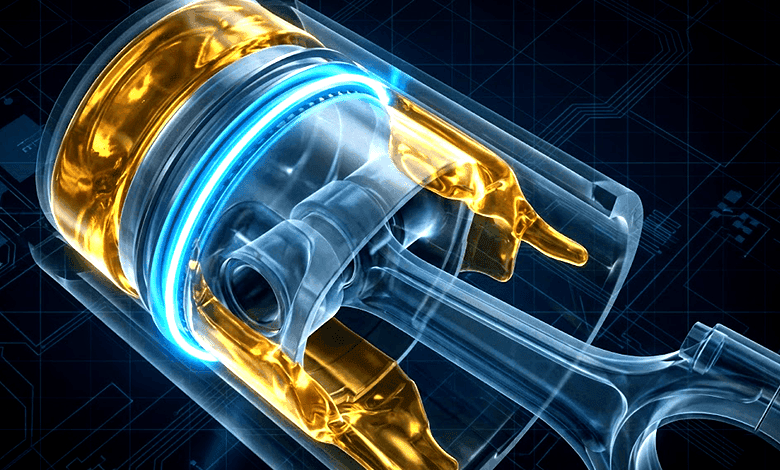
Noise and vibration are usually felt from the engine when there is a mechanical fault. Abnormal or excessive noise usually indicates a problem with the engine's spark plug and ignition system. Faulty plugs cause misfire, and when a cylinder misfires, the engine starts vibrating. In addition, abnormal noise occurs when the drive belt becomes loose. In addition, noise and vibration can occur in the engine if the air filter and fuel filter are dirty. High-quality engine oil reduces friction and reduces noise. Check the spark plug, ignition, throttle body, and drive belt thoroughly.
2. Check the engine mount
The engine mount absorbs engine vibration. It is made of rubber and metal, which keeps the engine attached to the car frame. As the car gets older or is used for a long time, the engine mounts dry out, crack, or become soft, allowing engine noise and vibration to be heard from the outside. Engine mounts are not easily damaged, but if damaged, replacement is the only solution.
3. Install soundproofing insulation or sound-damping
You can install soundproofing insulation pads under the hood so the engine noise will spread less outside. To prevent engine noise and vibration from entering the car, modern elements such as hood liners, deadening mats, closed-cell foam, and damping sheets can be used. These are made of rubber and foam, which absorb sound and vibration. Soundproofing elements can be used on the firewall between the engine and the dashboard, the floor, the doors, and the hood. These can be installed at a relatively low cost at a good local servicing center.
4. Check the car's exhaust or silencer
Check the joints of the car's exhaust or silencer pipes for leaks. If there are any corrosion, holes, or cracks in the pipes, muffler, or catalytic converter, these cause noise and vibration. If there is a simple problem with the exhaust or silencer, it is enough to repair it. If it is damaged further, replace it. If it is still not as expected, you can use an 'exhaust resonator'.
5. Check the balance of tires and wheels
If the alignment of the tires and wheels is not correct, the car will vibrate. If the tires are too old or hard, the friction with the road will cause annoying noises. If you feel vibration in the steering wheel while driving, you should have it serviced immediately. Go to the service center and have the car’s wheel balancing and alignment checked. This vibration is primarily caused by uneven wheel alignment, rather than the engine.
Even if the suspension setup is incorrect, the car will still vibrate. If the engine RPM (Revolutions Per Minute) is incorrect, annoying noises are produced. Even if a car body panel becomes loose, it can cause noise and vibration.
Final Thought
With proper care, maintenance, and troubleshooting, you can reduce the excessive noise and vibration of an older car's engine. In most cases, these problems can be solved without much expense. Properly inspecting and repairing the engine tune-up, engine mounts, sound insulation, wheel-tire balancing, and exhaust system of an older vehicle will greatly reduce engine noise and vibration. If you know how to do minor repairs and maintain it regularly, even an older car will serve you for a long time.
Frequently Asked Questions
1. How can you reduce engine noise and vibration in an older car?
Properly inspecting and repairing the engine tune-up, engine mounts, sound insulation, wheel-tire balancing, and exhaust system of an older vehicle will greatly reduce engine noise and vibration.
2. What are the main causes of engine vibration in an older car?
The most common cause is damaged engine mounts. Engine mounts dry out and crack or soften over time, so engine noise and vibration can be heard from the outside.
3. What are the main causes of engine noise in older cars?
If there is a problem with the engine's spark plug and ignition system, there will be abnormal or excessive noise. In addition, if the drive belt is loose, it will make an abnormal noise. In addition, if the air filter and fuel filter are dirty, the engine may make noise.
4. How effective is soundproofing insulation in older cars?
Yes, it works very well. Installing soundproofing insulation pads under the hood reduces engine noise to the outside. Modern elements such as hood liners, deadening mats, closed-cell foam, and damping sheets can be used to block engine noise and vibration from entering the car.
5. What kind of problems can occur if the exhaust of an older car has cracks or leaks?
If there are corrosion, holes, or cracks in a car's exhaust or silencer pipe, they can cause loud noises and vibrations.