When to Replace Your Car’s Timing Belt or Chain


The timing belt or chain is among the most important components of your car’s engine. It helps keep the engine’s internal parts working in sync. Damage from a timing belt or chain failure can be severe and expensive. Unlike many other components, it usually does not show clear symptoms in the early stages. So many drivers ignore it. But knowing when to replace your car’s timing belt or chain can help you avoid sudden breakdowns and costly engine repairs.
Understanding the difference between a timing belt and a timing chain
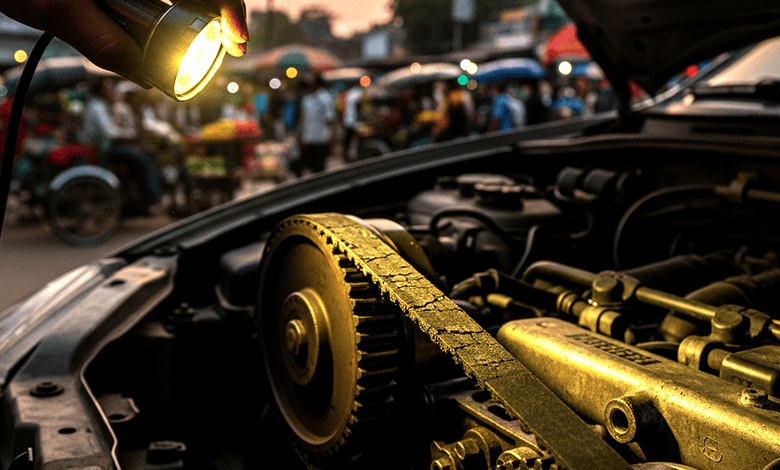
There is an important difference between a timing belt and a timing chain. It is important to understand it before discussing replacement timing. Timing belts are made of rubber and reinforced with fibers. They don’t make any noise. But they wear out over time. On the other hand, timing chains are made of metal and are generally more durable. But it does not mean they last forever. Both types serve the same purpose but have different maintenance needs.
Manufacturer’s recommended replacement interval
You should rely primarily on your manufacturer’s recommendation for replacing the timing belt or chain. Timing belts require replacement between 60,000 and 100,000 kilometers, depending on the car model and driving conditions. Timing chains usually last longer and often don’t have a fixed replacement interval, but they still require regular inspection.
Warning signs you should not ignore
Worn-out timing belts or chains don’t usually show any major symptoms. But you will notice some warning signs if you’re careful. These signs may include ticking noises from the engine, difficulty starting the car, engine misfires, or rough idling. In some cases, the check engine light can get triggered. You should never ignore these signs, especially if you’re driving a car with high mileage.
Why timely replacement matters
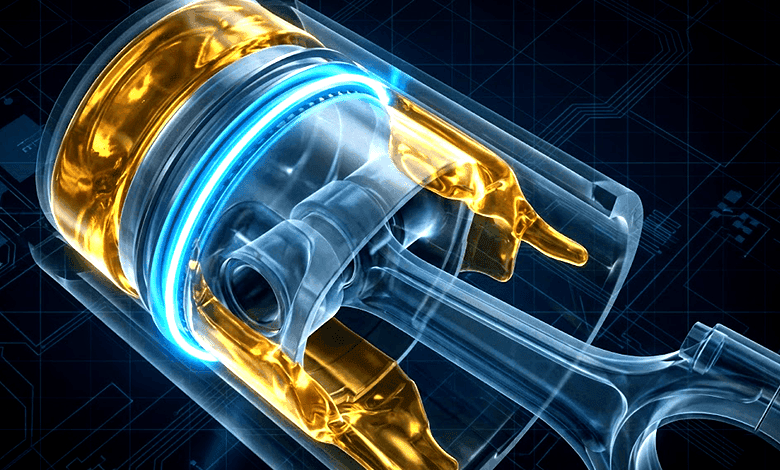
It can cause serious engine damage if your car’s timing belt breaks while driving. If your car has an interference engine, you should be more careful regarding this. Valves and pistons can collide, resulting in costly repairs. Replacing a timing belt or chain is relatively affordable compared with major engine repairs. But it will cost a lot to repair your engine if the timing belt breaks. So preventive maintenance is always a smarter option.
Conclusion
The timing belt or chain may not be a visible part of your car’s engine, but it is crucial for engine health. That’s why you should follow your manufacturer’s replacement schedule, pay attention to early warning signs, and maintain good driving habits. By being proactive, you can keep both you and your passengers safe.
Frequently Asked Questions
1. How to know if my car has a timing belt or a timing chain?
You can check your manufacturer’s manual or ask a trusted mechanic to confirm.
2. Can a timing chain last for life?
No. Timing chains are durable, but poor maintenance can cause early failure.
3. Is it safe to drive with a worn timing belt?
No. A worn timing belt can snap without warning, causing serious engine damage.
4. Should I replace other parts along with the timing belt?
Yes. Water pumps, tensioners, and pulleys are often replaced together to avoid future issues.
5. Is timing belt replacement expensive?
It may seem costly, but it is much cheaper than repairing engine damage caused by belt failure.