Hybrid vs. Non-Hybrid Cars in Dhaka Traffic: Which Saves More Fuel?



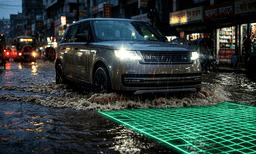
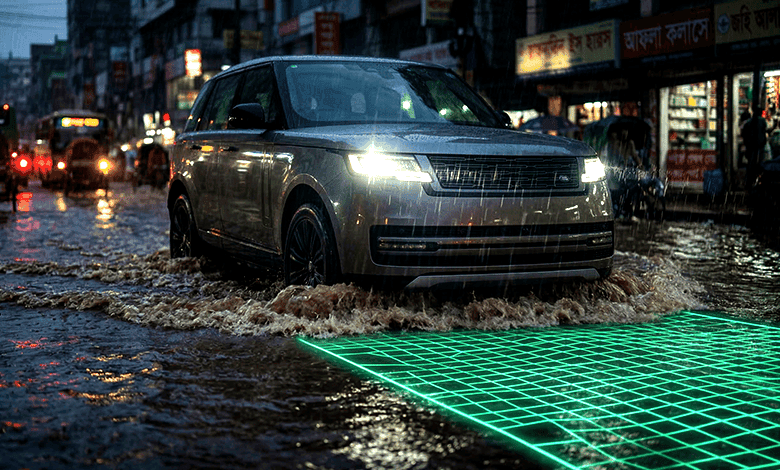
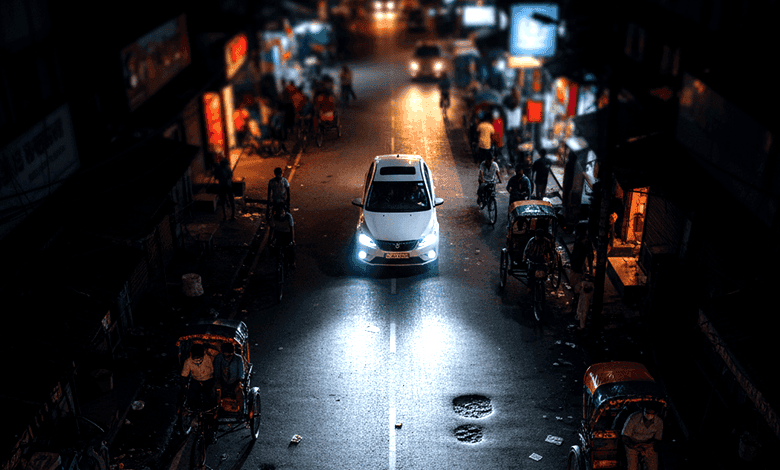
People who regularly travel in Dhaka already know that traffic in this city is not only slow but also erratic, stalled, and tiresome for drivers and fuel cars. This is the kind of environment in which fuel consumption is one of the most critical factors for a hybrid car versus a non-hybrid car. Whereas conventional vehicles have dominated Bangladeshi streets for decades, hybrid technology is transforming the discourse on what constitutes fuel efficiency in cities across the country.
However, does a hybrid car really consume less fuel in Dhaka, or is this merely a marketing gimmick? Let us bring it down in a practical, real-life manner.
Learning about the Dhaka Traffic and Fuel Consumption Reality
Traffic in Dhaka is characterized by frequent deceleration, long periods of idling, and low speeds. Cars are not moving at a steady pace; instead, they spend more time at traffic lights or crawling. The effect this traffic pattern has on fuel consumption is evident in non-hybrid vehicles with solely internal combustion engines.
In a default car, the engine is powered on as long as the vehicle is not in motion. All time wastage consumes fuel but does not move the distance. Over time, this results in significantly increased fuel consumption, especially during daily commuting or school drop-offs.
Hybrid cars, however, are specifically designed to cope with this type of driving condition more effectively.
Fuel Savings in A Hybrid Car on An Urban Commute
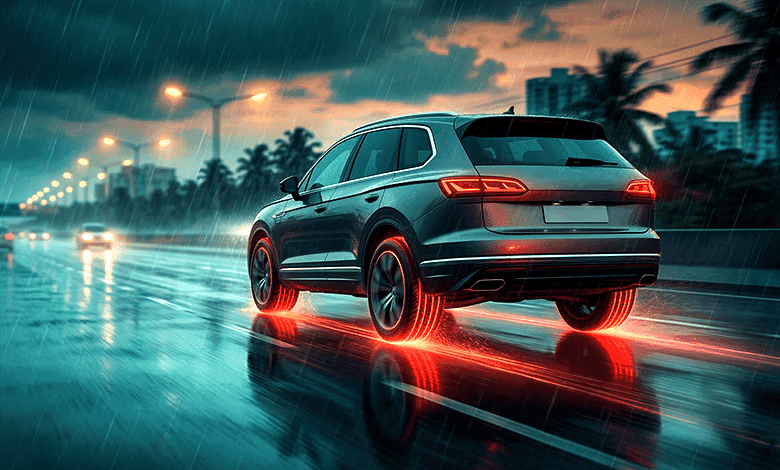
The hybrid automobile consumes petrol and is powered by electric power. Most or all of the work is frequently done by the electric motor in slow traffic during short movements. Upon stopping the car, the petrol engine stops automatically. This fact is enough to make this feature significantly reduce fuel consumption in Dhaka traffic.
When you are accelerating slowly or traveling a few meters in moving traffic, the electric motor does not use fuel; it draws power from the battery. The petrol engine is on only when more power is required, i.e., when on open roads or sudden acceleration. The ability to switch power sources intelligently makes a hybrid car much more fuel-efficient in city driving. These little savings added up to a considerable savings at the fuel station over the months of everyday driving.
Why Non-Hybrid Cars Struggle to Be Fuel-Efficient in Dhaka
The non-hybrid cars are ideal on highways where traffic is uniform, and the engines are at their most efficient. Unfortunately, there is hardly any such driving in Dhaka. The engine works inefficiently in city conditions, with frequent gear changes, engine idling, and stop-start driving.
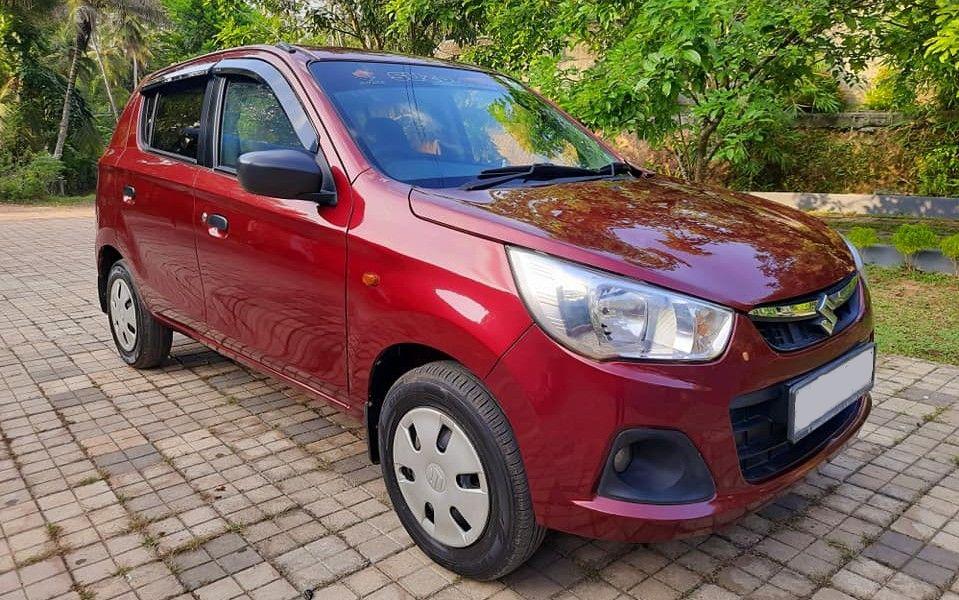
With oil and gas prices in Bangladesh still rising, the increased fuel consumption of non-hybrid vehicles is even more conspicuous. They might be lower in purchase price, but their fuel costs in terms of fuel consumption in the long run are very high for urban-based drivers.
This does not imply that non-hybrid cars are unfavourable, but it does mean they are less fuel-efficient in areas with heavy traffic, such as Dhaka.
Comparison of Real World Fuel Efficiency
In practice, many hybrid car users in Dhaka have reportedly achieved significantly better mileage than similar-sized non-hybrid cars. A non-hybrid vehicle may not achieve good mileage during peak hours, whereas a hybrid car can still perform efficiently even when traffic is barely moving.
This disparity is particularly evident to those who need to commute daily within the city, not just a few times on the highways. The heavier the traffic, the more the hybrid car will benefit in terms of fuel consumption.
Long-Term Cost vs. Short-Term Savings
The first prevalent issue is that hybrid cars cost more upfront. Although this is a fact, the cost difference is often offset by long-run savings in fuel consumption. For drivers in Dhaka who have been driving for many years, low fuel costs may make a hybrid car economically viable in the long term.
Non-hybrid cars also suit drivers who use the city less or spend more time on the highway. However, with a daily city commute, fuel efficiency is more critical than sheer engine power.
Which of the Two Makes More Sense to Dhaka?
When you make most of your trips on the streets of Dhaka, it is evident that a hybrid vehicle is more fuel-efficient. It is designed precisely for this type of world: slow, congested, and crowded, with many stops.
A non-hybrid car can also be an excellent alternative to a budget shopper or a citizen who does not spend much time in the city. Nonetheless, hybrid technology is making a distinct impact on fuel efficiency in Dhaka traffic.
Final Verdict
Fuel consumption is a concern every day in the reality of Dhaka traffic, where every signal is a slowdown, and each kilometer takes time. When on the go, a hybrid car significantly reduces fuel waste at low speeds and when the vehicle is not in motion, making it much more fuel-efficient than its non-hybrid counterpart in a city.
When it comes to saving fuel, cutting on monthly spending, and intelligent driving in the city, a hybrid vehicle is not only a trend but also an effective solution for Dhaka streets.
Frequently Asked Questions
1. What is a hybrid car?
A hybrid car uses both a gasoline or diesel engine and an electric motor to drive.
2. What is a non-hybrid car?
A non-hybrid model is a car powered by a petrol or diesel engine; it uses fuel only.
3. Which one is more fuel efficient, in Dhaka, a hybrid or a non-hybrid?
In Dhaka traffic, a hybrid car would be more fuel-efficient because the fuel consumption is less when the engine is in idle mode.
4. What is the reason why a hybrid car consumes less fuel on the urban roads?
A hybrid car consumes less fuel because it uses electric power at low speeds and switches off the engine when stopped.
5. Will a hybrid car be even cheaper to run in the long run?
Sure, hybrid cars are low in fuel consumption, hence cheaper to operate in the long run.