Safe Overtaking Practices on Two-Lane Highways in Bangladesh


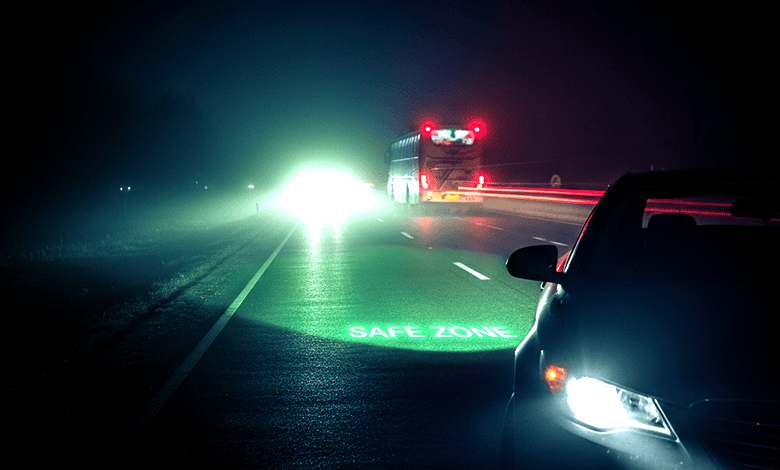
Two-lane highways in Bangladesh can always be confusing to drivers. So many types of vehicles move at different speeds, making overtaking almost inevitable. But we also have to understand that overtaking is one of the primary reasons behind accidents on highways. That’s why every driver needs to learn some safe overtaking practices on highways before going there.
When you should not overtake
You should never overtake while rushing on highways. If you can not see the road ahead clearly, you'd better stay behind. On Bangladeshi highways, curves, bridges, and roadside markets are very common. These places leave minimal margin for error. As a driver, you should understand one thing very clearly: situations on highways can change within seconds.
Give more importance to speed and distance
Your judgment of speed and distance should be sharp when you are on a highway. Oncoming buses and trucks often feel slower than they actually are. Misjudging speed and distance can lead to head-on collisions. So it’s better not to overtake unless you are sure that you can complete it.
Signal early and clearly
Signaling plays a crucial role in keeping you safe on highways. But most drivers tend to ignore it. The rule is simple: if you are changing lanes, use your indicators first. This lets the driver behind you know your intentions to move. It offers them time to adjust their position and speed accordingly. So it keeps both of you safe.
Never overtake multiple vehicles at once
It's already very risky to attempt an overtake on a two-lane highway. It gets worse if you try to do it for multiple vehicles at once. As mentioned above, situations on highways can change very quickly. A moving vehicle can suddenly brake, or an oncoming vehicle might appear suddenly. So overtake only one vehicle at a time and return to your own lane as soon as it’s safe to do so.
Keep weather and road conditions in mind
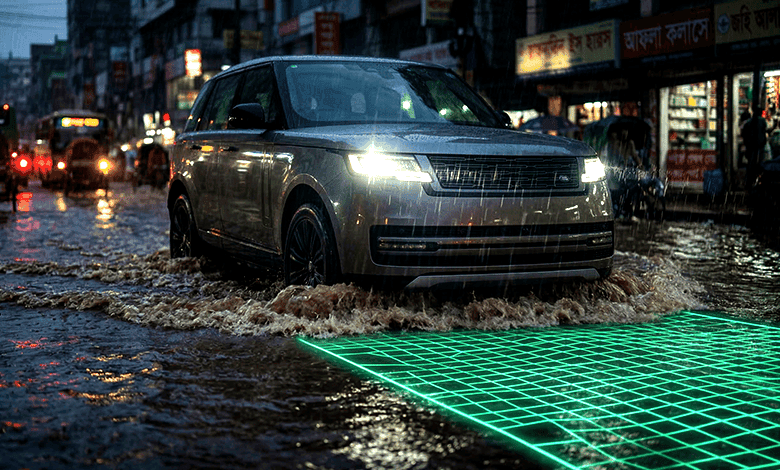
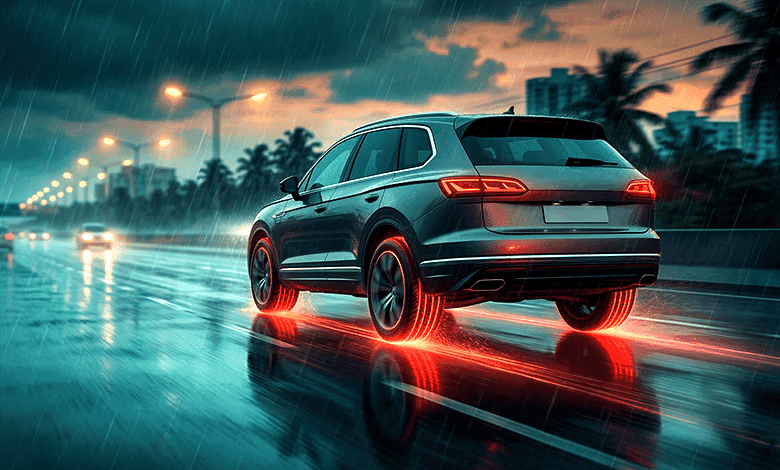
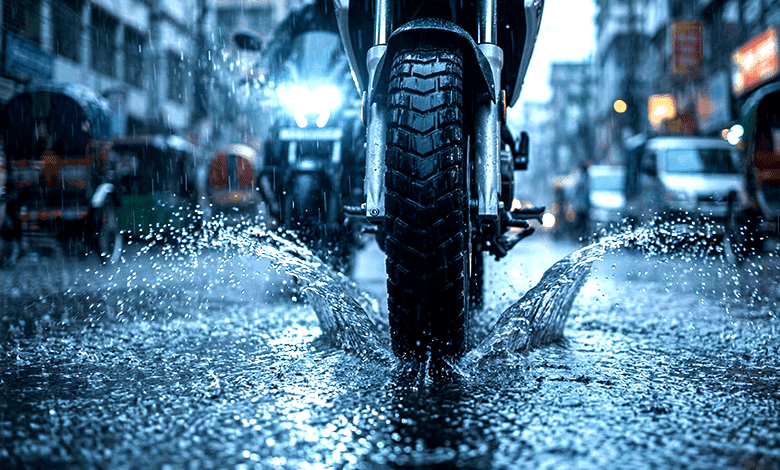
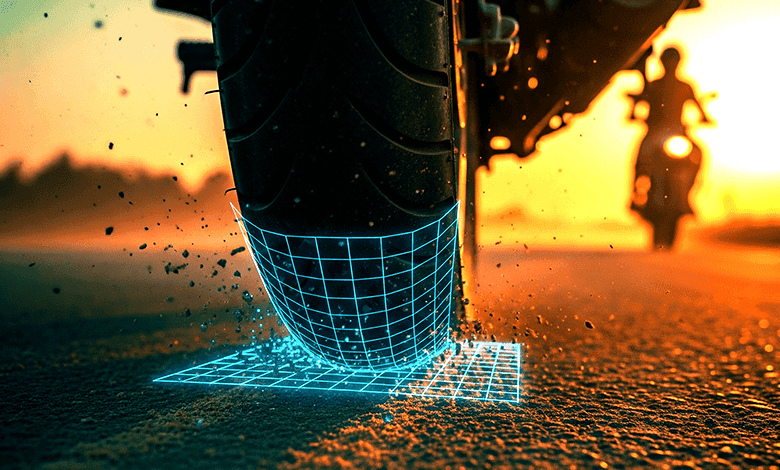
Fog, dust, and rain are prevalent on Bangladesh highways. This causes problems during winter mornings and during the monsoon season. So you don’t get enough visibility and road grip during these times. You can make a mistake of going too fast or end up skidding due to reduced traction. So it's better not to overtake during these times.
Conclusion
Safe overtaking requires more control over confidence. The majority of highway accidents occur not because drivers lack skills, but because of misjudgment and overconfidence. So don’t forget to give yourself a little more time and space before overtaking on highways.
Frequently Asked Questions
1. Why are two-lane highways dangerous for overtaking?
Because traffic moves in opposite directions with little separation between them. This increases the chance of mistakes.
2. Should I avoid overtaking completely?
Avoid overtaking near curves, bridges, intersections, and markets or when visibility is poor.
3. Is nighttime overtaking more risky?
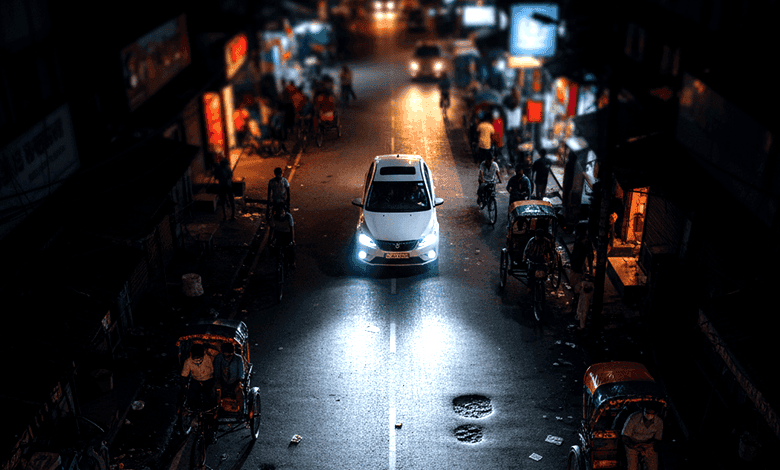
Yes. Due to poor visibility and misuse of high beams, nighttime overtaking is much riskier than daytime overtaking.
4. Which vehicles should I not overtake?
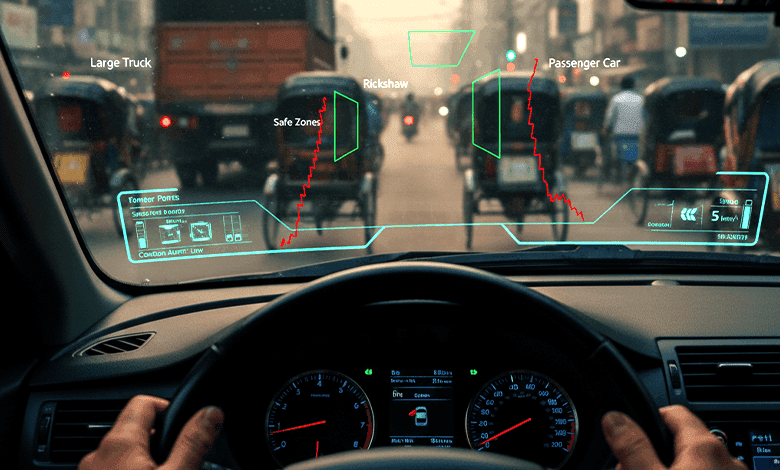
Large vehicles, such as buses and trucks, block visibility and require more space. So only overtake them when the road ahead is very clearly visible.
5. Does the weather affect overtaking safety?
Yes. Fog, dust and rain reduce visibility and grip, increasing the chances of skidding or misjudging oncoming vehicles.