Riding Safety at Night: Tips for Visibility and Avoiding Accidents


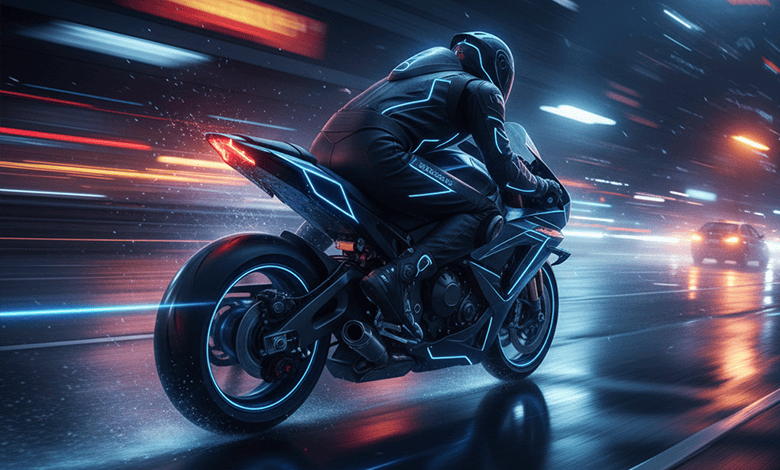
Motorcycle rides at night feel calm. The roads are quieter, traffic is lighter, and the air feels cooler. But being safe at night while riding is also essential. Many riders tend to ignore the precautions they should take when riding at night. You’re not one of them, are you? No worries. In this guide, I’ll tell you everything you need to know about riding safety at night.
Why night riding needs extra care
The biggest enemy of nighttime rides is low visibility. Road damage is hard to notice, and you, too, are hard to see in low light. Headlights are also a headache for nighttime rides. Headlights from oncoming traffic can also temporarily blind you. From my personal experience, all these factors become the most significant contributors to accidents. If you are riding on a familiar road, you should be extra cautious, as we tend to relax on them. So, what can we do to avoid accidents?
Make sure you are clearly visible
First things first, ensure that your headlights and taillights are fully functional. A damaged or weak headlight reduces your ability to spot potholes, animals, or sudden turns. If the headlight is not working correctly, replace it immediately. Tail lights are also crucial to ensure you are clearly visible to traffic behind you. Your tail indicators let the drivers behind you know if you’re going to take any turns.
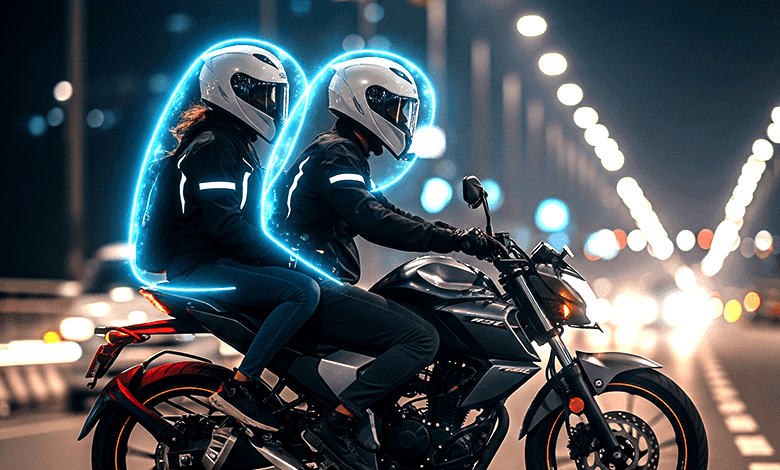
You can go extra as well. For that, you can wear reflective clothing or use reflective stickers on your helmet and bike. It’s a simple hack, but it does its job. And never wear dark jackets and helmets at night. They may be very stylish, but they make us completely disappear at night.
Be mindful of your speed and riding style
Even at high speeds, things feel slower at night. That’s an illusion. Your reaction time is already reduced due to limited visibility, so there is a high probability that you won’t be able to stop the bike on time if anything comes up. Riding a little slower gives you extra seconds to respond. Also, avoid sudden lane changes. Maintain your line and stay at a clear distance from other vehicles. Your sudden movements may confuse other riders.
Watch the road more carefully
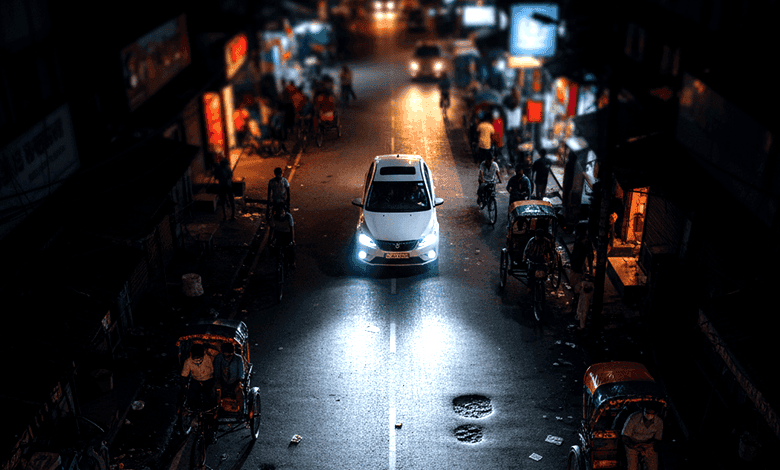
Potholes, broken roads, oil spills, and animals are harder to spot after dark. Keep your focus ahead of your headlight beam. If you see any vehicle stopped ahead, slow down early. A mistake we riders make is assuming the roads are clear just because they're empty at night. Trust me, they’re not.
Take care of your eyes and focus
Let me give you a rule of thumb. Never ride at night if you’re tired. Fatigue seriously affects our focus after sunset. Also, avoid staring directly into the high beams of oncoming traffic. Look slightly to the left to protect your vision.
Conclusion
Night riding is not inherently unsafe. Our careless riding makes it dangerous. Good visibility, controlled speed, and full focus are your best protections during night rides. These small habits can prevent serious accidents. So, ride smart, stay visible, and respect the night.
Frequently Asked Questions
1. Is night riding more dangerous than daytime riding?
Night riding can sometimes be more dangerous due to low visibility and slower reaction times. Proper precautions can reduce the risk.
2. What light is best for night riding?
A bright, properly aligned headlight is essential for night riding. But avoid high beams that blind others.
3. Does reflective gear really help?
Yes. Reflective gear makes you visible from far away, even in low light.
4. Why should I ride slowly at night?
Yes. Slow speed gives you more time to react to unexpected obstacles.
5. Can fatigue cause accidents on night rides?
Absolutely. Tiredness affects focus more after dark, so it's essential to rest before going out for night rides.